Local detail
The Cost of This Job
We can't quote a number here without seeing the door, but we can tell you what drives the bill in this area. Most houses around Santa Cruz went up between 1951 and 1985, with the bulk of that stock built in the 1960s and 70s. A door from that era usually means older extension or torsion spring setups, sometimes with hardware that's been replaced once already by a prior owner and sometimes not touched since the house was built. Jobs on original 1960s-era tracks and drums tend to run longer than jobs on a ten-year-old door, because the mounting brackets and jamb condition aren't always standard sizes anymore, and sometimes a bracket has to be re-fabricated or the jamb built back out before new hardware will sit right. If your opener is original to a 1972-built house, replacing it is usually the better call than nursing it along - parts for openers that old are getting hard to source, and a technician's time hunting down a part is time you're paying for. We'll tell you straight if a repair isn't worth it versus a new unit, rather than stack a bill on a door that's at the end of its life.
The area
What the Weather Here Does to It
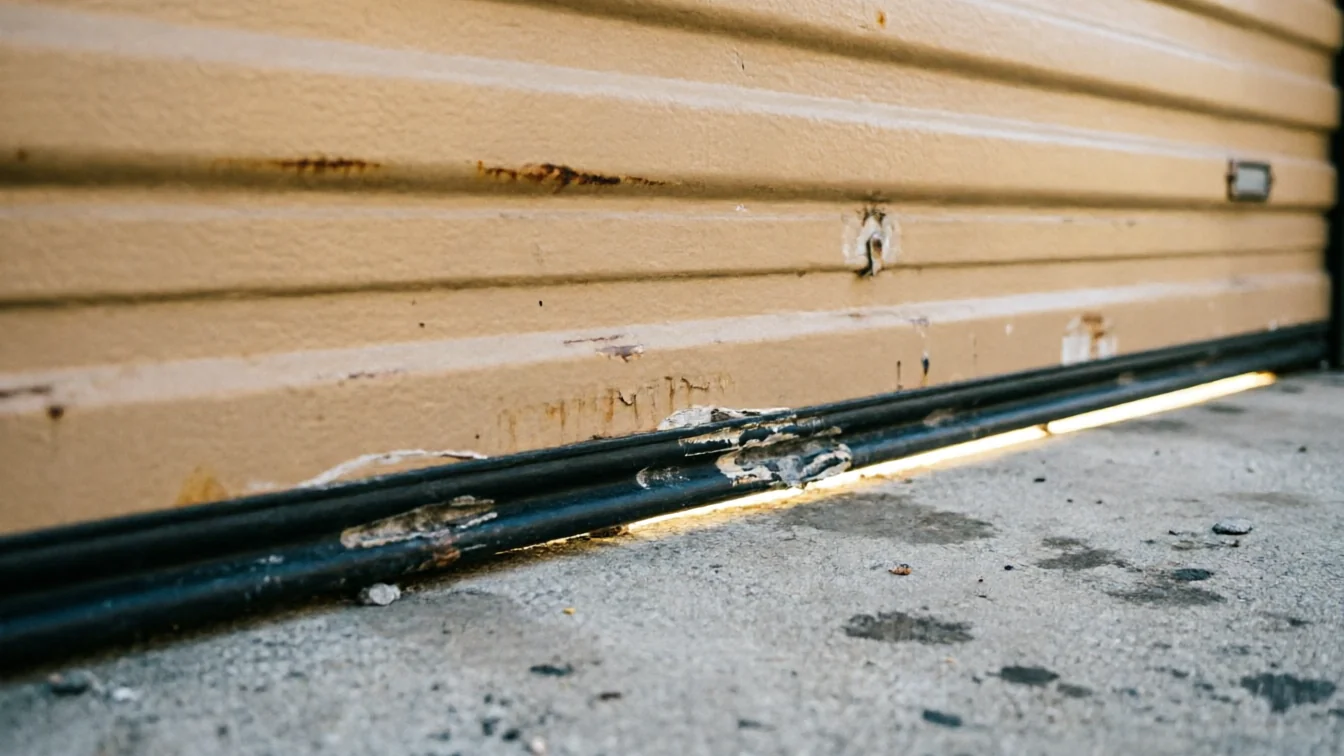
Santa Cruz sits in a mild temperate band, so you're not dealing with the freeze-thaw cycles that crack concrete slabs or seize springs solid the way a harsh winter climate does elsewhere. That's the good news. The steady moisture that comes with mild coastal air works differently - it gets into weather seals and draughts along the bottom panel and the door jamb, softening and cracking the rubber faster than a dry inland climate would. On a door built in the 1960s or 70s, that seal has likely been replaced more than once, and the track alignment behind it can shift slightly as old wood framing moves with seasonal humidity. You won't get the dramatic spring snap from cold the way some regions do, but you will get slow rust creep on exposed hardware and rollers that haven't been lubricated in years, especially on doors facing the prevailing damp air. It's a quieter kind of wear, which is exactly why people miss it until the door won't close square.
What we find
The Problem
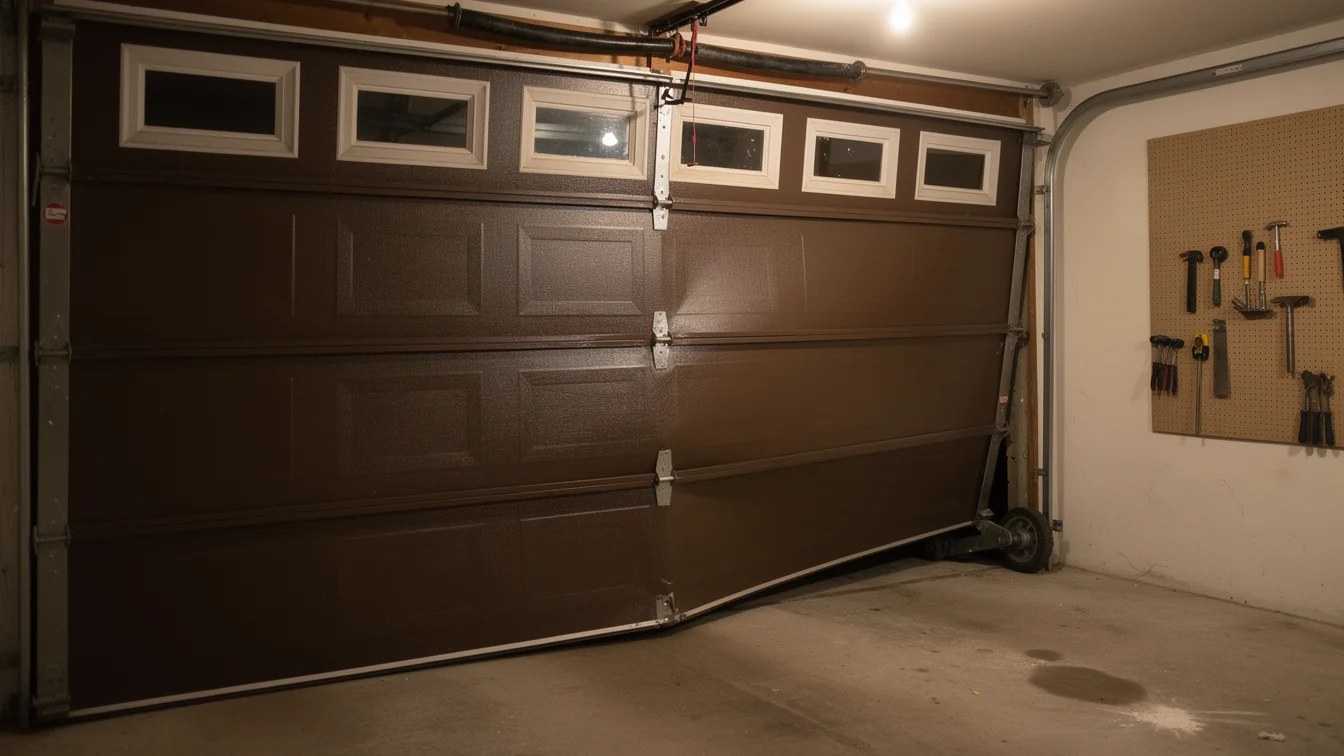
The specific problem in this market is the mismatch between a 1960s-70s door opening and whatever hardware has been bolted onto it since. With 33,212 owner-occupied houses across the service area and most of that stock dating to the 1951-1985 window, a lot of garages have a door that's been swapped at some point but still rides on the original track width or the original header clearance. That mismatch shows up as a door that binds partway up, a roller that jumps the track on one side, or an opener straining against a spring that was sized for a lighter, older door and never re-rated after a heavier replacement went in. It's not dramatic failure - it's a slow grind that homeowners adjust to without realizing the door is working harder than it should. We see this pattern often enough in homes from this era that it's worth checking even if nothing feels obviously wrong yet.
How we work
What to Check
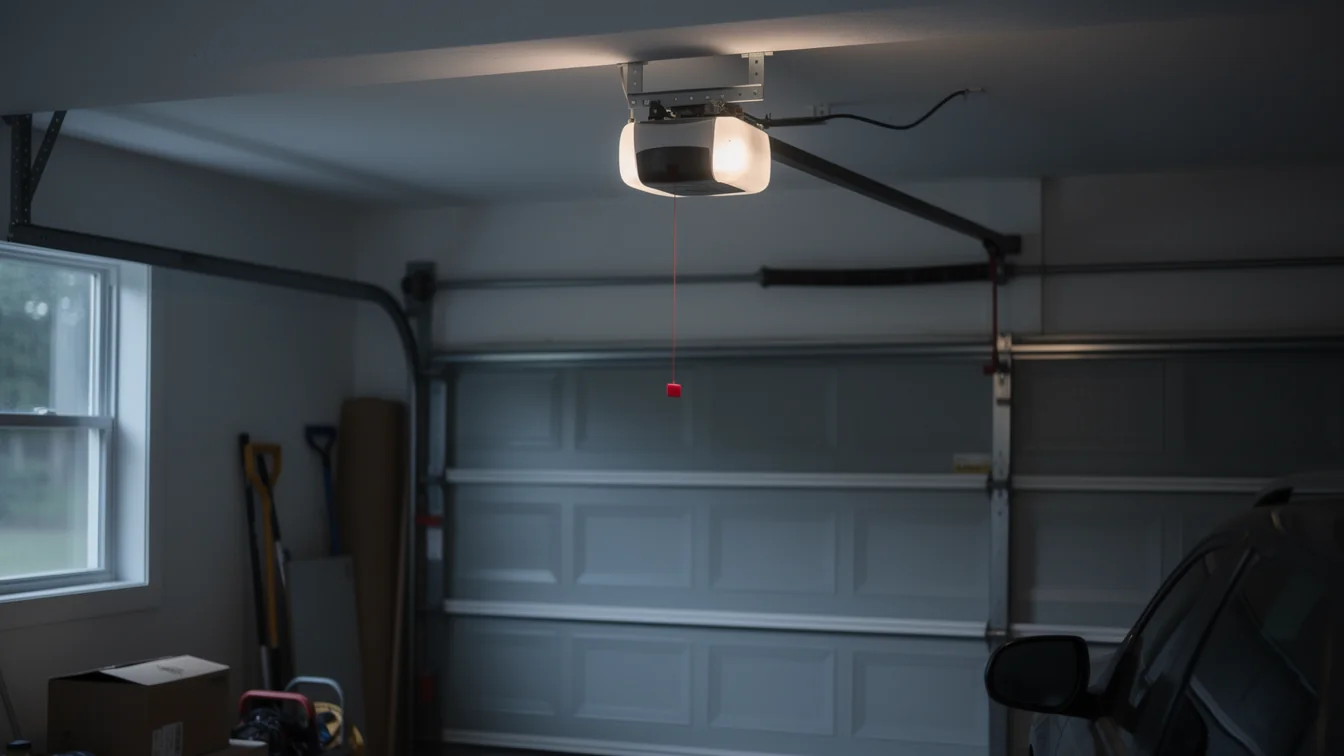
Start with the weather seal at the bottom panel - press a thumb into it, and if it's stiff or cracked rather than slightly pliable, it's past due. Next, look at the track brackets where they bolt into the jamb; on a house from the 1960s or 70s, check for rust bleeding through the paint, which tells you moisture has been sitting there longer than you'd like. Run the door by hand with the opener disconnected and feel for binding partway through the travel - that's the track-width mismatch showing up. Listen for grinding from the rollers; a mild temperate climate won't freeze them, but it also won't dry out the grime that builds up over years. If your opener motor is original to a decades-old house, check whether it has a manual release handle at all - some older units don't, and that's a safety issue worth fixing regardless of what else is going on with the door.
Talk to a local pro
Garage door trouble in Santa Cruz?
Same-day service with honest, upfront quotes.