
Santa Cruz, CA
Garage Door Repair for Santa Cruz's 1960s and 70s Housing Stock
Santa Cruz homes built 1951-1985 still run original spring and track hardware. We fix the specific failures that come with that housing stock, not generic door problems.
Why This Fails Locally
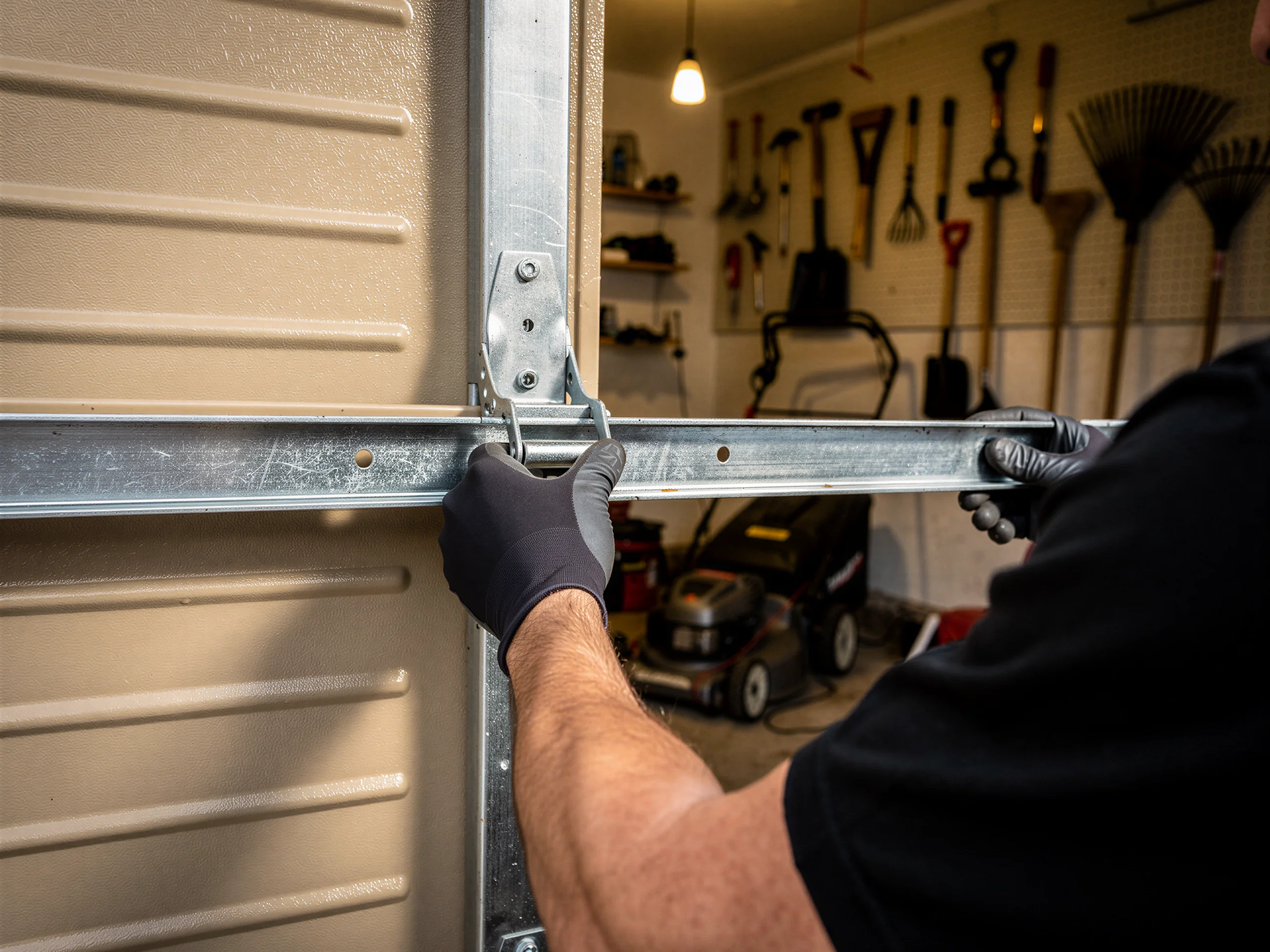
Most of the garage doors we get called out on in Santa Cruz went up between 1951 and 1985, with the bulk of that stock dating to the 1960s and 70s. That matters because the hardware from that era wasn't built for forty-plus years of daily cycling. A lot of these houses still have their original torsion or extension springs, steel tracks bent slightly out of true from decades of use, and center-mounted openers that were never updated when safety-cable standards changed.
Santa Cruz sits in a mild temperate band, so we don't see the freeze-thaw cracking that wrecks doors in colder climates. What we see instead is slow fatigue: springs that have done tens of thousands of open-close cycles without ever failing catastrophically, until one day they do, usually on a door that's been quietly losing lift for months. Rollers glaze over and bind in tracks that were never perfectly plumb to begin with. None of this is dramatic. It's wear, compounding on 1970s-era parts that were already marginal when they were new.
If your door is original to a house built in that window, the fault you're having isn't random. It's the predictable end of a part that's outlived its design life by twenty or thirty years.
The Cost of This Job
We're not going to quote a number here without seeing the door. Spring replacement, track alignment, and opener work carry different parts and labor depending on door weight, spring type, and whether the drum or cable needs replacing too.
Patch versus full fix
What we can tell you is that in a service area where median household income runs $128,163 across roughly 75,000 households, we see a wide range of what people are willing to spend - some want a patch to get through the week, others want the whole system brought up to current hardware.
Custom spring calculation
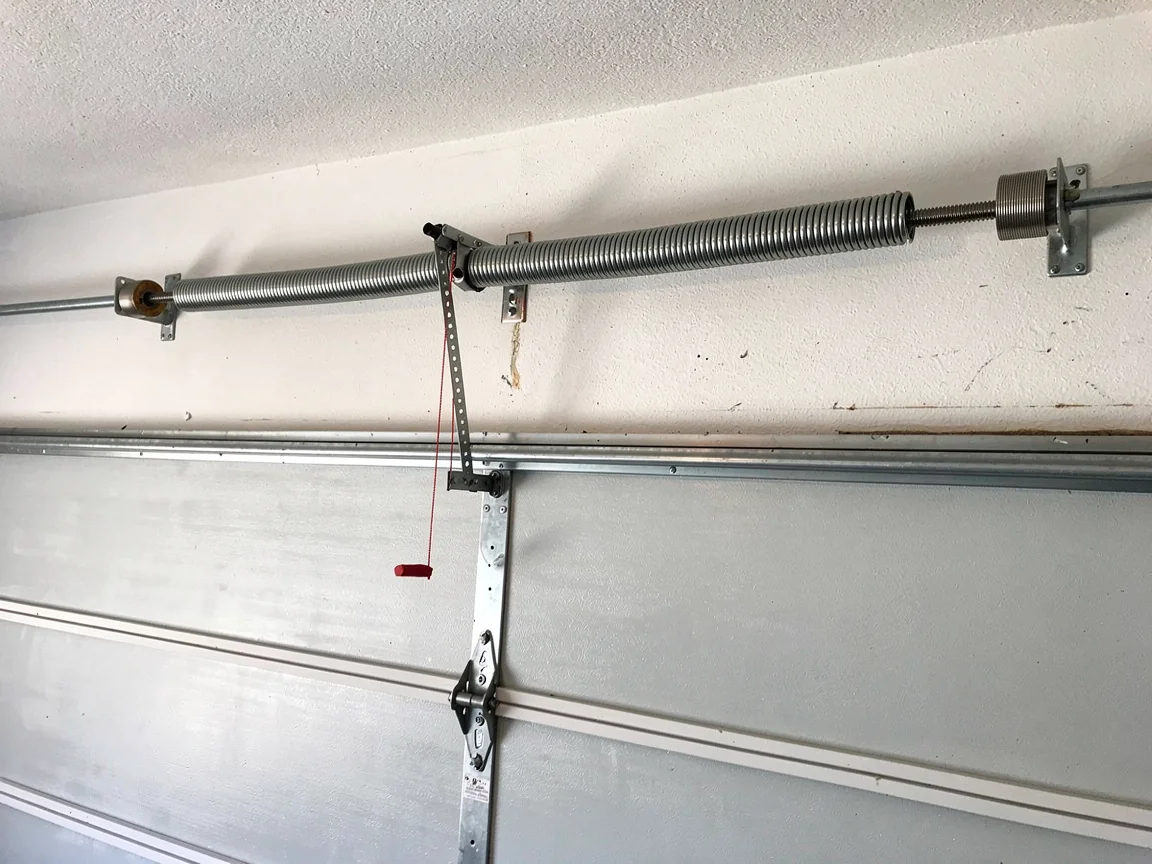
The honest limitation: if your springs are original 1960s or 70s stock, we usually can't find an exact match on the shelf. Spring sizing from that era wasn't standardized the way it is now, so we calculate and order the closest equivalent rather than hunting for a part that may not exist anymore.
Quotes after inspection
That adds a day, sometimes two, to jobs on the oldest doors. We'll give you a real number after we look at the door, the opener, and the track condition in person. Anyone quoting a flat price over the phone for a 1970s door they haven't seen is guessing.
The Symptom
The most common call we get from Santa Cruz is a door that's gotten heavy to lift by hand, or an opener that strains, reverses, or stalls partway up.
Gradual spring tension loss
On a house from the 1960s or 70s stock that makes up most of this area, that's almost always a spring that's lost tension gradually rather than snapped outright - the opener's been doing the spring's job for months before anyone notices.
Oval worn rollers
A second common pattern: a door that shudders or jumps a track section partway through its travel. On older single-piece or early sectional doors common to this housing era, that's usually a roller that's worn oval, or a track bracket that's worked loose from decades of vibration.
Slow failures, late calls
Because Santa Cruz doesn't get the ice and extreme cold that cracks hardware outright, these failures tend to be slow and progressive rather than sudden - which is exactly why so many homeowners wait too long and burn out an opener motor trying to lift a door the spring should be lifting.
Doing It Yourself
Lubricating rollers and hinges, tightening visible bolts, and testing the auto-reverse safety feature are reasonable things to do yourself, and we'd rather you did them than ignored the door entirely.
Torsion springs stay off-limits
Torsion springs are not on that list. A torsion spring under tension holds enough stored energy to break bones or worse, and on original hardware from a 1960s or 70s install, the winding cones and shaft are often corroded or undersized for current standards in ways that aren't obvious until you're mid-job.
Extension spring safety cable
If you've got an extension spring door - common on garages built before sectional torsion systems became standard - check that a safety cable runs through each spring. A lot of houses in the 1951-1985 range never had one retrofitted, and that's a genuine hazard if a spring fails while the door's open.
Track alignment warning
Track alignment is also a call-us job. Bend it wrong trying to fix it yourself and you can throw the whole door off balance, which stresses the opener and the remaining spring even more. Know what you're looking at before you touch the spring side of the system.
Questions
Common questions
Why do so many Santa Cruz garage doors fail the same way?
Because most houses in the area were built between 1951 and 1985, with the heaviest concentration in the 1960s and 70s, a lot of original spring and track hardware is still in service decades past its intended life. The failures we see are the predictable wear patterns of that specific era of hardware, not random breakdowns.
Does Santa Cruz's climate affect garage door springs?
Santa Cruz sits in a mild temperate band, so we don't see the hard freeze-thaw cycling that snaps hardware in colder regions. Failures here tend to be gradual fatigue from repeated daily use rather than sudden cold-weather cracking, which is why doors often lose lift slowly instead of failing all at once.
Can I replace a 1970s torsion spring myself?
We don't recommend it. Spring sizing from that era wasn't standardized, the winding hardware is often corroded after decades of service, and a torsion spring under tension can cause serious injury. We calculate the closest current equivalent and install it properly rather than guessing at a part.
How much will my repair cost?
It depends on door weight, spring type, and whether track or cable needs work too, so we won't quote a number sight unseen. We give a firm price after inspecting the door in person, which matters most on older houses where original hardware doesn't always match today's standard parts.
Explore more
Explore More Services In Santa Cruz, CA
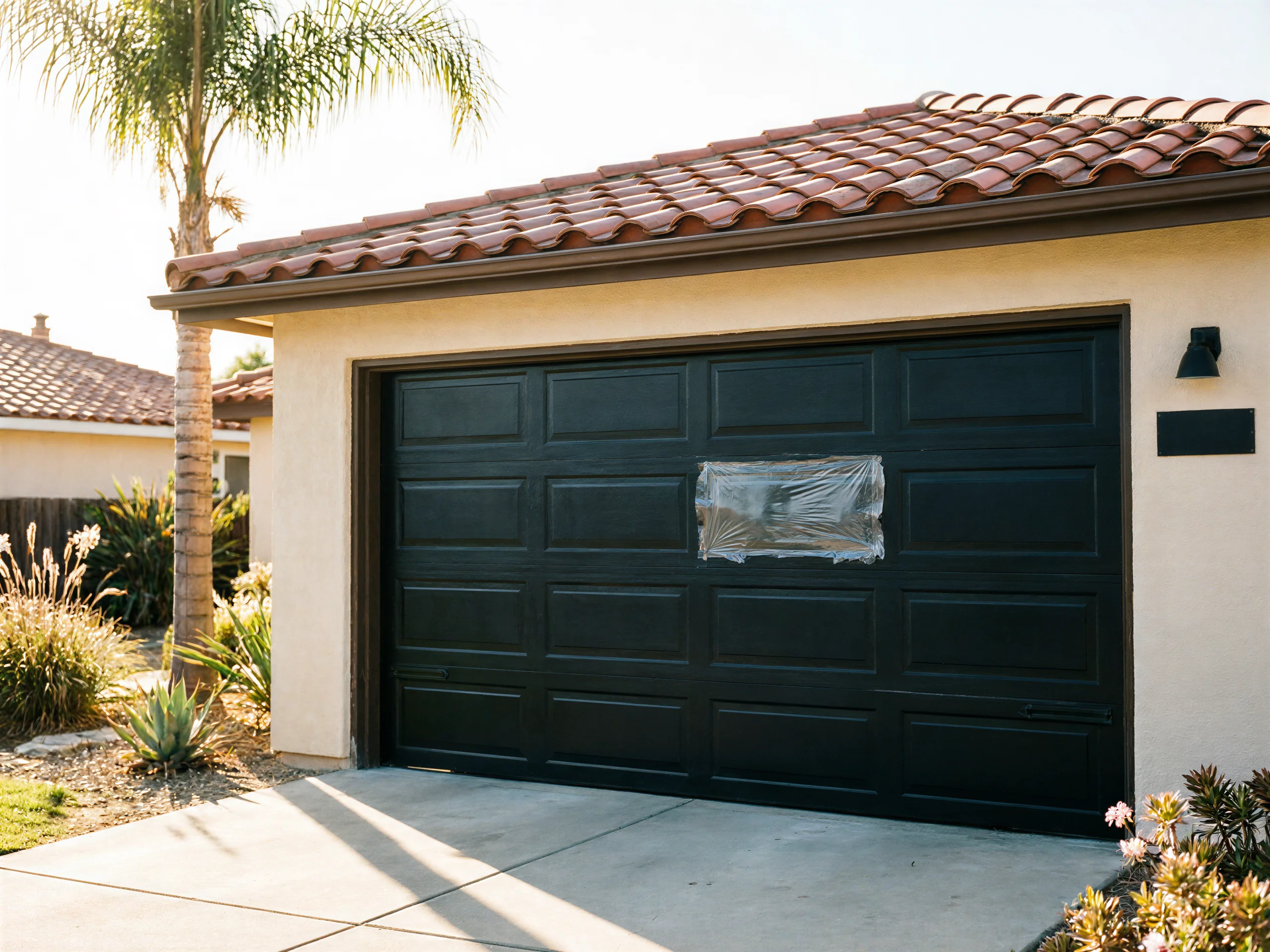
Garage Door Installation Built for Santa Cruz Homes
Garage door installation sized for Santa Cruz's 1960s-70s housing stock and mild coastal climate. Learn more →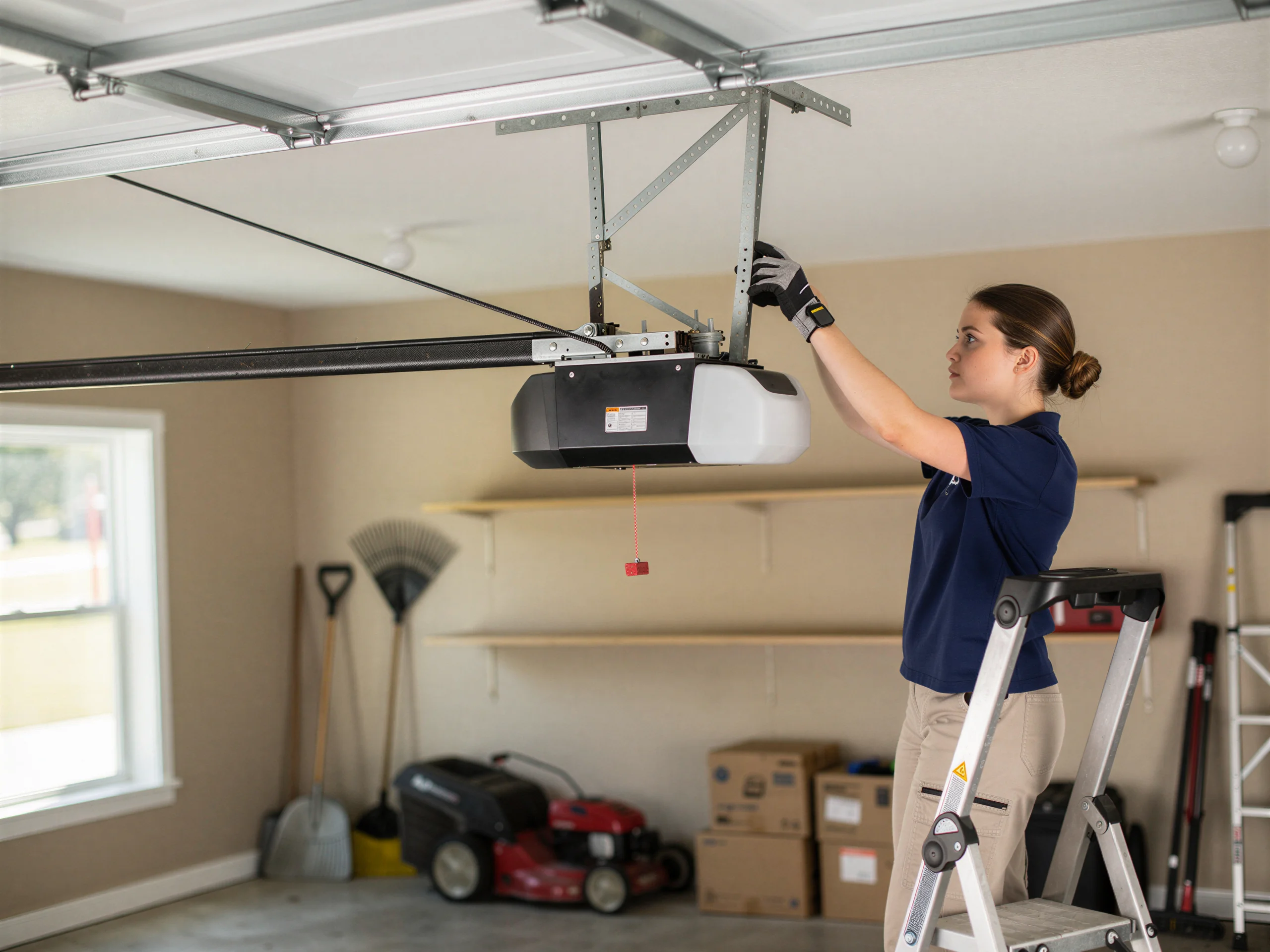
Garage Door Opener Repair, Santa Cruz
Garage door opener repair for Santa Cruz homes built 1951-1985 with aging chain-drive units, corroded boards, and worn gears. Learn more →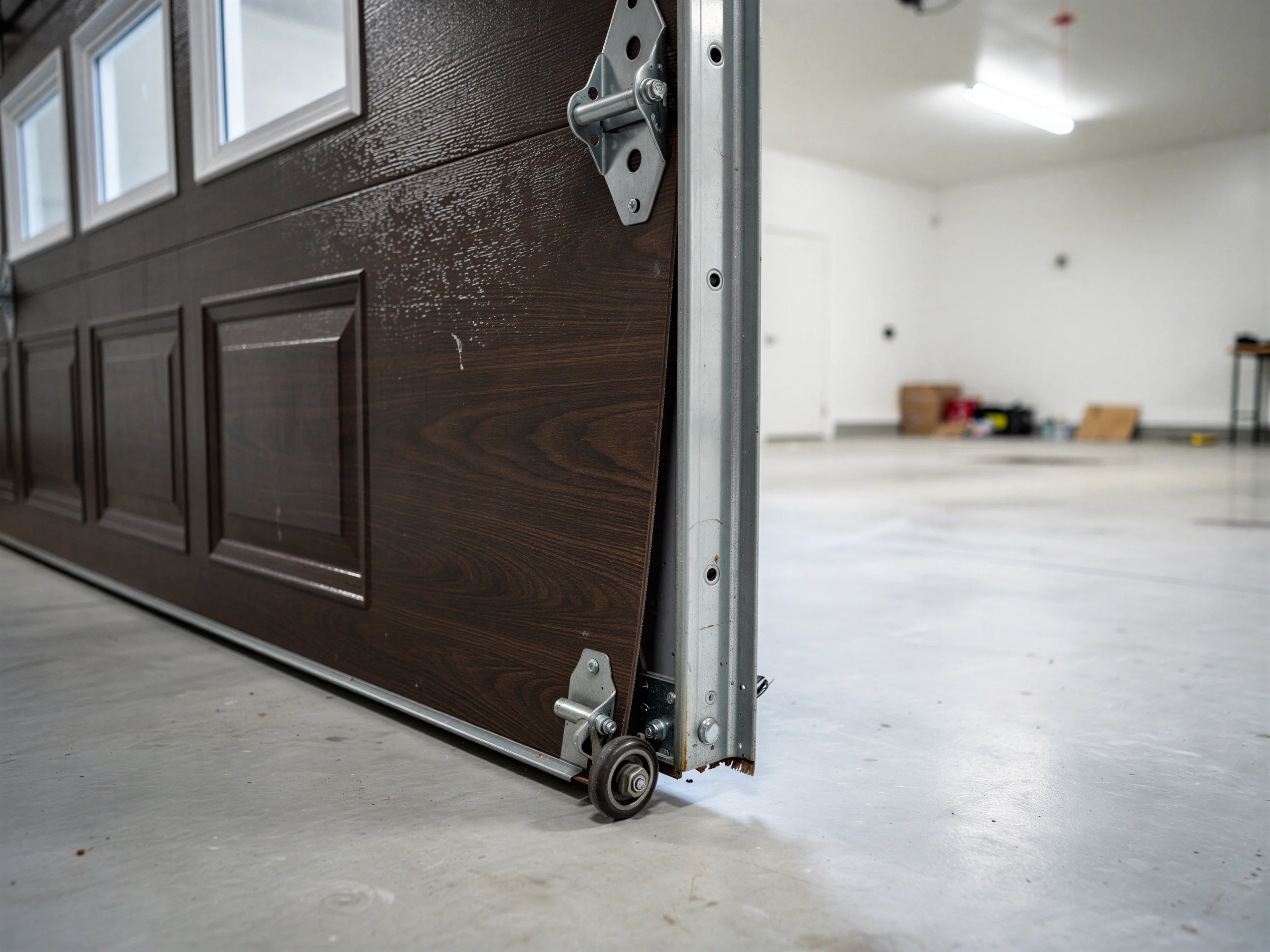
Garage Door Off Track: Why It Happens So Much Around Santa Cruz
Why garage doors come off track so often in Santa Cruz's 1960s-70s housing stock, what it costs to fix, and when to call instead of forcing it back yourself. Learn more →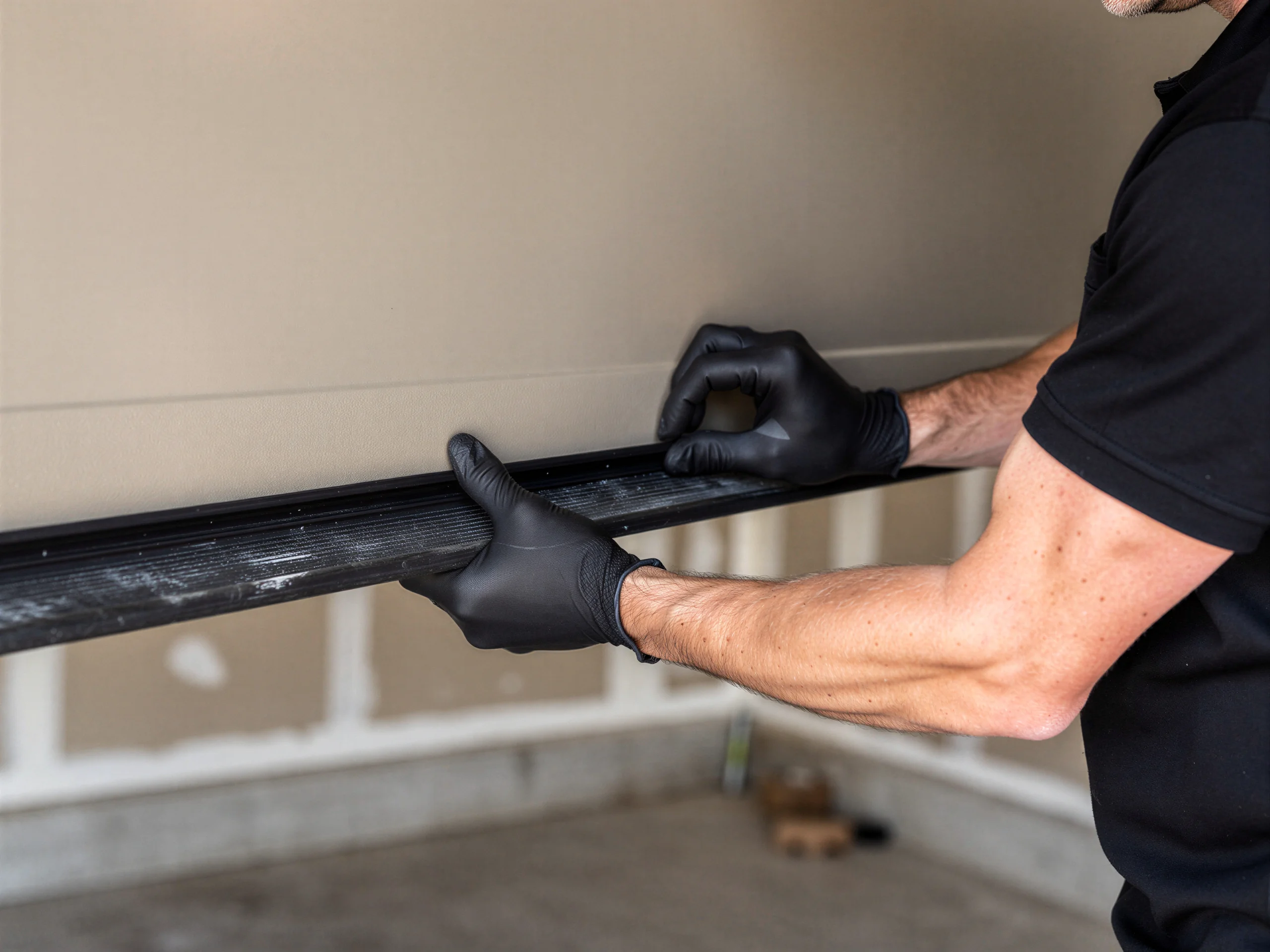
Garage Door Service for Santa Cruz's Older Housing Stock
Santa Cruz garage door service built around the city's 1951-1985 housing stock. Learn more →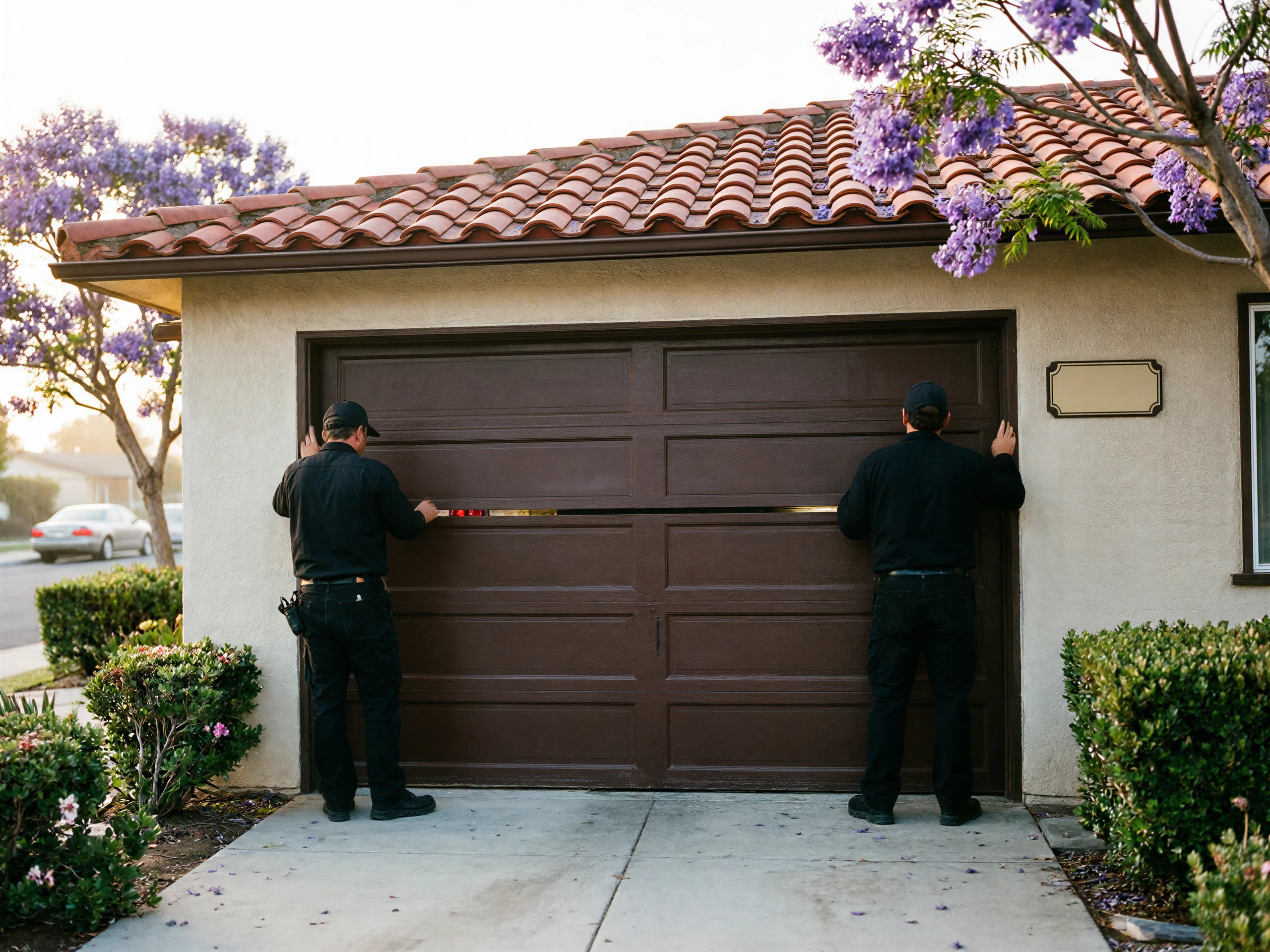
Garage Door Panel Replacement for Santa Cruz Homes
Dented or cracked garage door panels are common on Santa Cruz's 1960s-70s housing stock. Learn more →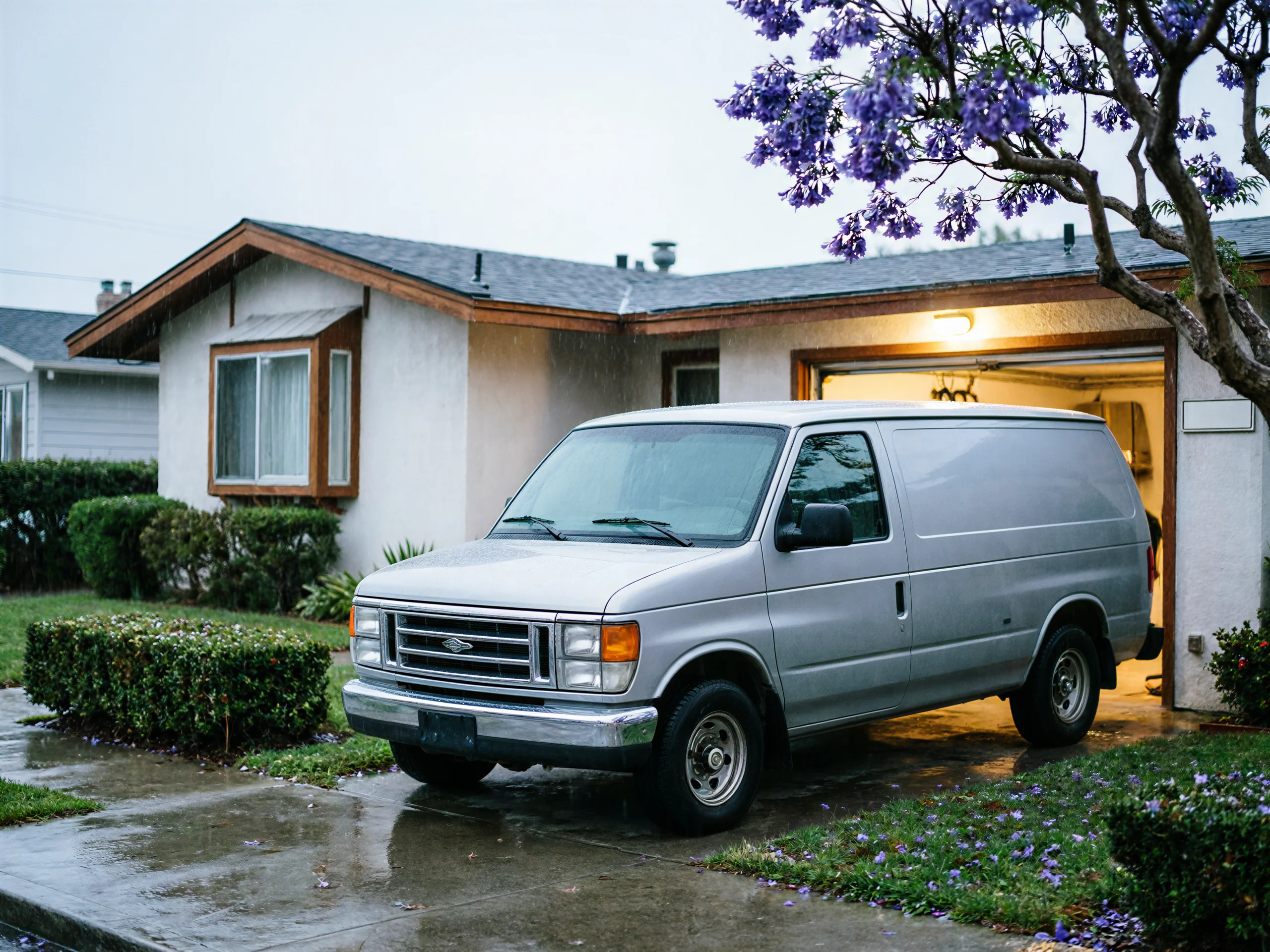
Emergency Garage Door Repair for Santa Cruz Homes
Broken spring or jammed track on a Santa Cruz house built between 1951 and 1985. Learn more →Ready when you are
Need a garage door sorted in Santa Cruz?
Santa Cruz Garage Door Pros repairs and installs garage doors, springs and openers in Santa Cruz, CA and the surrounding area.