Local detail
The Cost of This Job
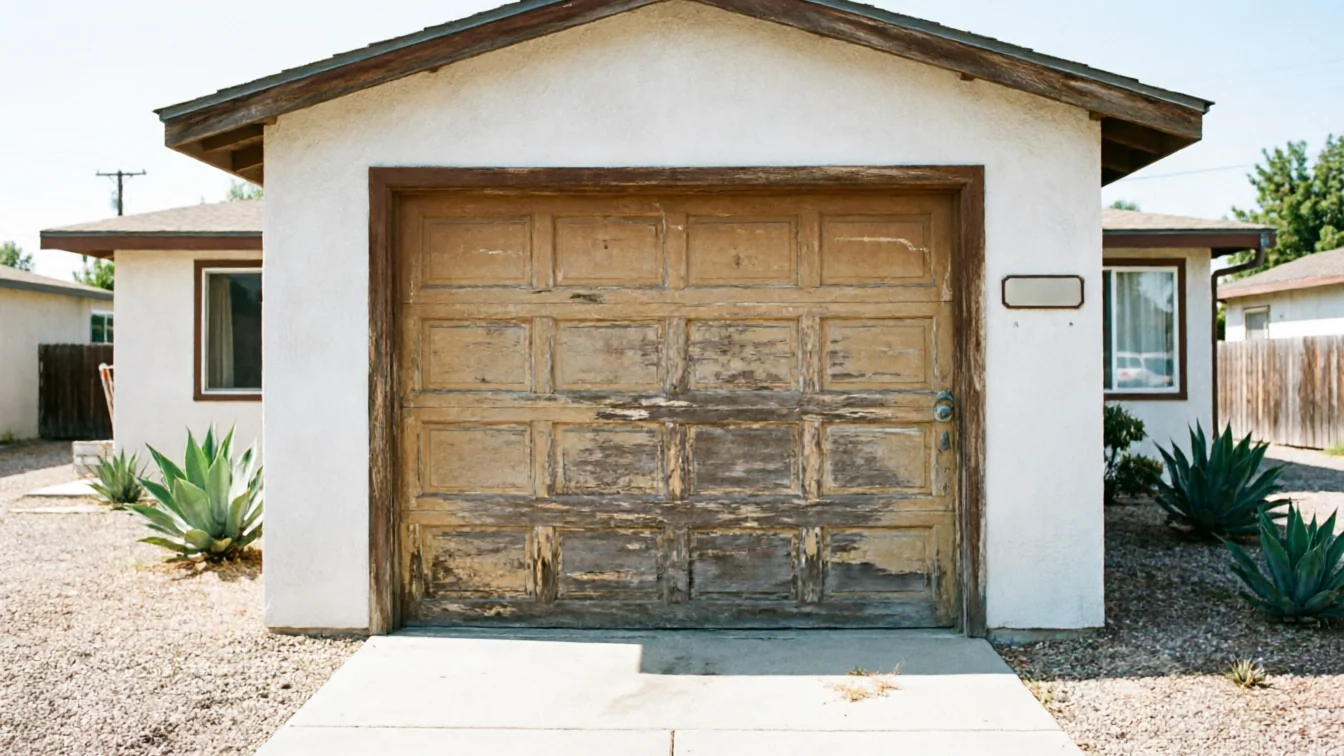
What a job costs here comes down mostly to what's on the door, and in this part of the county that's usually original hardware. Most houses went up between 1951 and 1985, with the heaviest concentration in the 1960s and 70s, and a lot of those doors are still running the torsion spring and track setup they came with. A broken spring on one of those older double doors costs more to fix than on a newer door, because the parts aren't the same size as what's stocked for current builds - sometimes a tech has to special-order the right shaft size or drum. On a newer door, a spring swap is usually a same-visit job with stock parts. We don't quote a flat number here because the spread between a basic spring job and a full torsion conversion on an old door is wide, and guessing at a price before we see the door does nobody any favors. If your opener and springs are both original to a house built in that 1951-1985 window, budget for the older-hardware version of the job, not the newer one your neighbor with a 2005 build got quoted.
The area
What the Weather Here Does to It
Santa Cruz sits in a mild temperate band, and that changes what actually goes wrong with a door compared to places with real winters. You're not getting the hard freeze-thaw cycle that cracks seals and snaps cold-stiffened springs overnight. What you get instead is slower, steadier wear - moisture working on cable and hardware that's been in place since a 1960s or 70s build, year after mild year, without the kind of sudden failure a hard freeze would cause elsewhere. That means a lot of the springs and rollers out here aren't failing with a bang; they're failing gradually, and owners often don't notice until the door is noticeably harder to lift or starts dropping unevenly. It also means rust and corrosion on older galvanized hardware show up before outright mechanical snap, especially on doors that have never been serviced since the house was built. We don't see the emergency cold-weather spring calls that garages in harsher climates get. What we see more of is a door that's been quietly losing lift assist for years on original-era hardware, which is a different kind of problem to catch early.
What we find
The Problem
The core issue across a lot of this area is age, not damage. With housing built mostly between 1951 and 1985 and median construction around 1972, a large share of doors in the 25 named areas around here are still running original torsion hardware that was never upgraded. That hardware wasn't built for decades of mild, steady coastal wear without service, and a lot of it hasn't been touched since installation. The result is springs that have lost tension gradually, rollers that are worn but not yet seized, and openers that are straining to lift doors they were never adjusted for after springs weakened. None of that shows up as a dramatic failure right away - it shows up as a door that takes longer to close, an opener that strains audibly, or a door that's slightly crooked when it comes down. Across 33,212 owner-occupied houses in the service area, this pattern of aging original hardware rather than acute damage is the more common call we get, especially on houses that have had one owner since the build.
How we work
What to Check
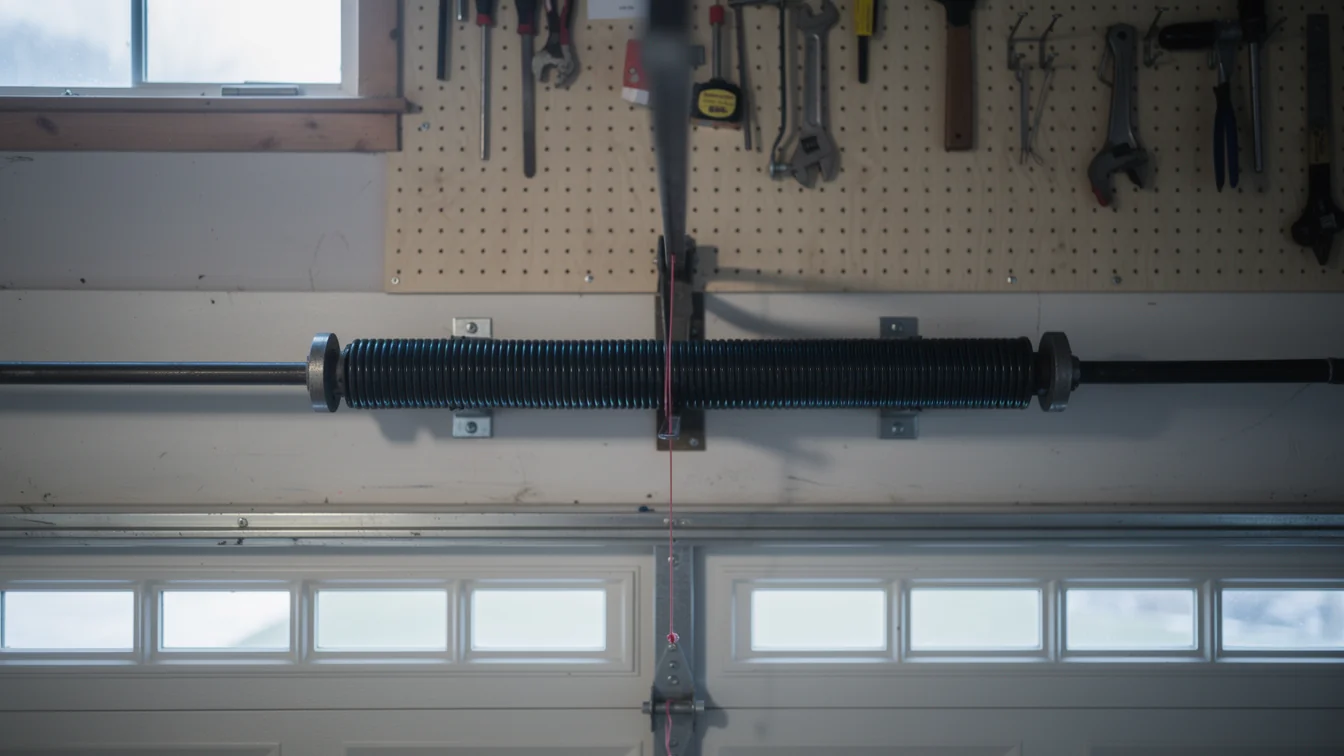
Start by looking at the springs themselves - on a door from the 1951-1985 era, that's usually a single torsion spring above the door, and you want to check for visible gaps in the coil or rust pitting along the length. Next, pull the release handle with the door down and lift the door by hand; if it feels heavy or drops instead of staying put, the spring has lost tension, which is common on hardware that's been in place since the original build and never serviced. Check the rollers for flat spots or cracking, especially on the original steel rollers many of these doors still have instead of nylon. Listen to the opener under load - straining or grinding usually means it's fighting weak springs, not a motor problem. With a median household income of $128,163 across the service area, replacing an aging opener outright is often the choice owners make rather than patching one that's compensating for decades-old spring hardware. If the door is original to a 1960s or 70s build and hasn't been serviced, assume the springs are the first thing worth a real look.
Talk to a local pro
Garage door trouble in Santa Cruz?
Same-day service with honest, upfront quotes.