
Santa Cruz, CA
Garage Door Off Track: Why It Happens So Much Around Santa Cruz
Why garage doors come off track so often in Santa Cruz's 1960s-70s housing stock, what it costs to fix, and when to call instead of forcing it back yourself.
Why This Fails Locally
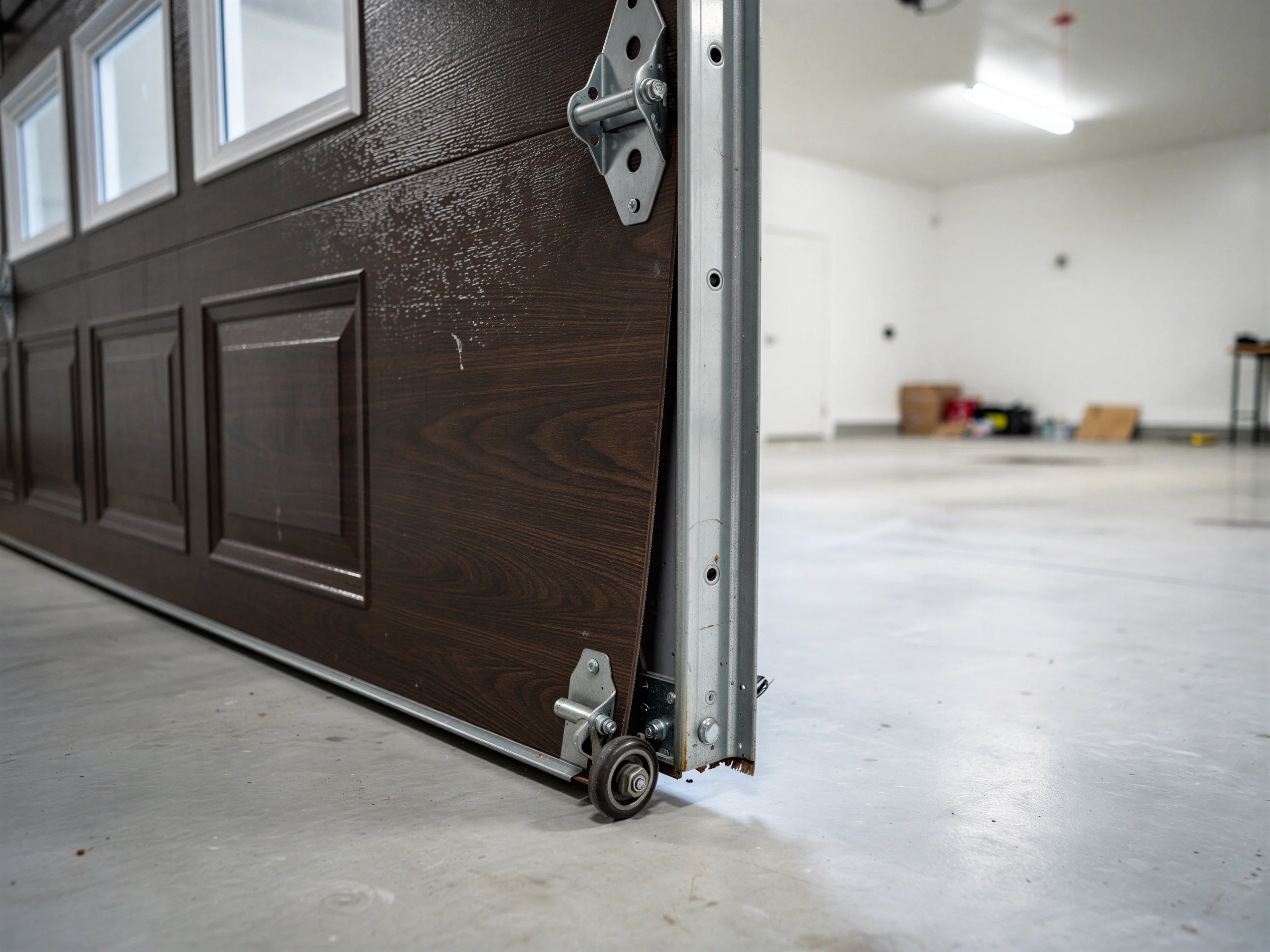
Most houses across our service area were built between 1951 and 1985, with the typical home dating to 1972. That's a long run of years for a garage door track to stay bolted to the same jamb studs. Wood framing shifts, foundations settle a little, and the lag screws holding the track brackets back out a thread at a time. Nobody notices until the day the door jumps the roller on one side and binds.
Across the 25 neighborhoods we cover, from Twin Lakes out to Opal Cliffs, the housing stock runs mostly 1960s and 70s construction. That generation of garage door hardware used lighter-gauge track brackets than what goes in today, and after five decades of daily cycling, those brackets are the first thing to give.
The mild temperate climate here actually works against the obvious assumption. In wetter, colder parts of the country, track failure is often a rust problem - the metal pits, flakes, and the rollers bind. That's not what we see here. Santa Cruz's climate keeps the steel itself in decent shape, so when a door comes off track in this area it's almost always a mechanical or alignment problem: a bent track, a loose bracket, a roller that's worn oval, or a cable that jumped the drum. Treat it like a rust problem and you'll miss the actual fix.
The Cost of This Job
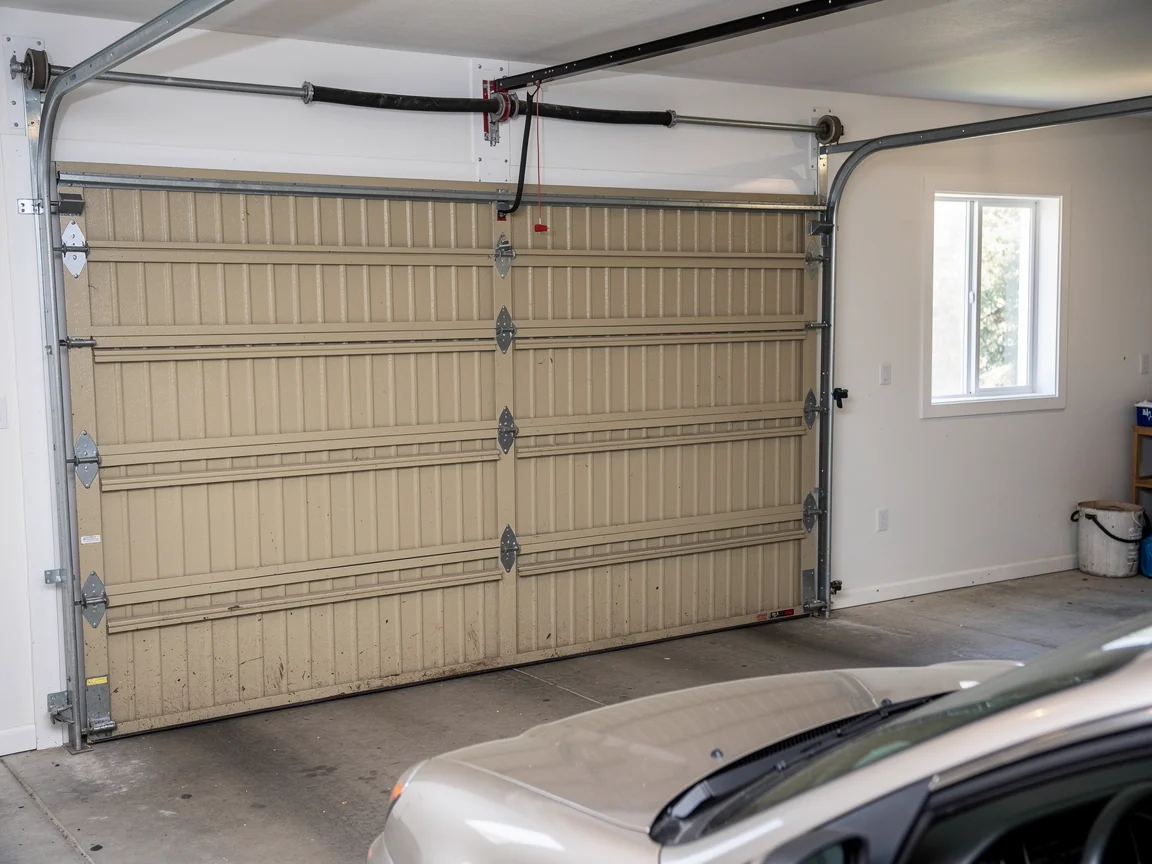
We don't have a flat number to quote you here, because off-track jobs vary more than almost any other garage door call - it depends on whether the track is just bent, whether a bracket pulled loose from the framing, or whether a roller shattered and took the track with it on the way down.
Re-hang versus track swap
A straightforward re-hang with a bracket re-set is a different job than replacing a section of bent track on both sides. What we can tell you is how owners around here tend to decide.
Replace after repeat derailments
With a median household income of $128,163 across the area, most people we talk to choose to replace worn track and rollers outright once a door's come off more than once, rather than keep shimming the same bracket back into place every year or two.
Whole assembly past life
A repeat off-track door on 1960s or 70s hardware is usually a sign the whole roller-and-track assembly is past its service life, not a one-time fluke. We'll always tell you straight whether you're looking at a quick fix or a full track replacement before we start, and if it's the kind of job where parts are back-ordered, we'll say so rather than leave you guessing.
The Symptom
An off-track door doesn't always look dramatic. Sometimes it's obvious - the door hangs crooked in the opening, one bottom corner lower than the other, and it won't move at all.
Grinding and popped rollers
Other times it's subtler: the door runs rough, grinds partway up, or one roller has popped out of the track channel while the rest of the door still looks like it's working. Listen for a scraping or grinding sound right before it sticks - that's usually the roller riding the edge of the track instead of inside it.
Racking on one side
A door that suddenly feels heavier on one side, or that visibly racks (one side higher than the other as it travels), is telling you a cable or roller has already left its track, even if the door hasn't fully jumped yet.
Don't force it by hand
If the door is still partway open when it comes off track, don't force it down or up by hand. The track and the cables are under spring tension, and an off-track door under load is one of the more common ways people get hurt trying to fix it themselves.
Doing It Yourself
If the door is down and off track with no tension on it, you can sometimes get a roller back into the channel yourself with a pry bar and some patience - loosen the track bracket, guide the roller back in, re-tighten.
Stop cranking the opener
That's about the limit of what's reasonable to try solo. What you shouldn't do is open the door partway, see it's off track, and keep cranking the opener to try to force it back into line. That's how a track bends further, or how a cable that's already slipped comes off the drum entirely.
Heavy doors need pros
If the door is heavy, if it's a double door, or if you can see the torsion spring at all, step back and call it in - the spring is under enough force to cause a serious injury, and it's not a DIY repair.
Bent track replacement
One honest limit on our end: if the track itself is bent rather than just knocked loose, bending it back rarely holds for long. On original 1960s and 70s track, we'll usually recommend replacing that section rather than reshaping it, because reshaped track tends to repeat the same failure within a year.
Questions
Common questions
Why does my garage door keep coming off track in Santa Cruz?
Most homes in our area date to the 1960s and 70s, and the original track brackets were lighter-gauge than what's used today. Fifty-plus years of cycling loosens those brackets or lets a roller wear oval, and that's what lets the door jump track. It's rarely about rust here given the mild climate - it's wear and loosened hardware.
Can I push a door back onto its track myself?
If the door is fully down with no spring tension on it, sometimes yes - with a pry bar and care. If the door is partway open, or it's a heavier double door, don't force it. The cables and torsion spring are under load, and that's a common way people get hurt trying to fix it on their own.
Is a bent track worth fixing or should it be replaced?
We don't have a flat answer that applies to every job - it depends on how bent it is and where. On original track from the 1960s or 70s, we usually recommend replacing the damaged section rather than bending it back, since reshaped track tends to fail again within a year.
Explore more
Explore More Services In Santa Cruz, CA
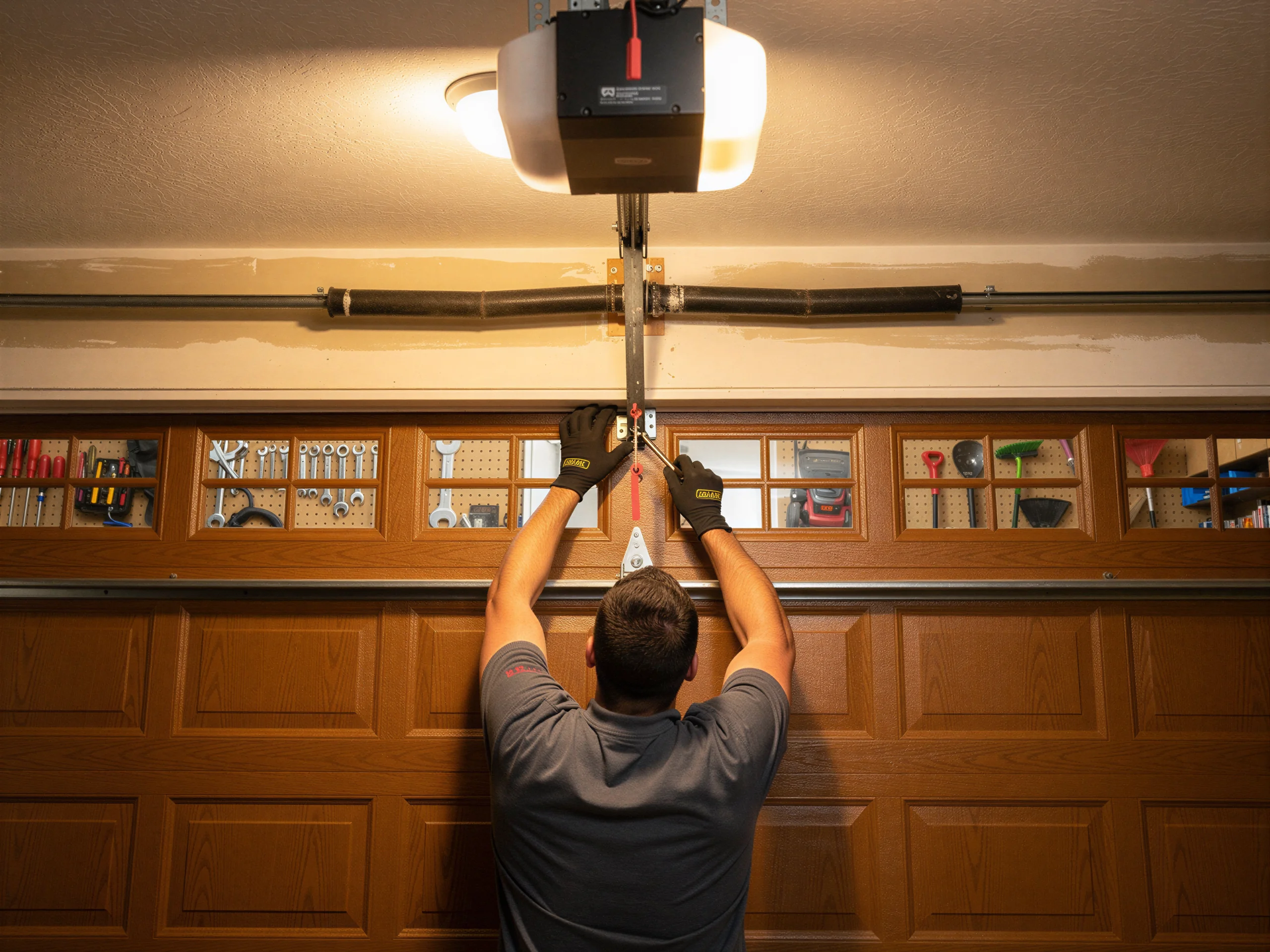
Opener Installation for Santa Cruz Homes
Most Santa Cruz garages still run openers original to homes built 1951-1985. Learn more →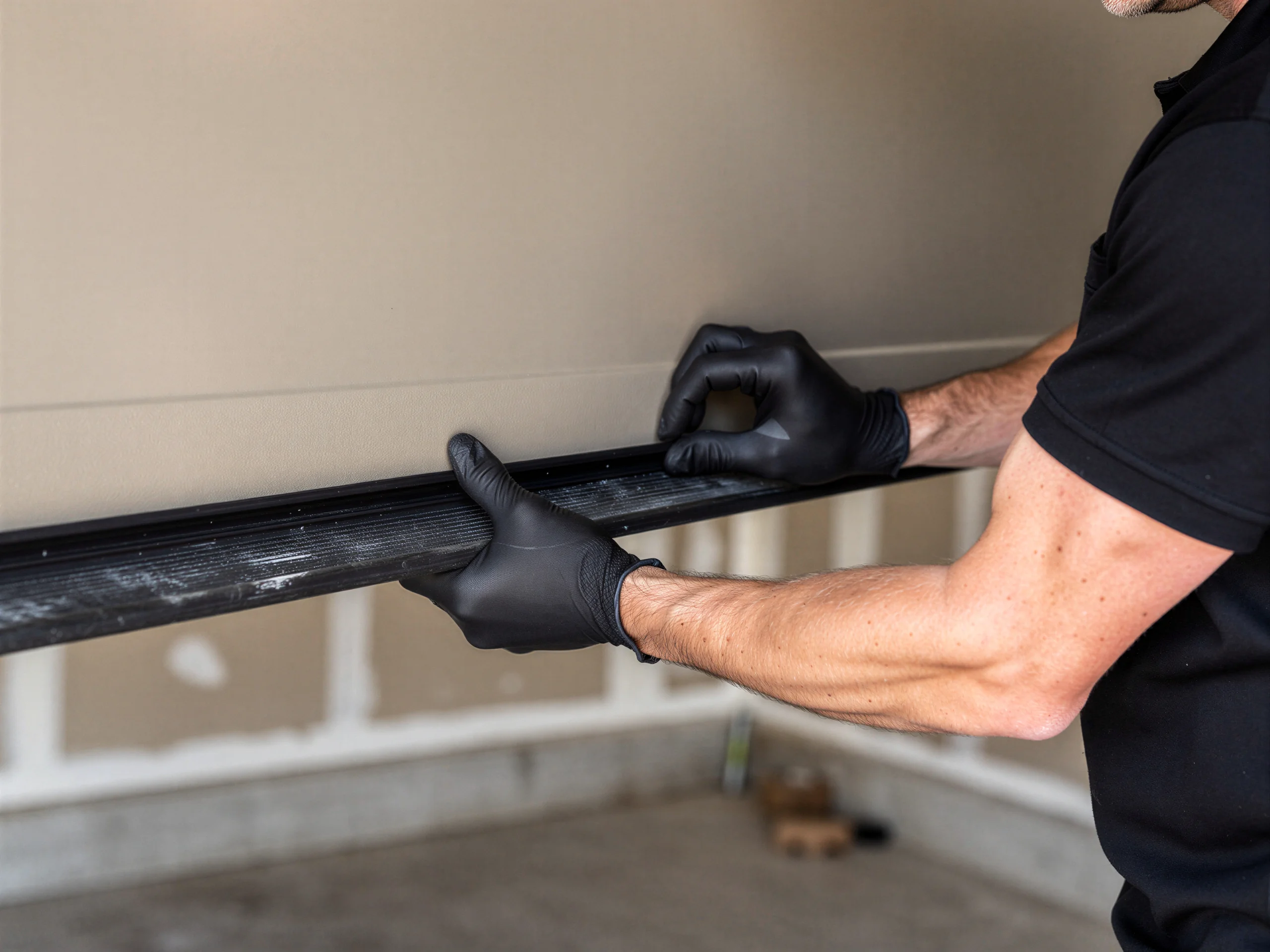
Garage Door Service for Santa Cruz's Older Housing Stock
Santa Cruz garage door service built around the city's 1951-1985 housing stock. Learn more →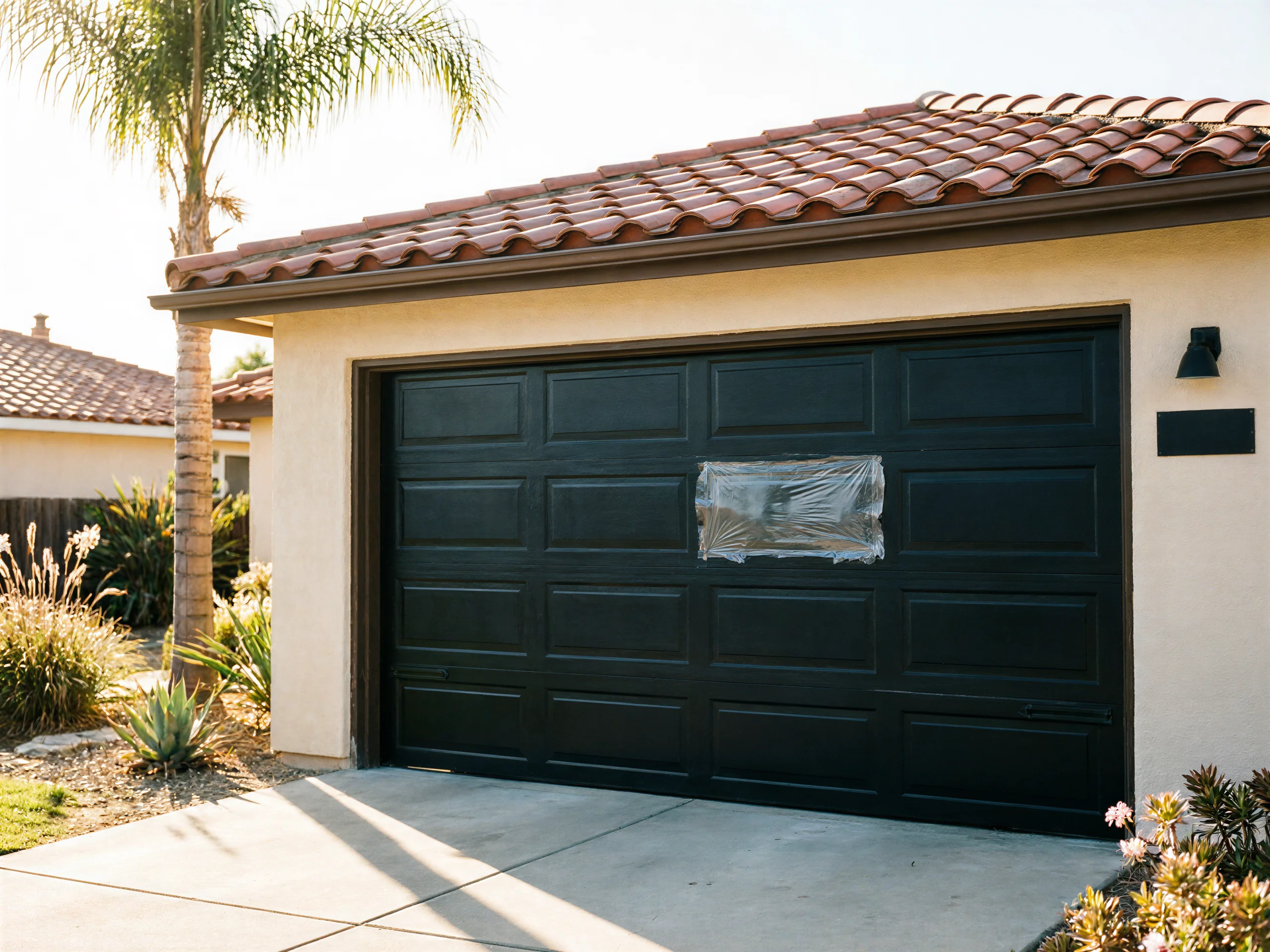
Garage Door Installation Built for Santa Cruz Homes
Garage door installation sized for Santa Cruz's 1960s-70s housing stock and mild coastal climate. Learn more →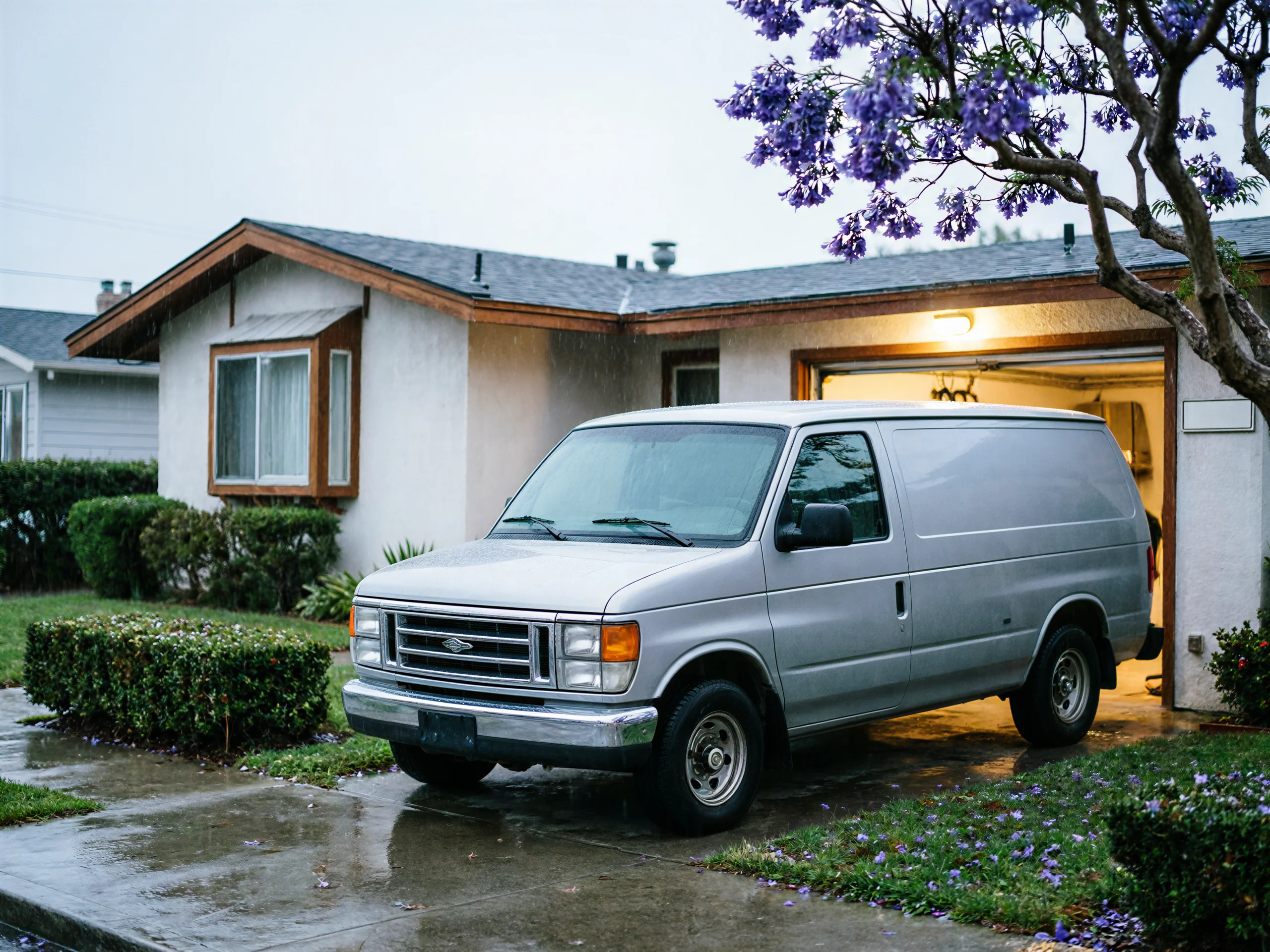
Emergency Garage Door Repair for Santa Cruz Homes
Broken spring or jammed track on a Santa Cruz house built between 1951 and 1985. Learn more →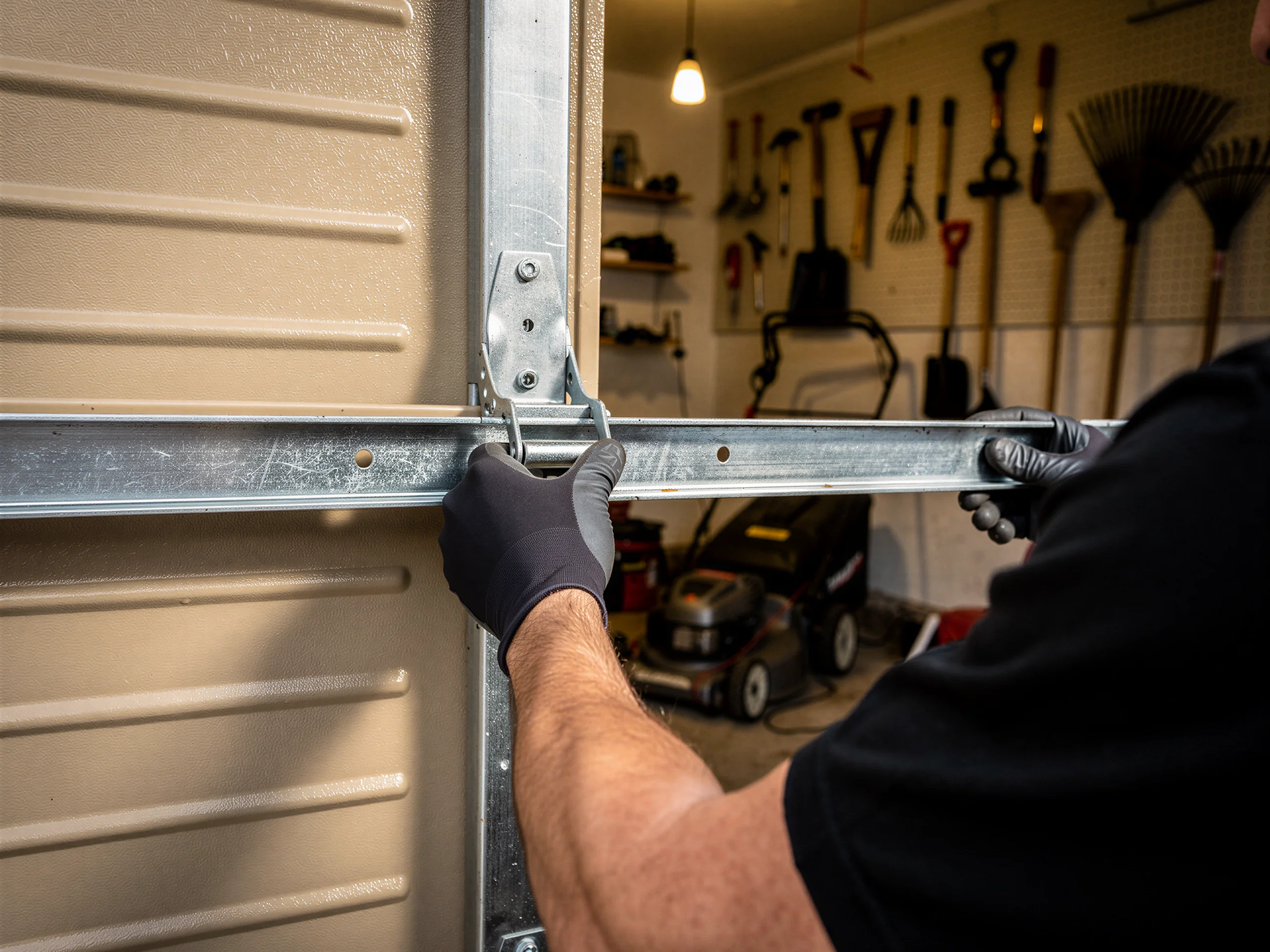
Garage Door Repair for Santa Cruz's 1960s and 70s Housing Stock
Santa Cruz homes built 1951-1985 still run original spring and track hardware. Learn more →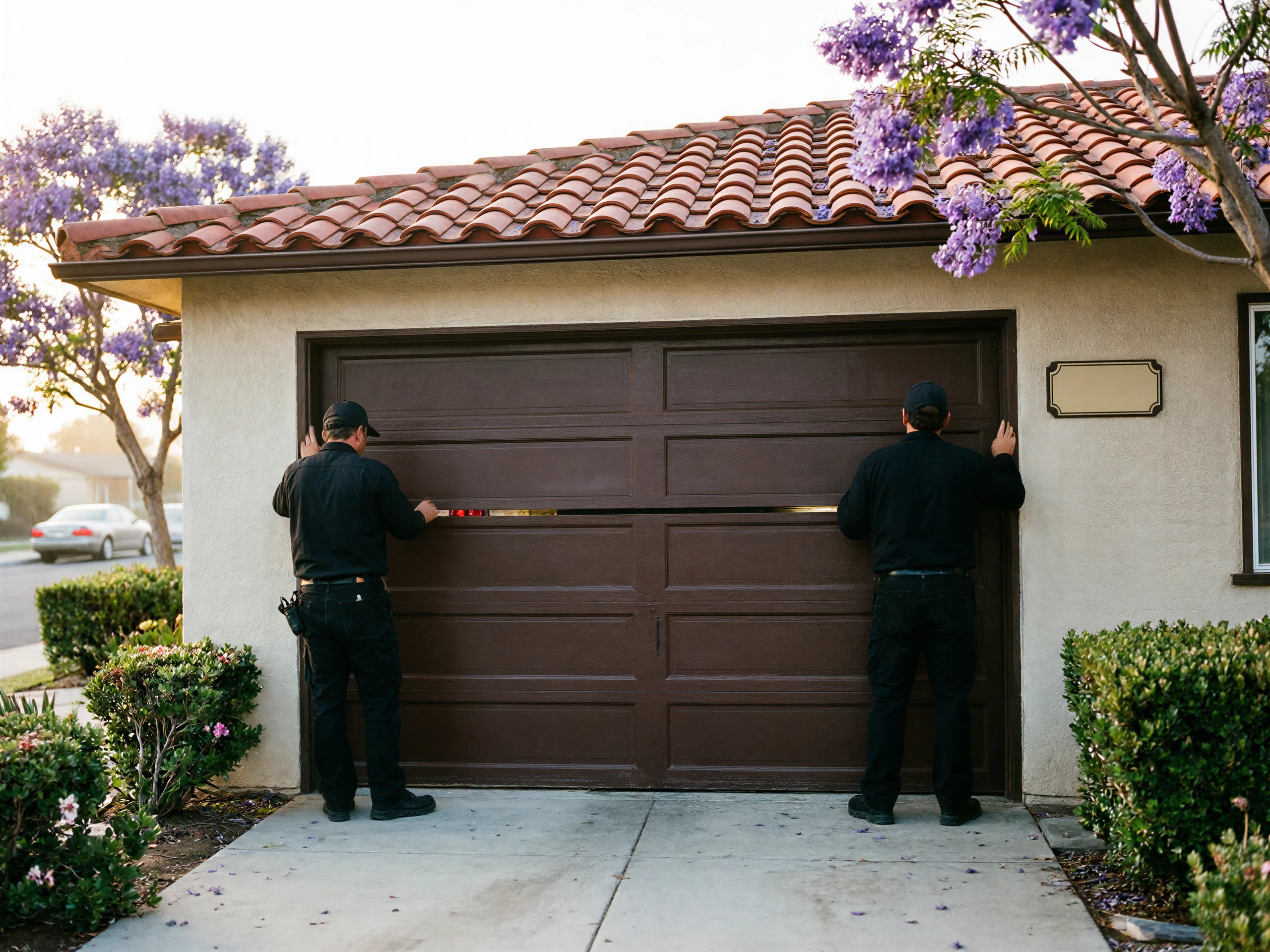
Garage Door Panel Replacement for Santa Cruz Homes
Dented or cracked garage door panels are common on Santa Cruz's 1960s-70s housing stock. Learn more →Ready when you are
Need a garage door sorted in Santa Cruz?
Santa Cruz Garage Door Pros repairs and installs garage doors, springs and openers in Santa Cruz, CA and the surrounding area.