Local detail
The Cost of This Job
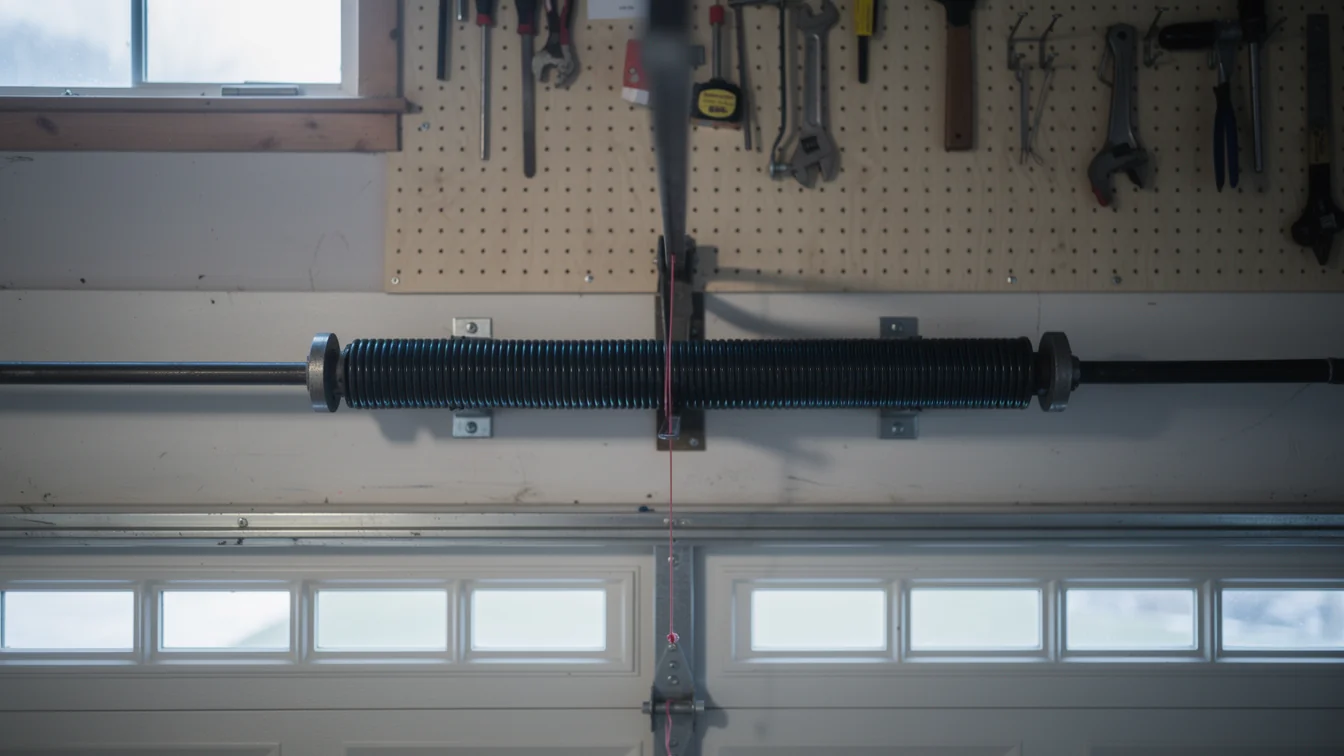
We don't quote a number here, because what drives the bill in Santa Cruz isn't a flat rate - it's what's behind the panel. Most houses across the 25 named areas we work in went up between 1951 and 1985, with the bulk from the 1960s and '70s. That means a tech showing up to a service call is more often than not opening a door with original or near-original hardware: galvanized torsion springs sized for a lighter door than what's hanging on the track now, drums that don't match current cable gauge, and openers bolted to framing that was never meant to carry a screw-drive unit.
A call on a door like that isn't the same job as a call on a 2015 build. The tech has to identify what generation of hardware is on the track before he can price the fix, which is why phone quotes on older stock are rough at best. With median household income in the area at $128,163, most owners here aren't choosing the cheapest fix available - they're choosing the one that doesn't need a second visit in two years. That changes what gets recommended on the call, not just what gets charged.
The area
What the Weather Here Does to It
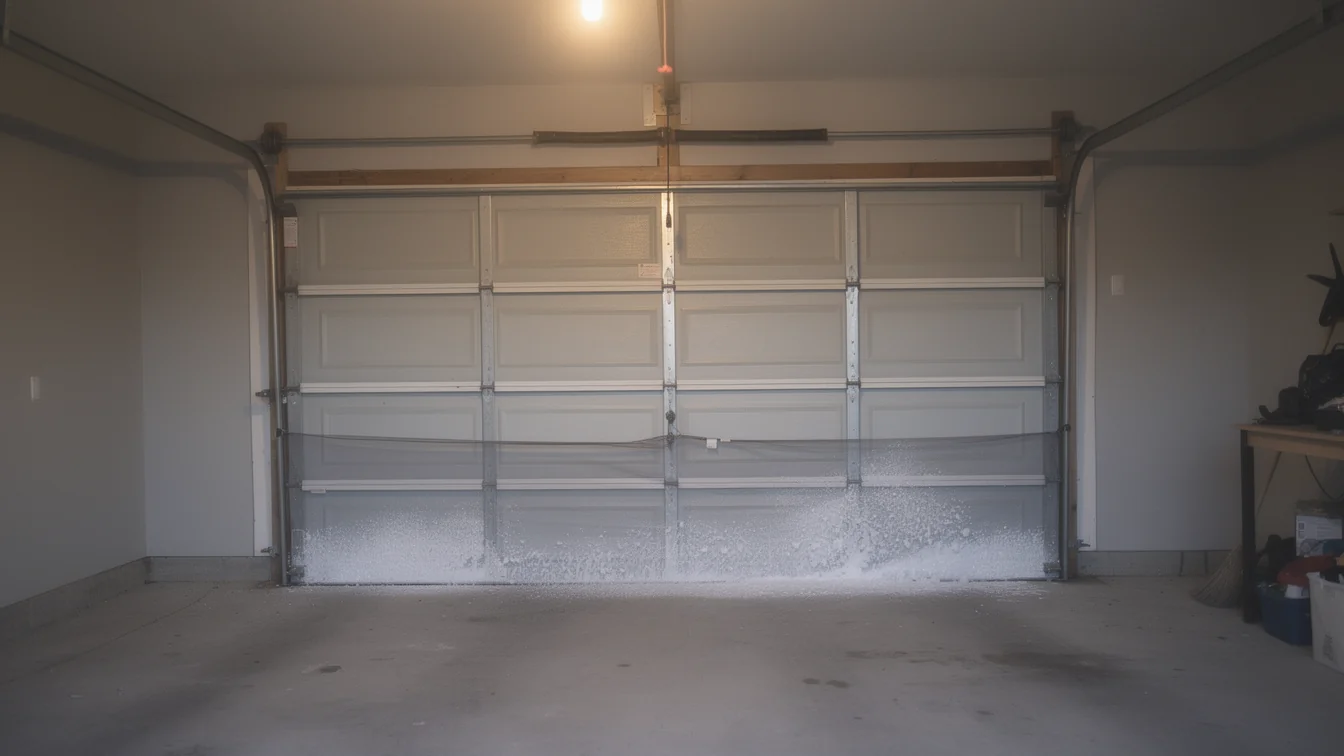
Santa Cruz sits in a mild temperate band, and that cuts both ways on a garage door. No hard freezes means no cracked seals from ice, no lubricant that gums up at 20 degrees. But mild and damp isn't mild and dry - coastal moisture works into exposed hardware slowly and constantly instead of in one hard winter event. On a door built in the '60s or '70s, that's 50-plus years of slow corrosion on springs and hinges that were galvanized to a lower standard than what ships today.
What we see on a service call out here isn't the dramatic failure - the spring that snaps with a bang - nearly as often as the slow one: rollers that have gone stiff and loud, hinges seized at one pivot point, a bottom bracket that's rusted enough to flex under load. None of that shows up as an emergency. It shows up as a door that's gotten harder to lift every month for two years, until someone finally calls.
What we find
The Problem
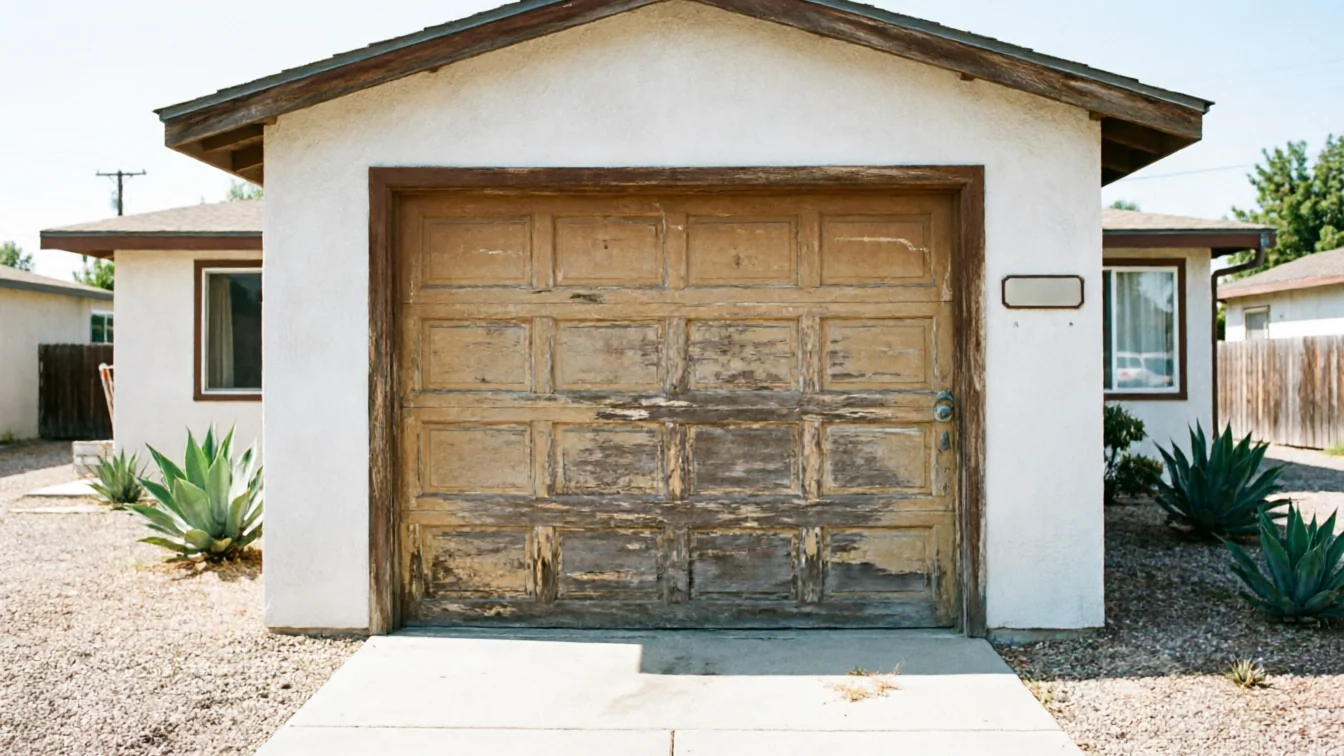
The core issue with service calls in this area is mismatch. A door panel gets replaced once, an opener gets swapped once, a spring gets upgraded once - and none of those jobs happen on the same visit or by the same installer. On a house built in 1965, by the time we get there, it's common to find three eras of parts on one track: original rail, a spring from a prior repair sized for the wrong door weight, and an opener installed without re-checking the balance.
Across the roughly 33,212 owner-occupied houses in the service area, that pattern repeats. It's not a defect in any one part - it's thirty or forty years of individually reasonable decisions that don't add up to a system that's actually balanced. A service call on a door like this isn't just fixing the symptom you called about. It's figuring out which of the three generations of hardware is actually causing it.
How we work
What to Check
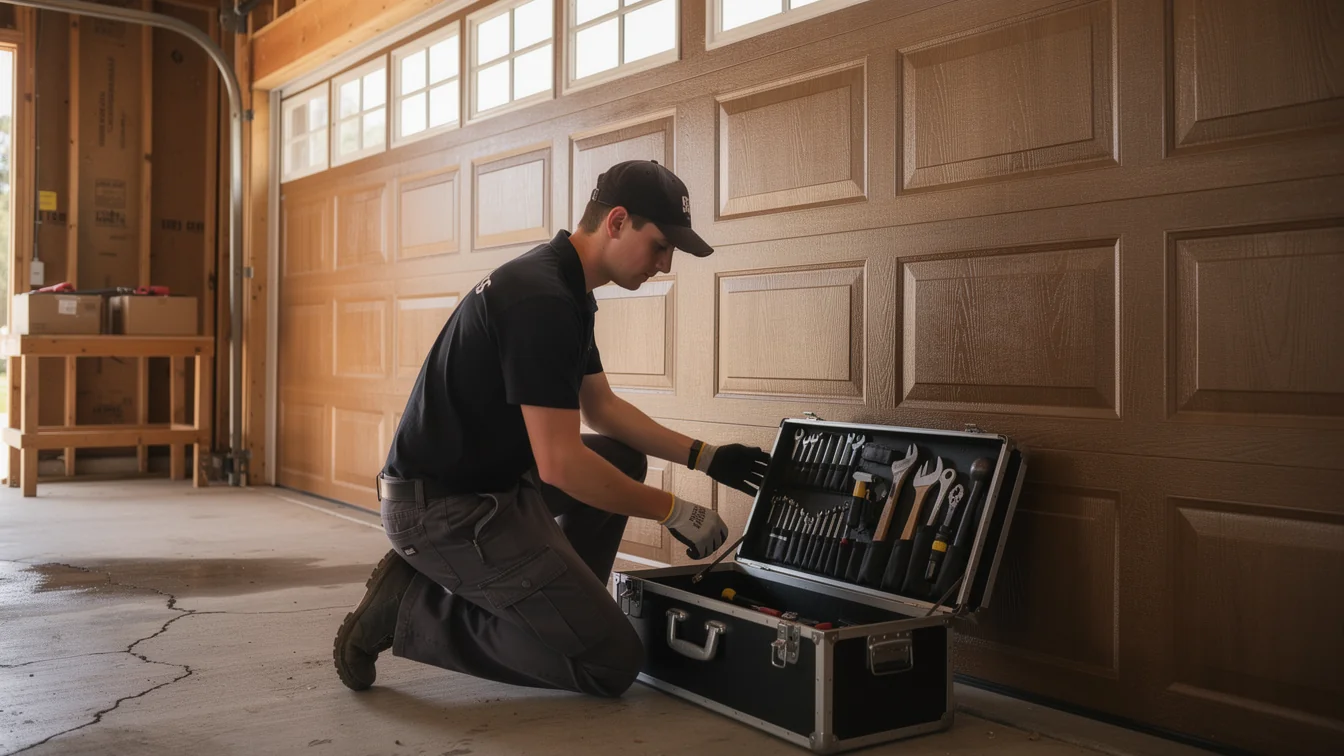
Before you call, there are a few things worth looking at yourself. Stand the door open halfway and let go - it should hold position. If it drifts down, the spring tension is off, and that's not a DIY fix; springs under tension are the one thing on this list we tell people not to touch themselves. Check the cables on either side of the door for fraying or rust, especially if the house is original-era stock - that's 50-plus years for galvanized cable to start showing it.
Listen to the rollers. A grinding or popping sound on an older track usually means steel rollers that were never upgraded, not a lubrication problem - oil won't fix a roller that's out of round. And look at the bottom corners of the door itself for rust blooming at the weld points; coastal moisture gets into those joints first; on a door that old it's worth deciding if a repair is even worth it versus replacing the section. That's the one honest limit here: once a door's structure is going at multiple points, patching it just moves the next call a year out, not five.
Talk to a local pro
Garage door trouble in Santa Cruz?
Same-day service with honest, upfront quotes.