Local detail
The Cost of This Job
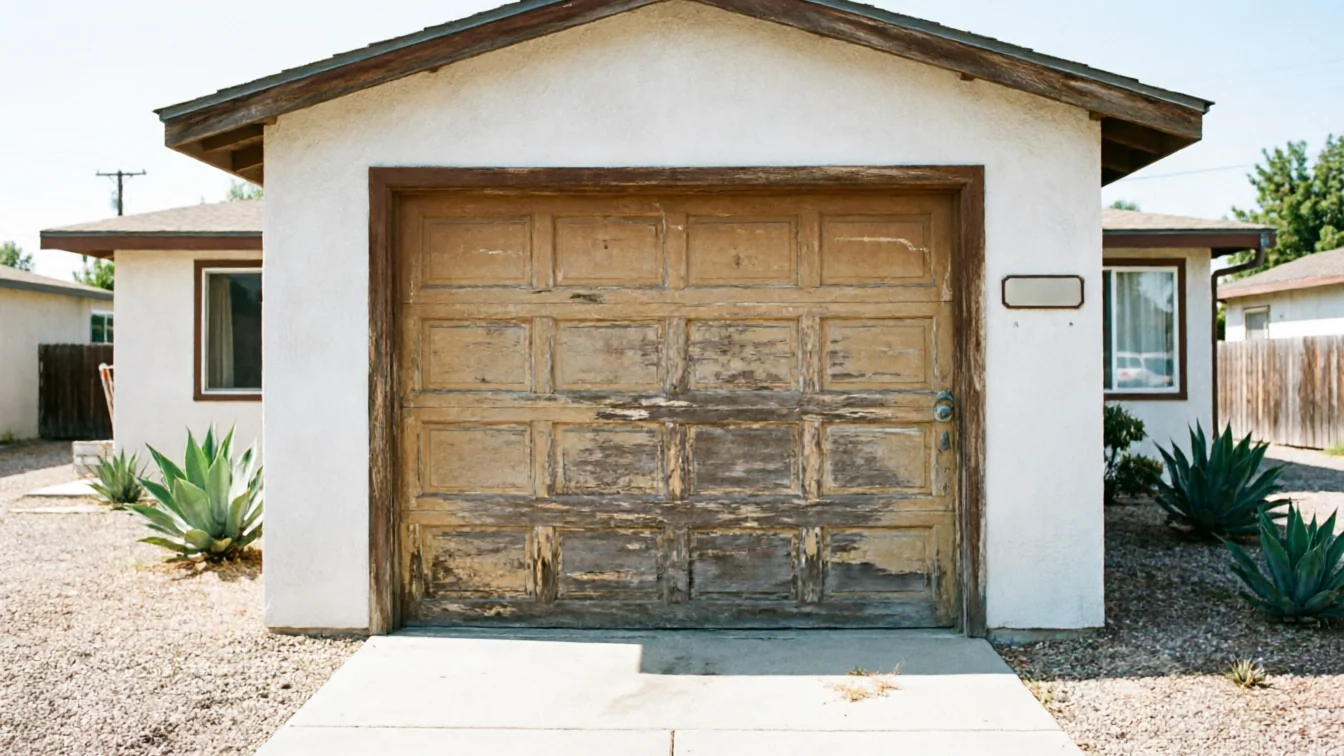
We can't quote a number here without seeing the door, so we won't make one up. What we can tell you is what drives the cost on a house built between 1951 and 1985, which covers most of the stock in this area and across the 25 named neighborhoods nearby. A door from that era usually runs on hardware nobody stocks on the truck anymore - older track widths, odd-sized rollers, torsion springs wound for a lighter or heavier panel than what's sold today. That means a repair on a door this age often takes a special order, not a same-day fix, and the labor to adapt modern parts to old brackets adds time a newer install never needs.
If the opener is original to a house built in the 1960s or 70s, the motor and the drive gear are both past any reasonable service life, and patching one part usually just moves the failure to the next part. That's not a sales pitch for replacement - it's what happens mechanically when a system this old gets a single new piece bolted onto worn everything else. Sometimes the spring alone is the job. Sometimes it isn't.
The area
What the Weather Here Does to It
Santa Cruz sits in a mild temperate band, and that cuts both ways on an old door. You don't get the freeze-thaw cycles that crack concrete slabs or swell wood jambs the way a harsher climate would, so a door here can run longer on original hardware than the same door would somewhere with hard winters. But mild doesn't mean dry. Steady coastal moisture and salt-tinged air work on steel fasteners, spring coils, and track brackets year-round, slowly, without the dramatic failure point you'd see from a freeze crack. On a house from the 1972 median build year, that's fifty-plus years of that slow corrosion on hardware that was never stainless to begin with.
The result is a door that often looks fine and rolls fine until a rusted end bearing or a pitted cable finally lets go, usually without much warning. We see this most on original hardware that's never been touched. If your springs and brackets still look like factory paint rather than bare metal, that's actually a reasonable sign of a install that's held up - but it's also closer to the end than the beginning.
What we find
The Problem
The core issue with a door this old isn't usually the panel. Steel and wood panels from the 1960s and 70s stock in this area tend to outlast the moving parts around them - springs, rollers, hinges, the opener. The panel is the part a homeowner notices because it's what you see every day, but it's rarely the part that fails first or costs the most to bring current.
The real problem is mismatch: a 2024 opener bolted to a 1968 door, or a new spring wound to a weight spec nobody measured because the original tag wore off decades ago. When parts from different eras get combined without someone checking the math, you get a door that runs rough, closes crooked, or trips the opener's safety sensor for no obvious reason. On a lot of the older houses across this service area, that mismatch has been building quietly for years, one small fix at a time, until the door is a patchwork that no single new part will fully correct.
How we work
What to Check
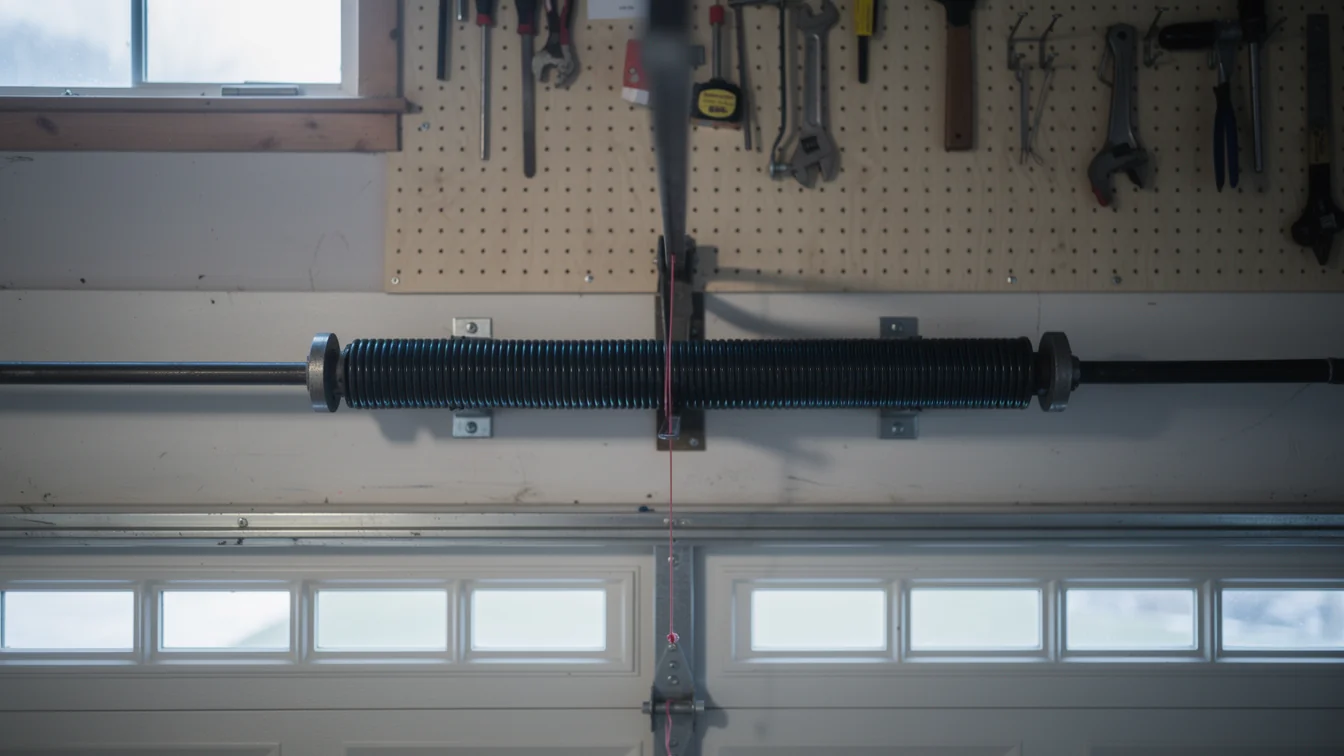
Start with the springs. If you can see visible gaps between the coils when the door is down, or the coil color doesn't match top to bottom, that's old stock and worth a look before it lets go on its own schedule. Next check the end bearing plates at the top of the track - on a house from the 1951-1985 build range, rust bloom here is common and it's the part most likely to seize quietly.
Look at the cable where it wraps the drum. Fraying strands mean the cable is close to done, and a cable failure under spring tension is not a safe DIY fix - that's one job we tell people to call for rather than handle themselves. Finally, run the door by hand with the opener disconnected. It should move with one hand and stay wherever you let go. If it drops on its own or fights you on the way up, the counterbalance is off, and that's a sign the whole system - not just one part - is due for a real look.
Talk to a local pro
Garage door trouble in Santa Cruz?
Same-day service with honest, upfront quotes.