Local detail
The Cost of This Job
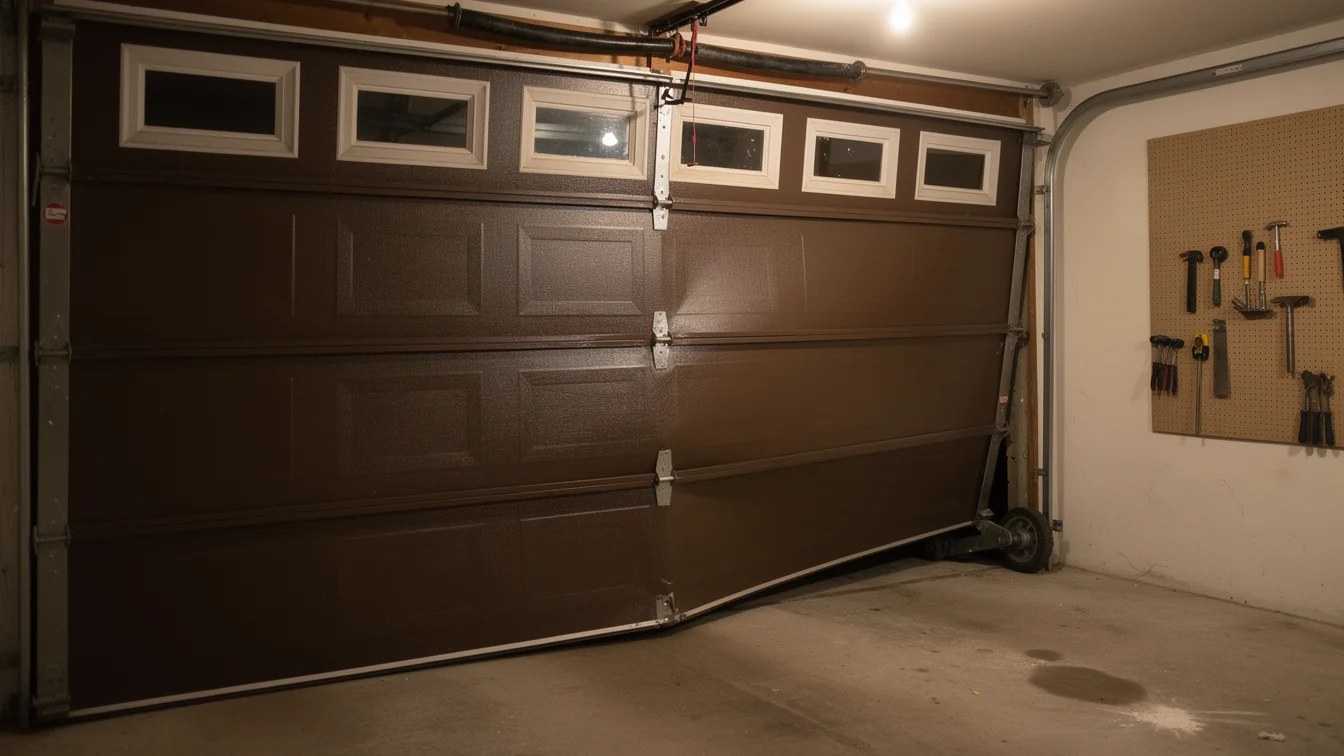
What you pay to get a door back on track depends on what caused it to jump in the first place, not just the labor to lift it back into the rollers. A door that slipped because one bracket worked loose is a short visit. A door that's off track because the track itself is bent, or because the rollers are the original steel ones from a 1960s or 1970s build, is a different job - you're replacing hardware, not just realigning it. Houses in this area built between 1951 and 1985 (median build year 1972, per F1) often still carry their first set of tracks and roller brackets. Fifty-plus years of opening and closing wears the galvanizing off the rail and loosens the lag screws holding the brackets to the jamb, which is the most common reason we find a door sitting crooked in its opening rather than running straight. We don't quote a flat number here because the fix ranges from a bracket tightening to a full track-and-roller swap, and guessing at a price before we see the door does nobody any favors. One honest note: if the track is bent in more than one spot, straightening it rarely holds - replacing that section is usually the better call even though it costs more up front.
The area
What the Weather Here Does to It
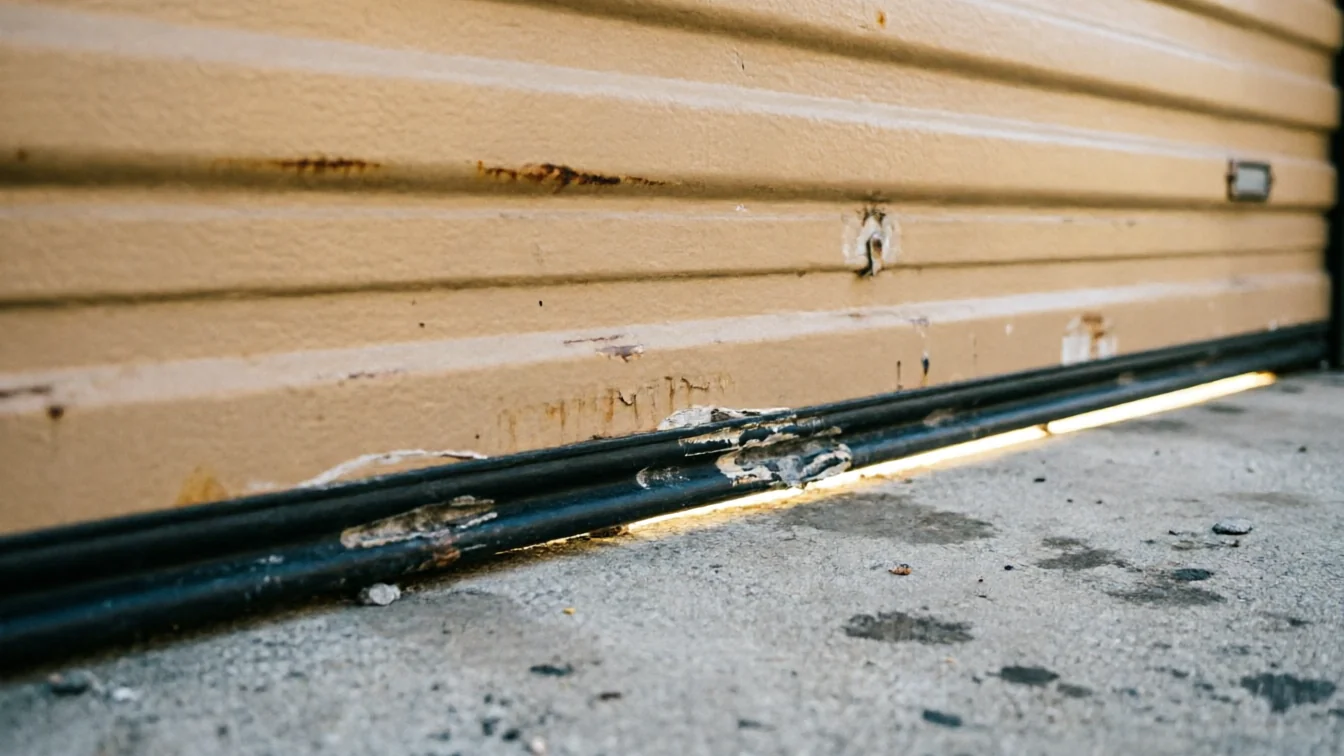
Santa Cruz sits in a mild temperate band - we don't get the hard freeze-thaw cycles that crack concrete slabs or the triple-digit heat that warps aluminum track in other parts of the state. That actually works in your favor for a lot of door problems. But mild and damp isn't the same as dry. Consistent coastal moisture, even without extreme temperature swings, is enough over decades to rust steel rollers and corrode the zinc coating on track bolts, especially on doors facing the ocean side of a property. On a 1960s or 70s install, that slow corrosion is usually what we find at the bracket level - not a cracked slab, not warped wood, just metal that's given up its grip after fifty years of marine air. It's a quieter kind of wear than you'd see inland, but it adds up the same.
What we find
The Problem
A door comes off track almost always because something that should be rigid has gone loose, bent, or worn smooth. On the housing stock common across this area - mostly 1960s and 70s construction spread across the twenty-five or so neighborhoods we work in, from Twin Lakes and Live Oak out to Scotts Valley and Aptos - the usual suspects are the same three things: a roller that's worn down to a smaller diameter than it was manufactured at, so it rattles loose in the track instead of riding snug; a bracket where the lag screws have backed out of fifty-year-old jamb wood; or a track that's been knocked out of alignment by a car bumper or a stored bike leaning against it. Less often, it's a broken cable on one side pulling the door crooked as it closes, which looks like a track problem but isn't one. Telling these apart matters because fixing the wrong thing doesn't fix the door.
How we work
What to Check
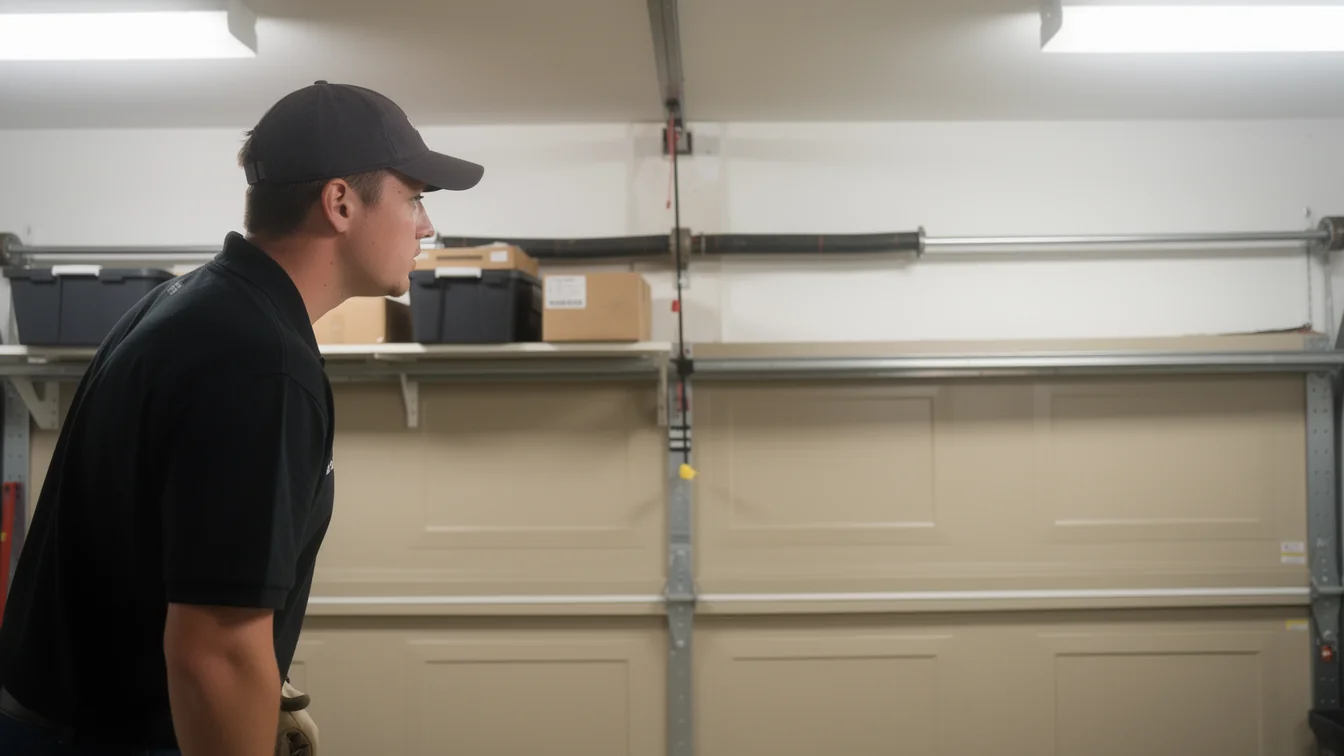
Before you call anyone, look at three things. First, stand at the side of the door and sight down the track - if it bows outward or has a visible kink, that's your answer, and no amount of roller lubrication will fix a bent rail. Second, check the brackets where the track bolts to the frame; on older homes in this area those lag screws loosen over time, and a bracket that wiggles when you push on it is the start of the problem, not the whole story. Third, run the door by hand (opener disconnected) and listen for a roller that clunks instead of rolling smoothly - a flat spot on a roller means it's worn past useful life. What we can't tell you from a list is whether a cable has snapped, because that's a tension problem under real load and checking it yourself risks a finger. If you see a cable that looks frayed or unspooled at the bottom bracket, stop and call rather than troubleshoot further.
Talk to a local pro
Garage door trouble in Santa Cruz?
Same-day service with honest, upfront quotes.