Santa Cruz, CA
Garage Door Opener Repair, Santa Cruz
Garage door opener repair for Santa Cruz homes built 1951-1985 with aging chain-drive units, corroded boards, and worn gears. Diagnosis and same-day fixes.
Why This Fails Locally
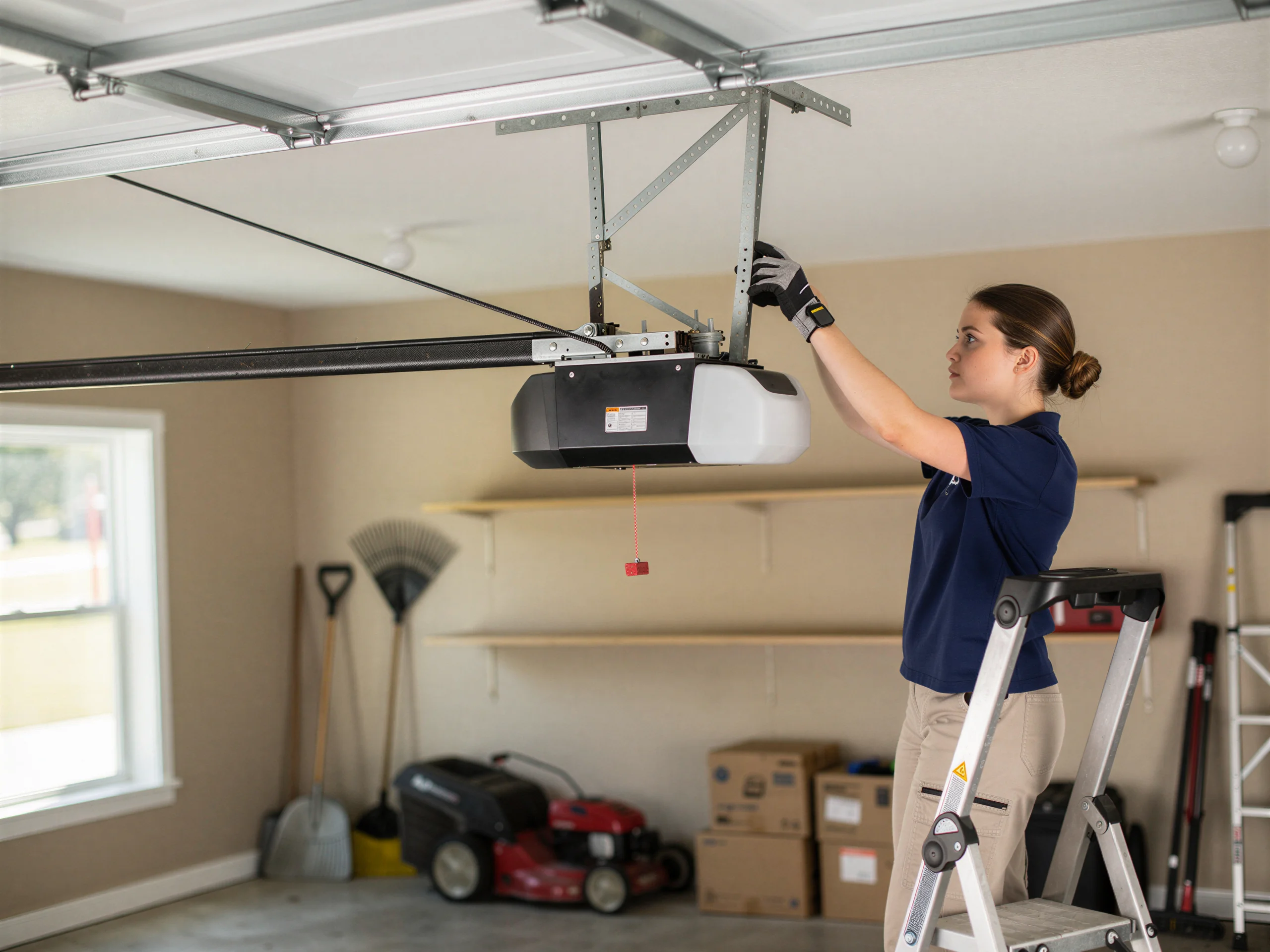
Most of the homes across this service area were built between 1951 and 1985, with the median build year landing around 1972. That's the exact stretch when chain-drive openers went from novelty to standard feature, and a lot of those original units - or the 1980s replacements homeowners bolted in when the first ones wore out - are still hanging over the car today. The logic boards in that generation weren't built for 40-plus years of service, and the gears inside the housing are usually nylon that strips long before the motor itself gives out.
Santa Cruz sits in a mild temperate band, so we don't see the freeze-thaw cracking that splits housings in colder climates. What we do see is corrosion. Close to the coast, the marine layer puts moisture into garages that never fully dries out, and salt air works on exposed circuit boards, relay contacts, and the metal teeth on drive gears faster than dry inland air would. A unit that would run another decade somewhere drier starts throwing intermittent faults here - opener hums, light blinks, door doesn't move.
The pattern shows up across the 25 named communities in this service area, not just in one neighborhood, because the housing-age and coastal-air combination is regional, not block-specific.
The Cost of This Job
We can't post a flat number here because opener repair isn't one job - a stripped gear kit, a burned-out circuit board, a failed capacitor on a older unit, and a misaligned safety sensor are four different repairs with four different parts lists, and the only honest way to price it is to look at the unit.
Stock versus obsolete boards
What we can tell you is what drives the cost: whether the motor itself is still good, whether the board is a stock part we can source or an obsolete one from a discontinued model, and whether the issue is the opener or something upstream of it, like a spring or cable problem that's making the opener work harder than it should.
Most openers worth fixing
Across this service area, median household income runs $128,163, and most of the opener repairs we see are worth fixing rather than replacing outright - the motor and rail are usually fine, it's the board or gear kit that's gone.
Discontinued parts, new unit
That said, if your opener is old enough that the manufacturer no longer makes parts for it, we'll tell you straight that a new unit costs less than chasing down a discontinued board. We'd rather lose a repair than sell you a patch that won't hold.
The Symptom
The most common complaint we hear is the opener runs - motor hums, chain or belt moves - but the door doesn't budge, or only lurches a few inches before stopping.
Worn gear teeth
That's usually a stripped drive gear, and it's near-universal in units installed in that 1960s-70s construction wave that makes up most of the local stock. Second most common: the remote or wall button does nothing, but the opener light still comes on when you flip the garage light switch.
Dead receiver board
That points to a dead receiver board or a blown capacitor, both common failure points in units running 15, 20, or more years past their install date. Third: the door reverses partway up or down for no clear reason, or the opener's indicator light blinks a set number of times.
Logic board failure signs
Modern openers use that blink code to flag a sensor or limit-switch problem, and in the older units common here, it often means the logic board itself is failing, not just a sensor out of alignment. Less common but real: the opener runs fine most days and fails only when the garage is damp after a stretch of marine-layer mornings, which points straight at corrosion on exposed contacts rather than a worn mechanical part.
Doing It Yourself
Some of this is worth checking before you call anyone. If the door won't move and the opener just clicks, look at the two small sensors near the floor on each side of the track - if they're knocked out of alignment or something's blocking the beam between them, the opener won't run the motor as a safety lockout.
Simple checks before calling
Wipe the lenses and make sure they're pointed at each other. If your remote stopped working but the wall button still operates the door, swap the remote battery before anything else. What we don't recommend doing yourself: opening the opener housing to get at the circuit board, or replacing the drive gear kit yourself if you've never pulled a motor head down from the ceiling.
Stored spring energy risk
The springs and cables on the door itself store enough force to cause real injury, and even disconnecting the opener from the door incorrectly can let a door that's out of balance drop.
Grinding means call out
If you've checked the sensors and the battery and the opener still won't run the door - or if it's making a grinding noise from inside the housing - that's a call, not a project.
Questions
Common questions
Why does my garage door opener work fine until it rains?
In homes near the coast here, dampness from the marine layer gets into garages that don't fully dry between mornings. Moisture on an aging circuit board or relay contact causes intermittent faults that disappear once things dry out, which is why the problem seems to come and go rather than fail outright.
My opener is from the 1980s - is it worth repairing?
Often yes, if the motor and rail are sound and the failure is a gear kit or board we can still source. If the manufacturer has discontinued parts for that model, which does happen with units this old, replacement usually costs less than chasing down an obsolete board.
Can I just reset the opener myself before calling someone?
Checking the safety sensor alignment and swapping the remote battery are both safe and often fix the problem. Opening the motor housing or working near the door's springs and cables is not something to try without experience - the stored force in those parts can cause real injury.
Explore more
Explore More Services In Santa Cruz, CA
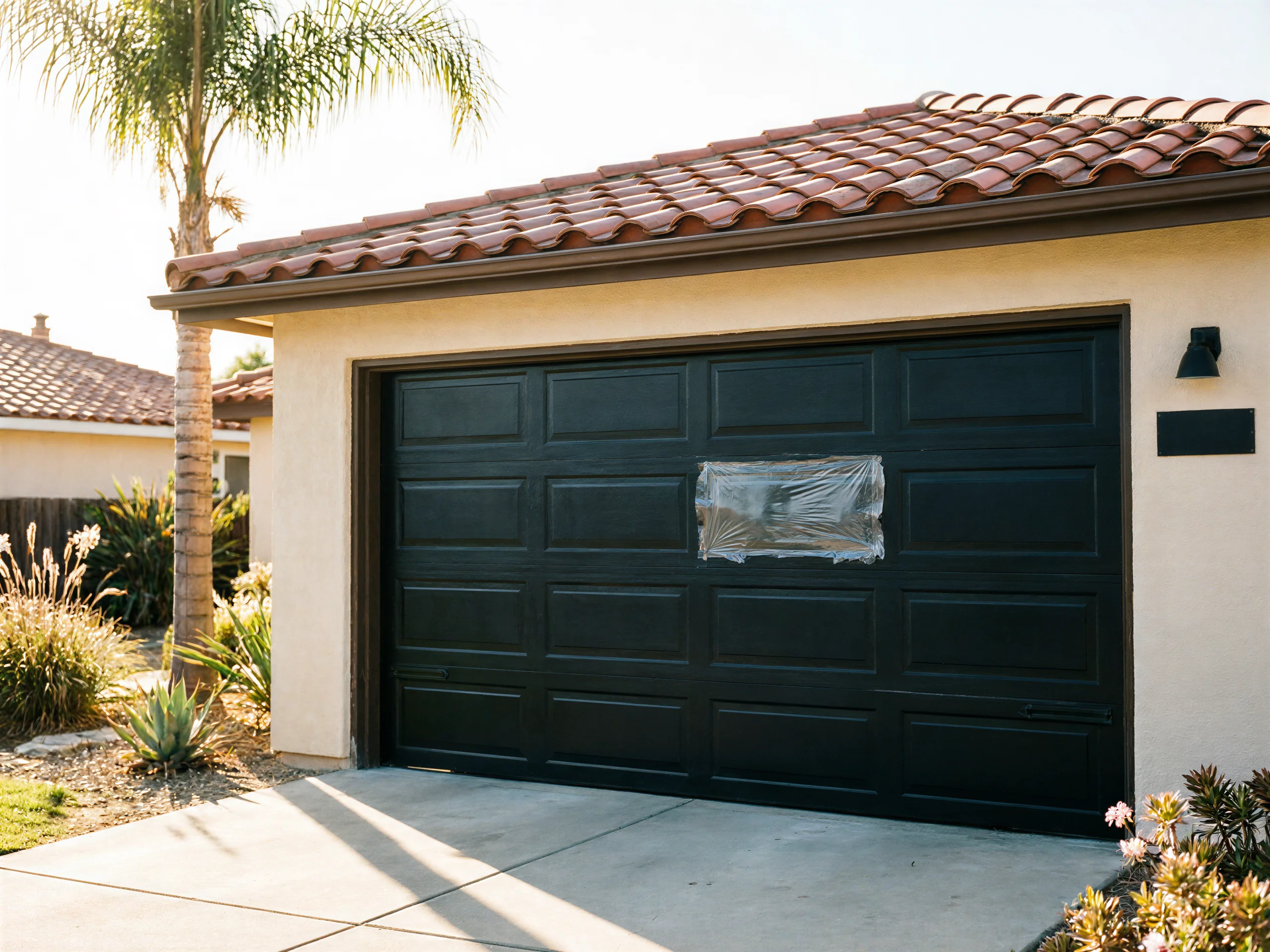
Garage Door Installation Built for Santa Cruz Homes
Garage door installation sized for Santa Cruz's 1960s-70s housing stock and mild coastal climate. Learn more →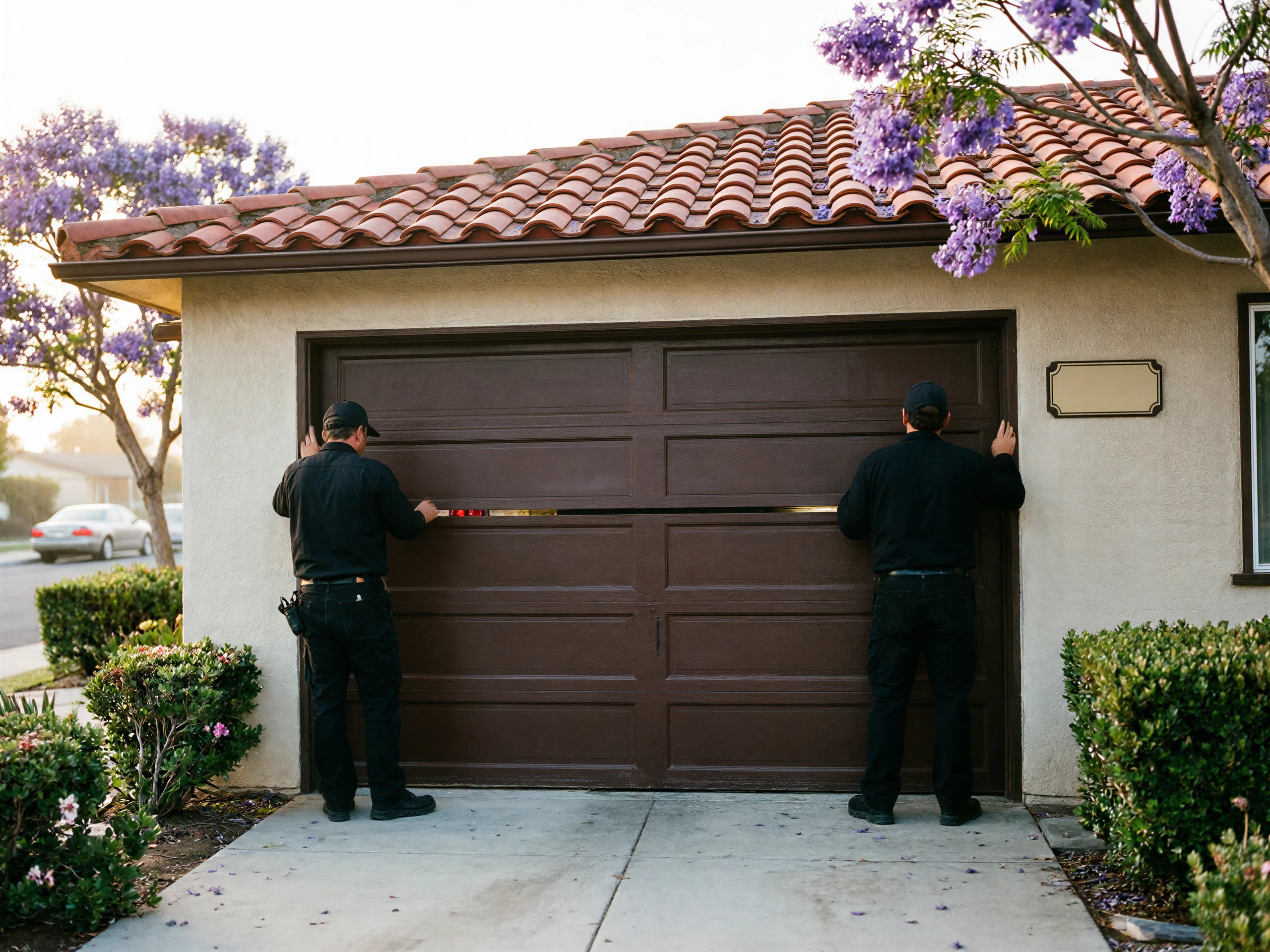
Garage Door Panel Replacement for Santa Cruz Homes
Dented or cracked garage door panels are common on Santa Cruz's 1960s-70s housing stock. Learn more →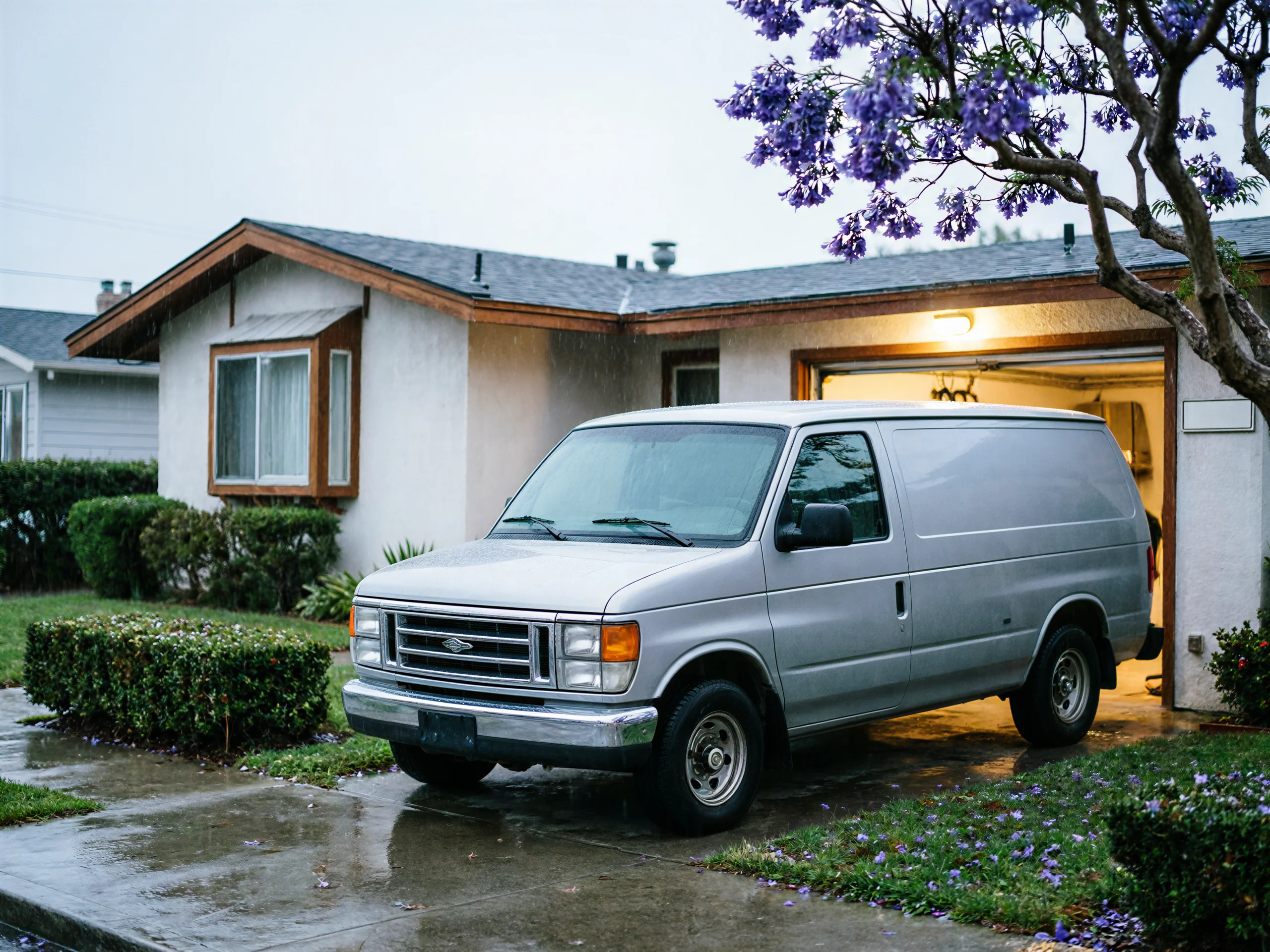
Emergency Garage Door Repair for Santa Cruz Homes
Broken spring or jammed track on a Santa Cruz house built between 1951 and 1985. Learn more →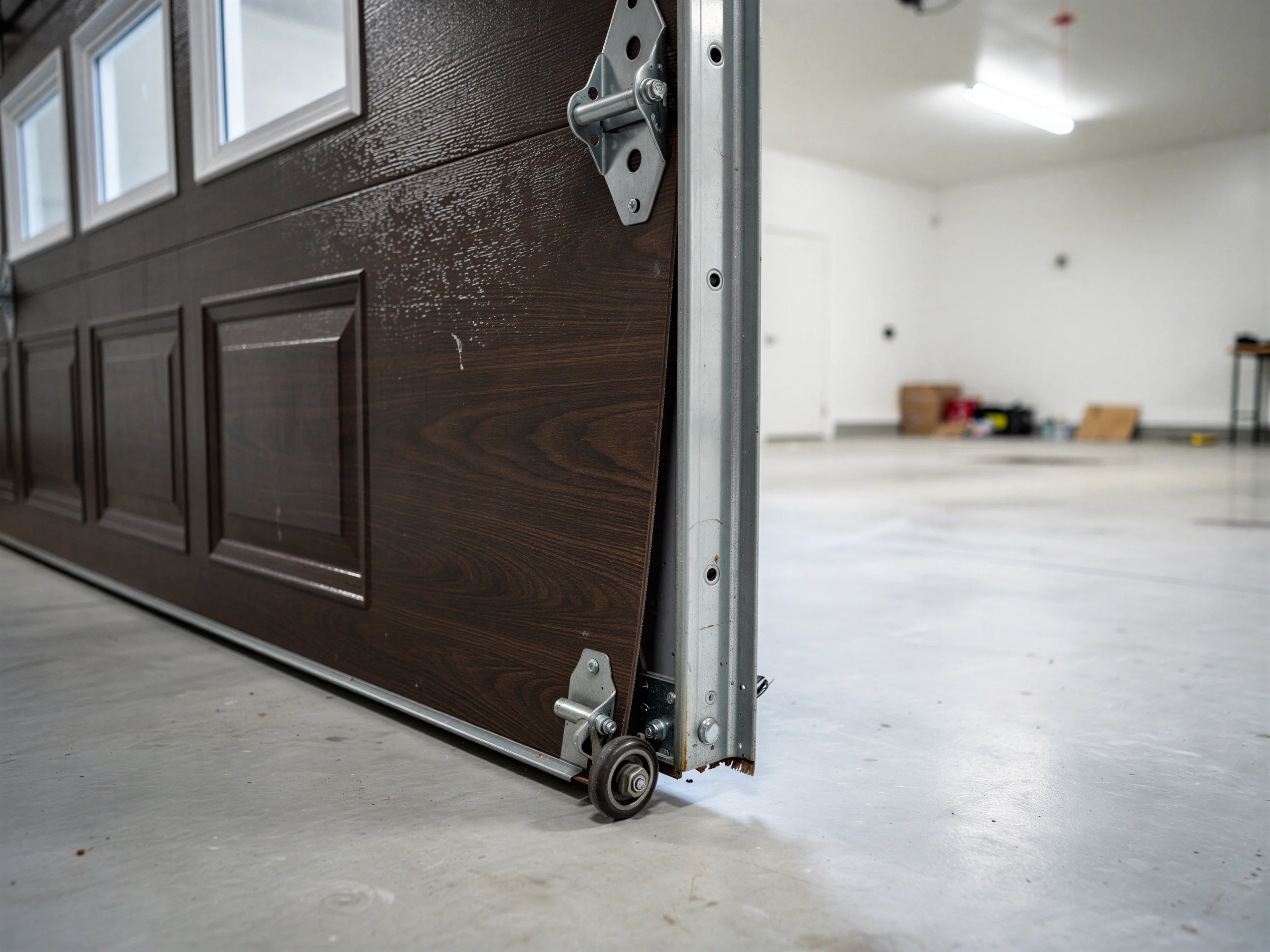
Garage Door Off Track: Why It Happens So Much Around Santa Cruz
Why garage doors come off track so often in Santa Cruz's 1960s-70s housing stock, what it costs to fix, and when to call instead of forcing it back yourself. Learn more →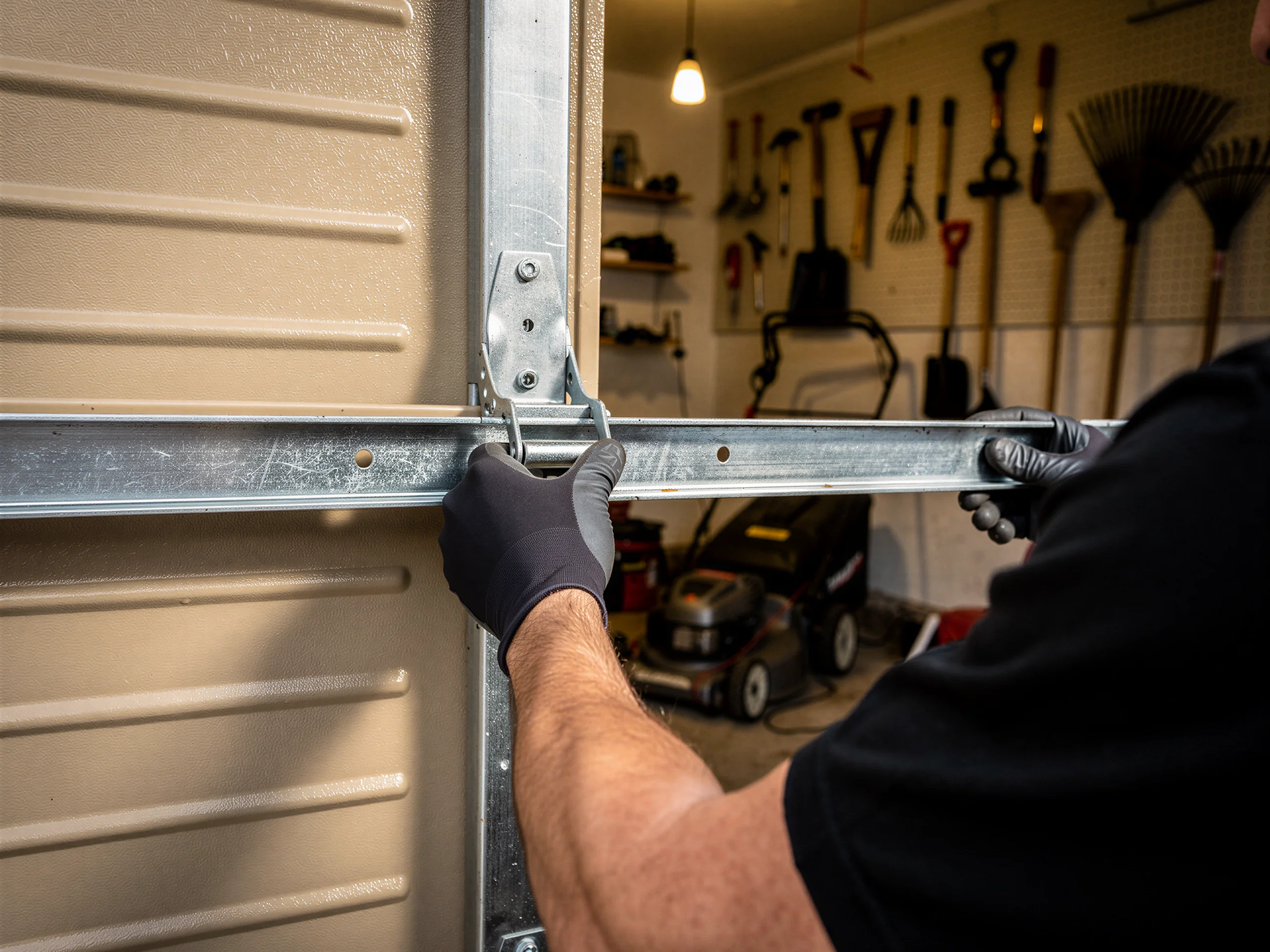
Garage Door Repair for Santa Cruz's 1960s and 70s Housing Stock
Santa Cruz homes built 1951-1985 still run original spring and track hardware. Learn more →
Opener Installation for Santa Cruz Homes
Most Santa Cruz garages still run openers original to homes built 1951-1985. Learn more →Ready when you are
Need a garage door sorted in Santa Cruz?
Santa Cruz Garage Door Pros repairs and installs garage doors, springs and openers in Santa Cruz, CA and the surrounding area.