
Santa Cruz, CA
Garage Door Service for Santa Cruz's Older Housing Stock
Santa Cruz garage door service built around the city's 1951-1985 housing stock. We know what breaks on original torsion hardware and why it fails here.
Why This Fails Locally
Most houses in Santa Cruz went up between 1951 and 1985, with the median landing around 1972. That's not a detail, it's the whole reason service calls here look different from a newer suburb. A door installed when your house was built has gone through fifty-plus years of cycles on hardware that nobody designed for today's heavier insulated panels. Homeowners bolt on a new steel door and leave the original torsion shaft, drums, and end bearings in place because the opener still runs fine. It does, right up until the spring, sized for the old lightweight panel, starts cycling twice as hard.
The mild temperate climate here actually works against easy diagnosis. In places with real freeze-thaw, a cracked spring or warped track announces itself with weather. In Santa Cruz, there's no hard winter to blame, so when a spring lets go it's almost always pure cycle fatigue, not corrosion or cold. That shows up the same way from the flats near the coast out through Live Oak and Twin Lakes to the hills above Scotts Valley, because it's the same era of stock everywhere in that range. We see the same end-bearing wear and the same undersized spring constant on house after house, and the fix is rarely a single part - it's usually two or three things that gave out together.
The Cost of This Job
We're not going to give you a number here, because what drives the cost on a job like this isn't the service call, it's what's actually inside the door when we open the section covers.
Simple versus worn shafts
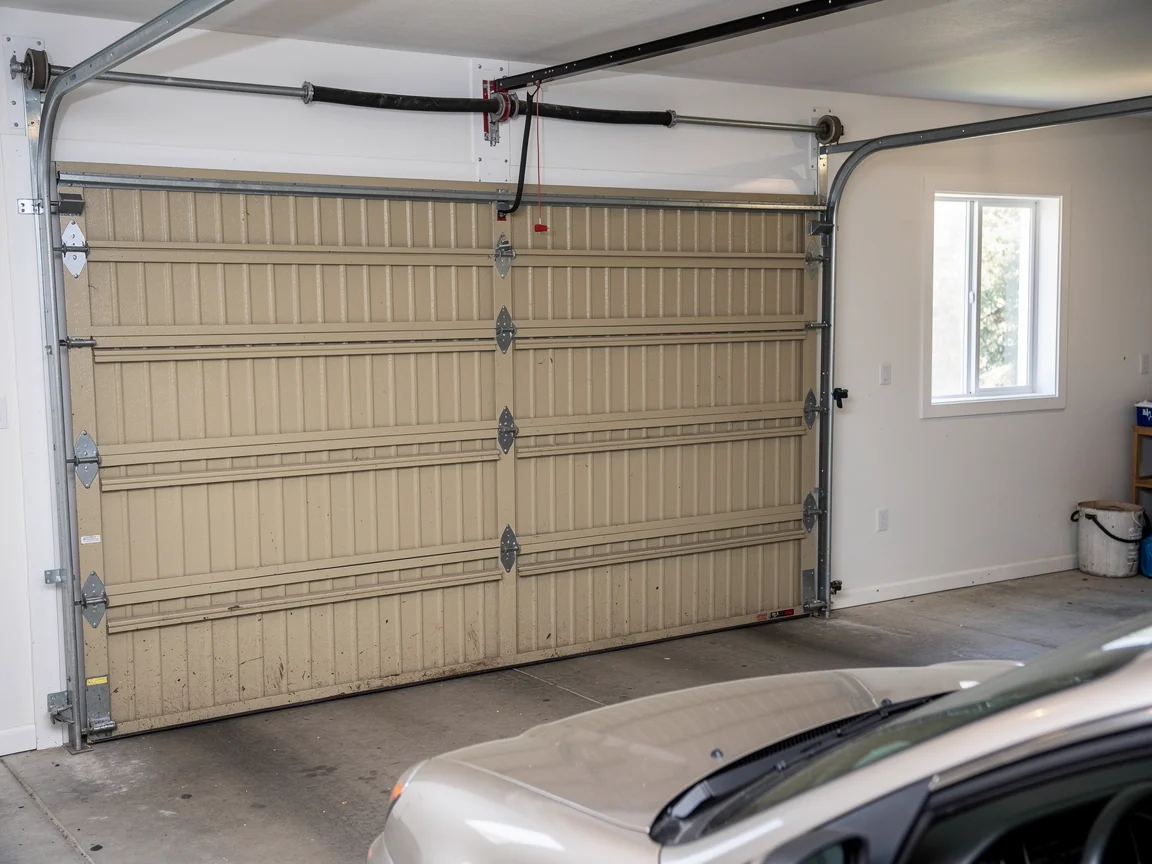
A straightforward spring swap on hardware that's still in spec is one job. A spring swap on a shaft that's worn an oval into the bearing plate, with cable drums that don't match the current door weight, is a different job entirely - more parts, more labor, sometimes a full torsion conversion.
Aging stock, bigger jobs
With 33,212 owner-occupied houses in the service area and most of that stock dating to the 1960s and 70s, we run into the second kind of job more often than the first. The honest version of an estimate only happens once someone's hands are on the hardware.
Deferral costs more
What we can tell you up front is that deferring it rarely saves money - a worn bearing plate left alone tends to take the opener's drive gear with it eventually, and that's a second repair instead of one.
The Symptom
The call usually starts the same way: the door is noisy, or it's started reversing partway up, or one side looks like it's lifting a half second before the other.
Loose bearing plate lag
On original-era torsion setups, that lag between sides is almost always an end bearing plate working loose from decades of flex, not a spring problem by itself, even though a tired spring is often riding along with it.
Opener swap, symptom returns
Another version: the opener strains and the garage light blinks on the way up, which looks like an opener problem but is the opener compensating for a spring that's lost tension. People replace the opener and the symptom comes right back in six months.
Common first-question pattern
Given how many houses in this area are still running the hardware generation that matches their 1960s-70s build, this exact sequence - opener swapped, symptom returns - is common enough that it's one of the first things we ask about on the phone before a truck ever rolls.
Doing It Yourself
There's real DIY territory here: lubricating rollers and hinges, tightening loose track brackets, replacing worn weatherstripping, clearing debris from the track. All of that is reasonable for a homeowner with basic tools, and doing it regularly is honestly the best preventive move available given how many of these doors are running original-era hardware well past its design life.
Torsion springs are not in that category. A door spring under tension can cause serious injury, and on older shaft-and-drum setups the spring is often undersized or mismatched to begin with, which makes the job less predictable even for someone who's watched a video on it. Cable replacement and bearing plate work carry the same risk - the parts are under load the whole time you're working near them.
We'll say plainly that we don't walk people through spring replacement over the phone, and we won't ship a part without doing the install. That's not upselling, it's the one place on this job where the honest limitation is also the safe answer.
Questions
Common questions
Why does my garage door feel heavier than it used to?
On houses built in the 1951-1985 window that makes up most of Santa Cruz, the common cause is a torsion spring that's lost tension through ordinary cycle fatigue, not damage. The opener compensates by working harder, which you feel as a heavier, slower door before anything actually breaks.
Is it the climate here that wears these doors out?
Not directly. Santa Cruz's mild temperate climate means you don't get the freeze-thaw stress that cracks hardware elsewhere. What wears these doors out is age and cycle count - most of the housing stock here dates to the 1960s and 70s, so the hardware is simply old.
Can I just replace the opener if the door is straining?
Usually not for long. A straining opener is often compensating for a tired spring or a worn bearing plate. Replace the opener alone and the same symptom tends to come back within months because the underlying hardware issue is still there.
Explore more
Explore More Services In Santa Cruz, CA
Garage Door Panel Replacement for Santa Cruz Homes
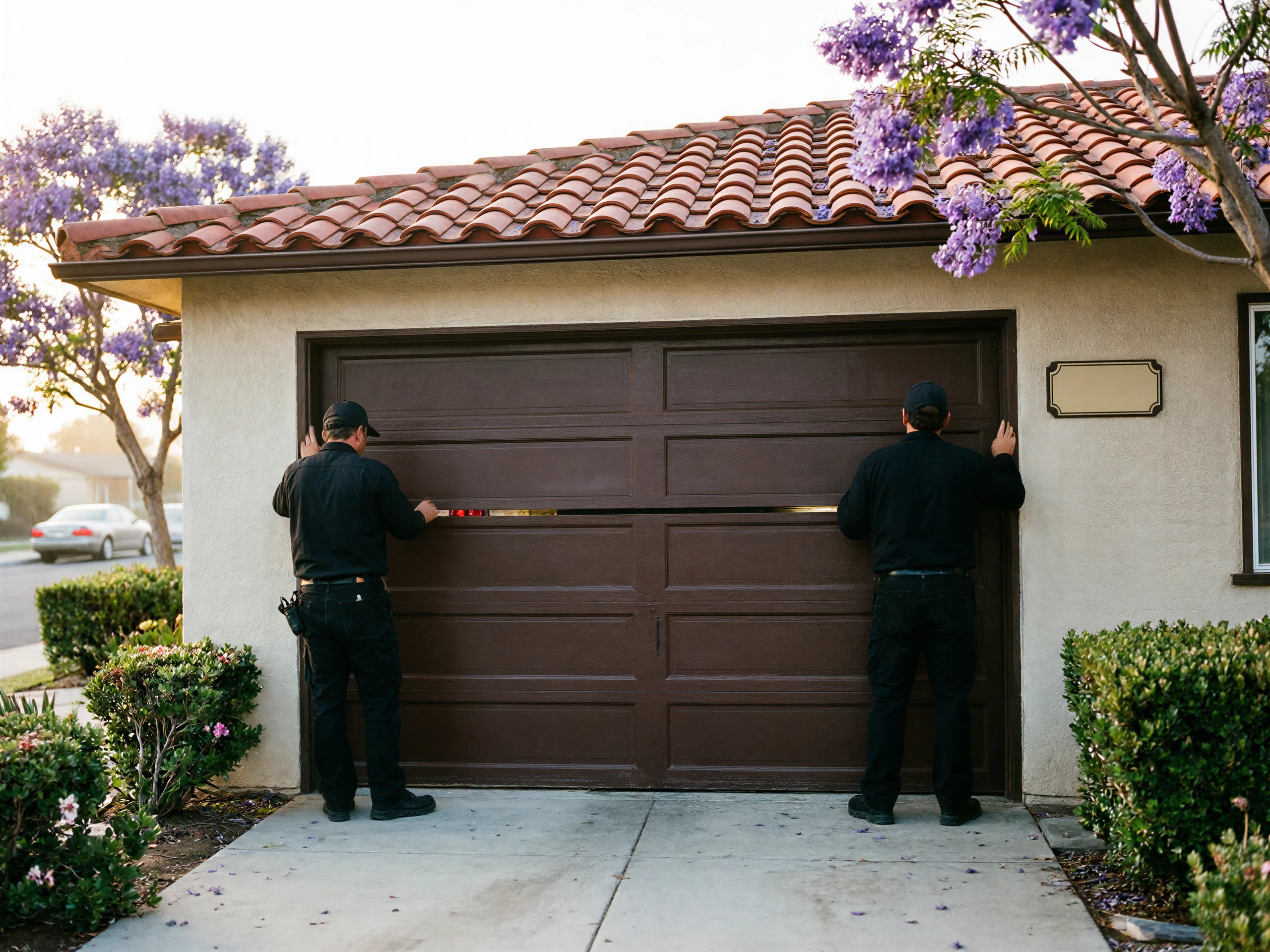
Dented or cracked garage door panels are common on Santa Cruz's 1960s-70s housing stock. Learn more →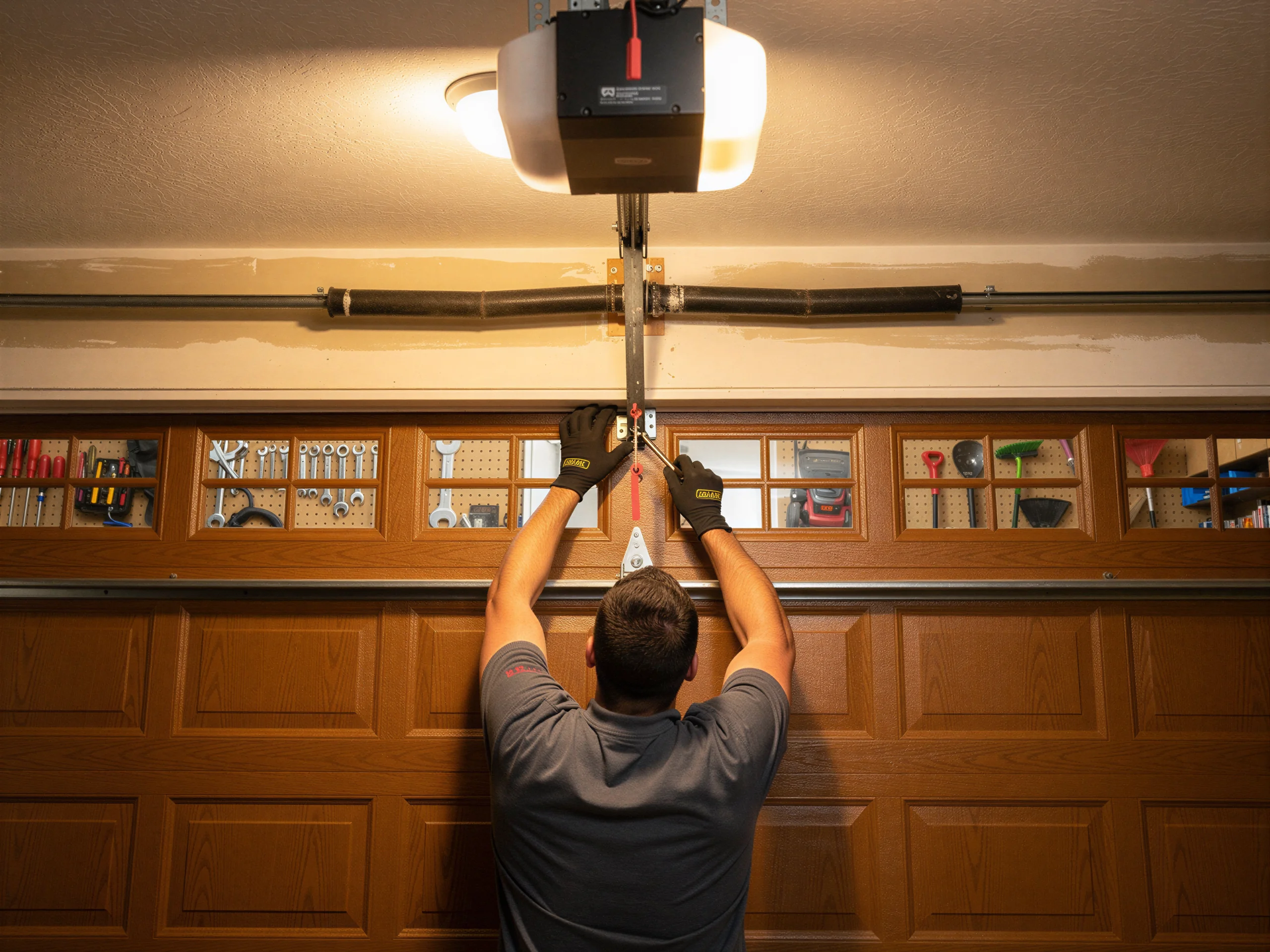
Opener Installation for Santa Cruz Homes
Most Santa Cruz garages still run openers original to homes built 1951-1985. Learn more →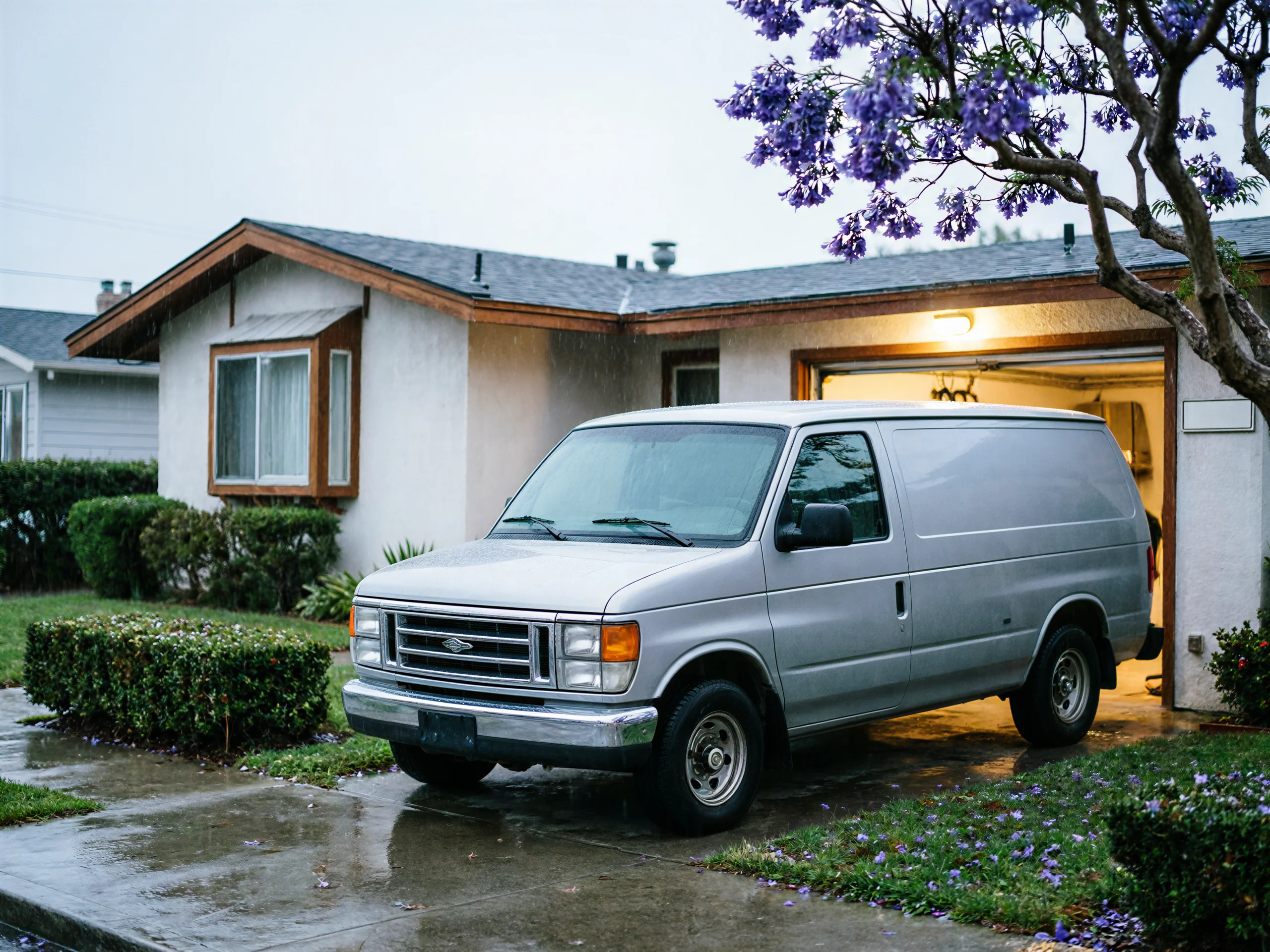
Emergency Garage Door Repair for Santa Cruz Homes
Broken spring or jammed track on a Santa Cruz house built between 1951 and 1985. Learn more →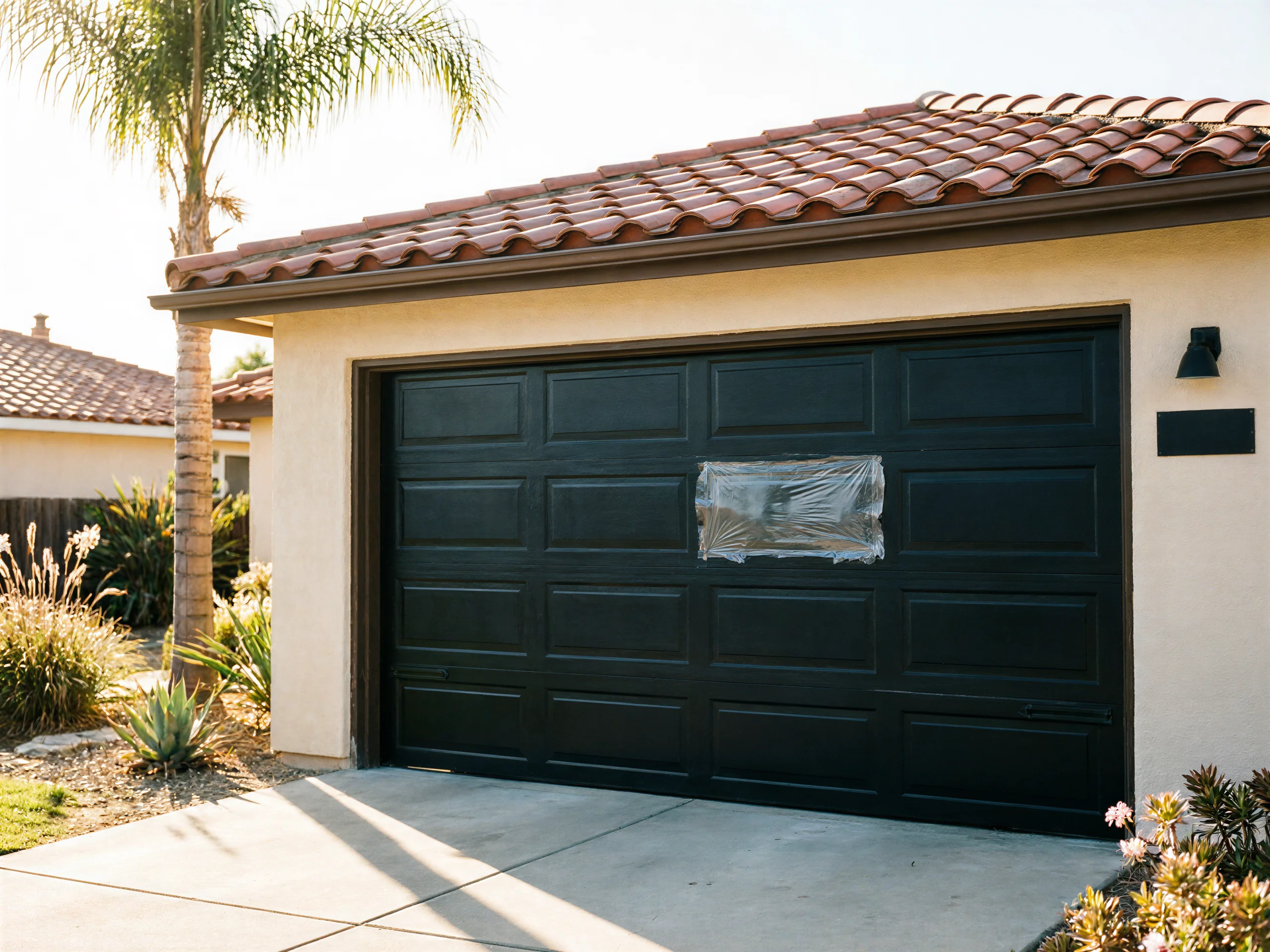
Garage Door Installation Built for Santa Cruz Homes
Garage door installation sized for Santa Cruz's 1960s-70s housing stock and mild coastal climate. Learn more →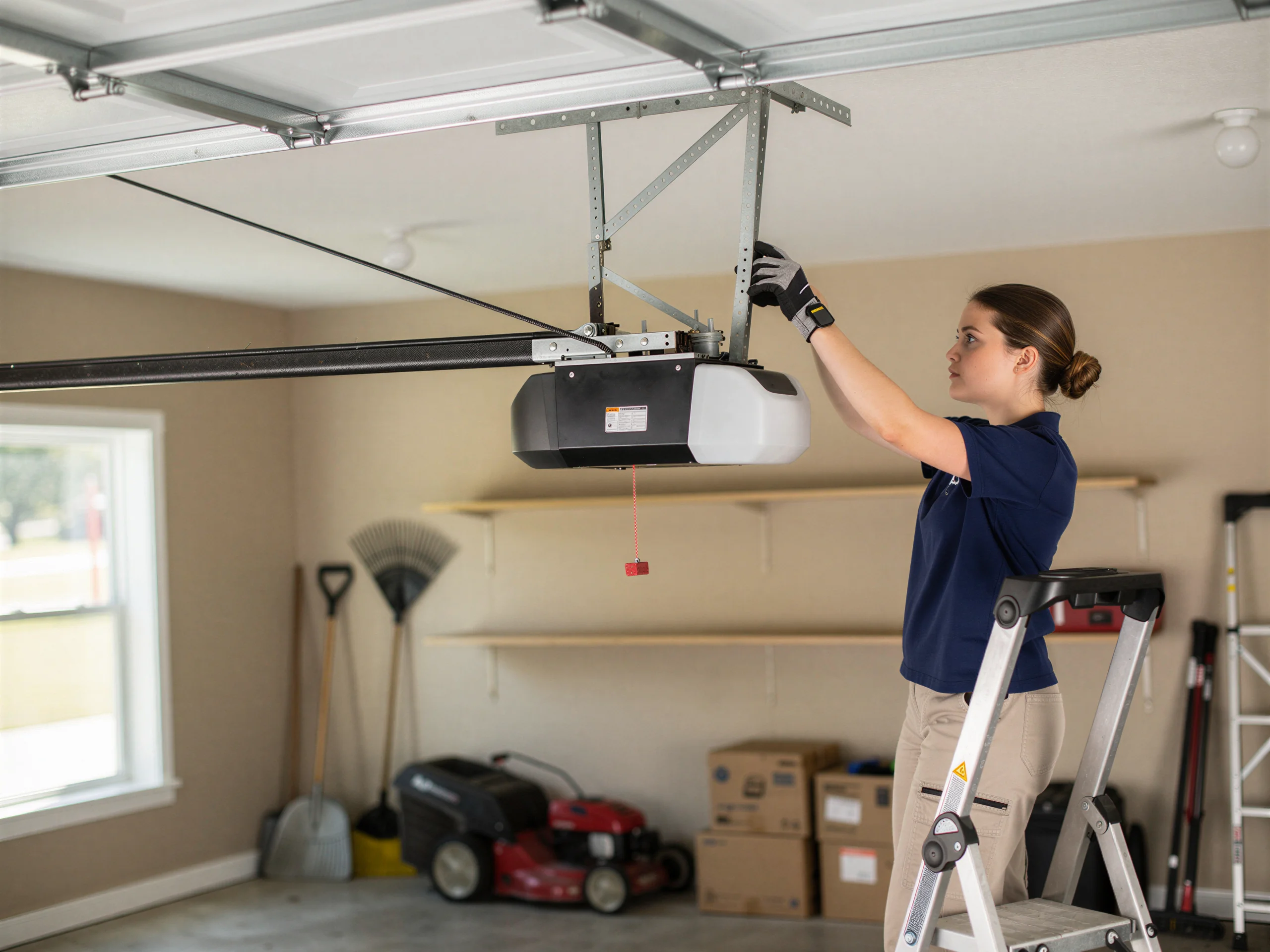
Garage Door Opener Repair, Santa Cruz
Garage door opener repair for Santa Cruz homes built 1951-1985 with aging chain-drive units, corroded boards, and worn gears. Learn more →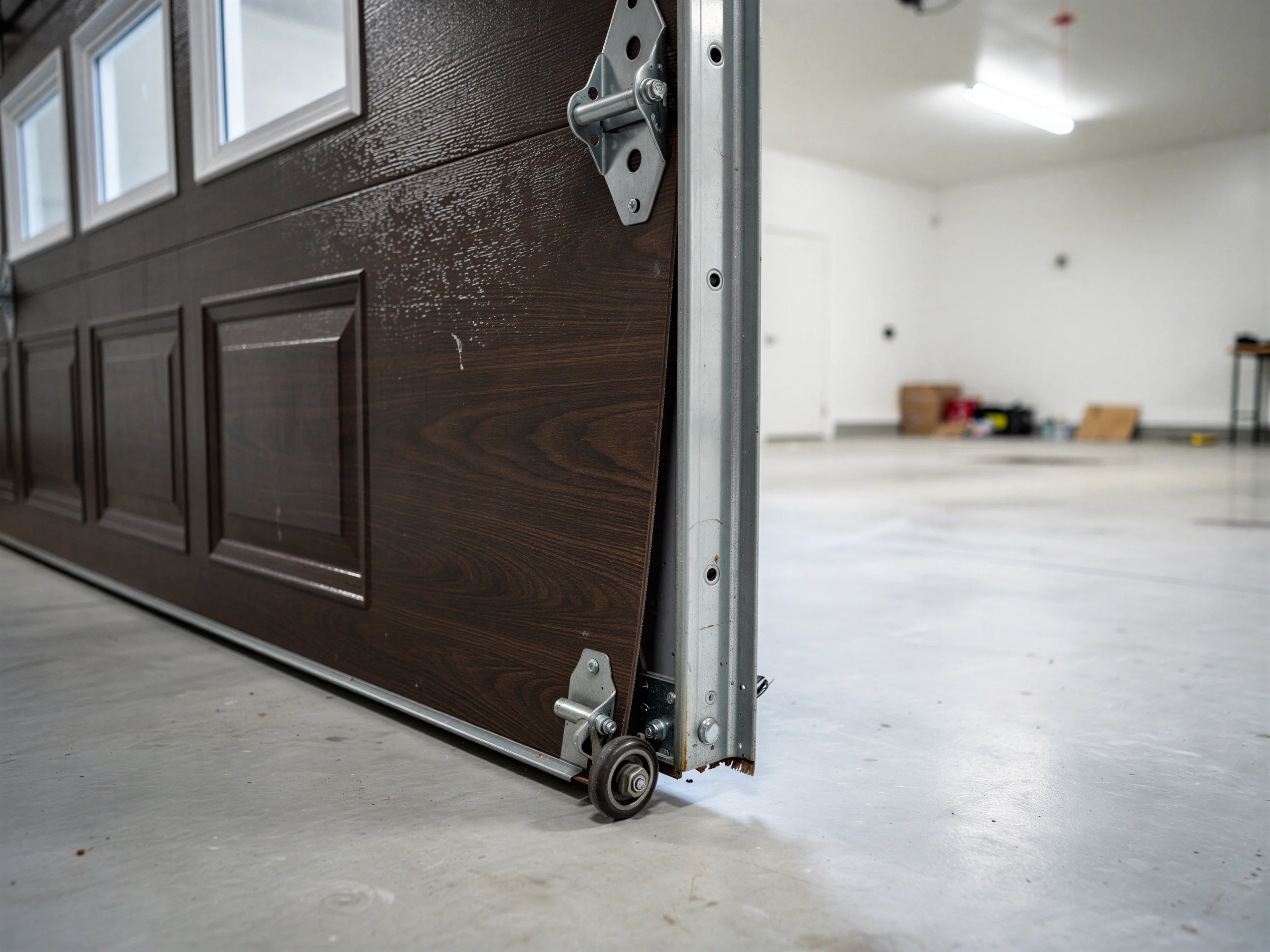
Garage Door Off Track: Why It Happens So Much Around Santa Cruz
Why garage doors come off track so often in Santa Cruz's 1960s-70s housing stock, what it costs to fix, and when to call instead of forcing it back yourself. Learn more →Ready when you are
Need a garage door sorted in Santa Cruz?
Santa Cruz Garage Door Pros repairs and installs garage doors, springs and openers in Santa Cruz, CA and the surrounding area.