Scotts Valley, Santa Cruz
What's Still Original in Your Scotts Valley Opener
Scotts Valley homes built near 1985 often still run their original chain-drive opener with no battery backup. See what a proper install replaces here.
What Is on the Truck
Most houses in Scotts Valley went up around 1985, right at the tail end of the housing boom this area rode through. That means a lot of garages up the hill are still running the opener that came with the house - a 1/3-horse chain-drive unit, a wall button with no keypad, and travel limits set by mechanical switches that drift over time.
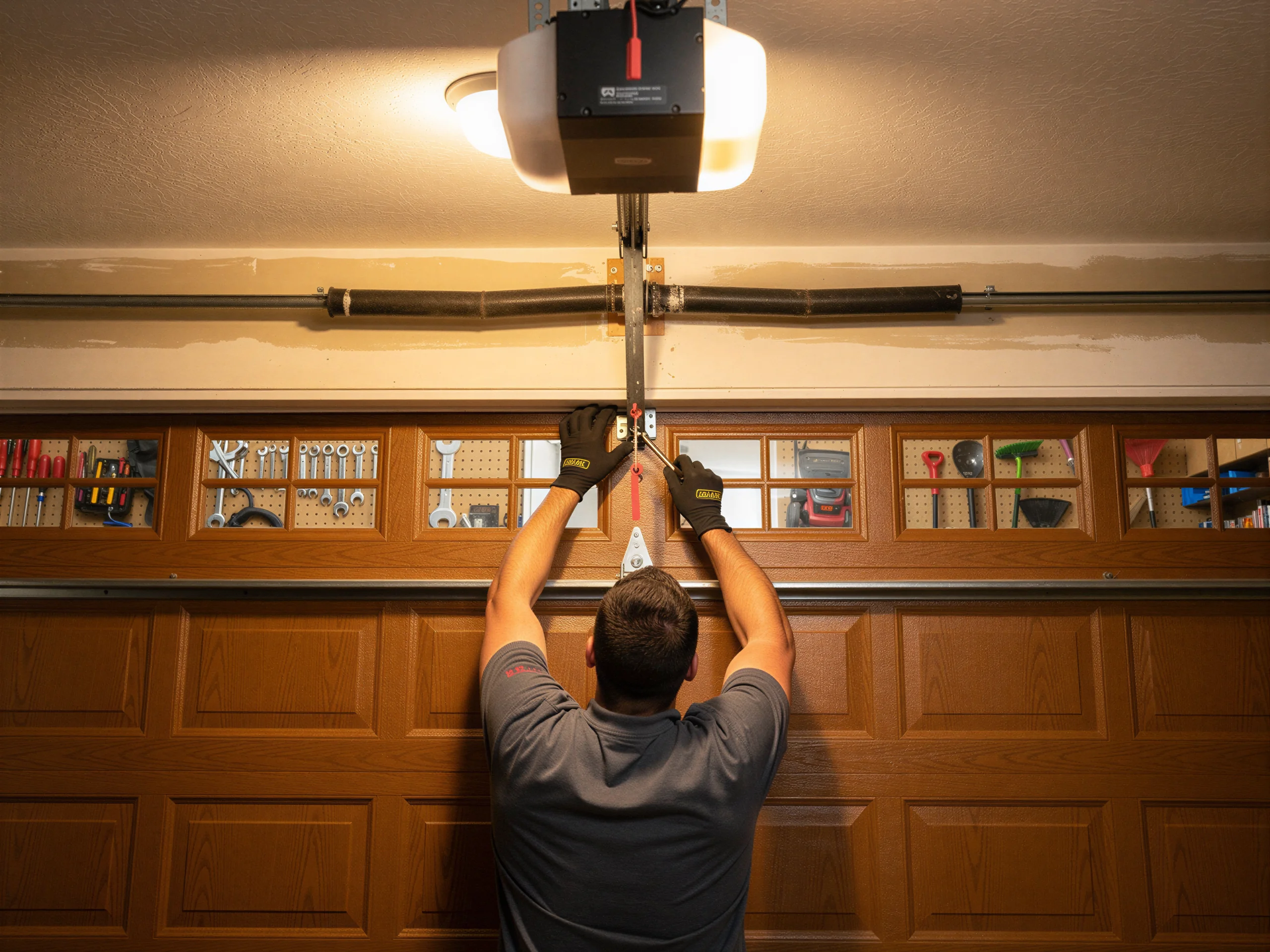
When we come up from the Santa Cruz shop for an opener install, the truck carries belt-drive and chain-drive units in a couple of horsepower classes, battery backup packs, new safety sensor brackets (the old ones are often bent or painted over), a wall console, and the wiring harness to match. We also carry mounting hardware sized for older track rails, since a 1985-era bracket pattern doesn't always match what ships on a new opener box.
We size the unit to the door, not just swap in whatever's cheapest. A heavier insulated door that's replaced the original panel over the years needs more lift than the motor that's dying on your ceiling right now.
The Cost of This Job
We're not going to put a number here we don't have - pricing depends on horsepower, battery backup, and whether your wiring needs rerouting, and we'd rather quote it on the actual door than guess in print.
What we will say: median household income in Scotts Valley runs around $140,887, noticeably higher than the roughly $128,163 median across the rest of our service area. In practice, more homeowners up here ask for the battery-backup, Wi-Fi-enabled models rather than the base chain-drive replacement - not because the cheaper unit won't do the job, but because they want the door to open during a power outage and want to check it from a phone.
Scotts Valley's roughly 5,008 households are a small share of the 74,988 across the towns we cover from Santa Cruz, which is part of why we don't keep a second branch up here - the job comes to you, we don't run a counter you walk into.
The Symptom
The usual call is a motor that strains before it lifts, then stalls halfway up. On a 1985-built door, that's almost always the original drive gear worn down to plastic dust inside the housing, or a travel limit switch that's slipped so the opener thinks the door is heavier than it is.
Stretched chain skipping
Sometimes it's the chain itself - forty years of sag and re-tensioning stretches it past where the sprocket can hold a clean bite, so the carriage jumps and the door shudders instead of gliding.
Failed motor capacitor
Other times the capacitor that gives the motor its initial kick has simply given up, which shows up as a loud hum and no movement at all. None of this means the door itself is bad.
Motor next to fail
The track and springs on a lot of these houses have already been replaced once; the opener motor is just the next original part in line to go.
Getting It Booked In
We work out of Santa Cruz, about six miles down the hill from Scotts Valley, so there's no local branch to call - just a job that gets scheduled and driven up.
Appointments, not walk-ins
That's worth saying plainly, because it means the install happens on an appointment, not a walk-in counter visit. When you call, tell us the age of the house if you know it and whether the opener has ever been replaced.
Replacement history matters
A door on a house built close to 1985 that's never had opener work done is a different job than one where someone swapped in a mid-2000s unit already - the second one usually just needs the motor and logic board, not new sensor wiring.
Dedicated outlet check
We'll also ask about your electrical setup near the garage, since a 1985-era circuit sometimes needs a dedicated outlet added before a newer opener with Wi-Fi and backup battery can run safely.
Why This Fails Locally
The climate band here is mild and temperate, same as the rest of the Santa Cruz service area, which sounds like it should be easy on hardware. It mostly is - no deep freeze, no heat that cracks plastic gears. But that same mild, damp coastal air sits in garages built in the 1970s and 80s without much cross-ventilation, and it slowly gums up lubrication on a chain or belt that hasn't been serviced in decades.
Add forty years of use to that and you get the failure pattern we see most up here: gearboxes that have run dry, capacitors that have degraded from age rather than heat, and logic boards built before surge protection was standard, taking a hit from the occasional power blip.
It's not dramatic weather damage. It's just time and moisture working slowly on hardware that was never meant to run this long without a rebuild.
What Can Go Wrong
Here's the honest part: an opener install is not a fix for a bad spring, a bent track, or a cable that's fraying. If your door is heavy to lift by hand with the opener disconnected, a new motor will just strain against the same problem the old one did, only for a little longer before it fails too. We'll tell you that on-site rather than sell you a motor that's going to mask a spring issue.
On houses built around 1985, we sometimes find the header above the door isn't braced the way current openers expect, especially if the door itself was upgraded to a heavier insulated panel at some point without the framing being checked. That's extra work, and we'll flag it before we start, not after.
We also don't carry every opener brand on every truck. If you want a specific model we don't stock, that's a lead-time item, not a same-visit install.
Questions
Common questions
Will a new opener work with my original 1985 garage door?
Usually, yes - the door panel and track are separate from the opener motor, and most original Scotts Valley doors from that era are still structurally sound. We check the header bracing and door weight before installing, since a heavier replacement panel sometimes needs a stronger opener than the door originally shipped with.
Do you have a branch in Scotts Valley?
No. We run out of Santa Cruz, about six miles down the hill, and schedule the job to come to you. There's no local counter or depot here - just an appointment and a truck.
Why does my opener work but the lights don't flash a code?
On openers built around the mid-1980s, there's often no digital error display at all - just a motor that hums, strains, or stalls. Diagnosing it means checking the gear, the capacitor, and the travel limit switches by hand rather than reading a blink code.
Is a battery backup worth adding if I didn't have one before?
It depends on how often you lose power and whether the door is your only way in or out of the garage. A lot of owners up here add it when replacing an old opener since it's a small extra cost at install time versus retrofitting it later.
Explore more
More Services in Scotts Valley
Emergency Garage Door
Scotts Valley homes run newer than most of the service area - median build year 1985. Learn more →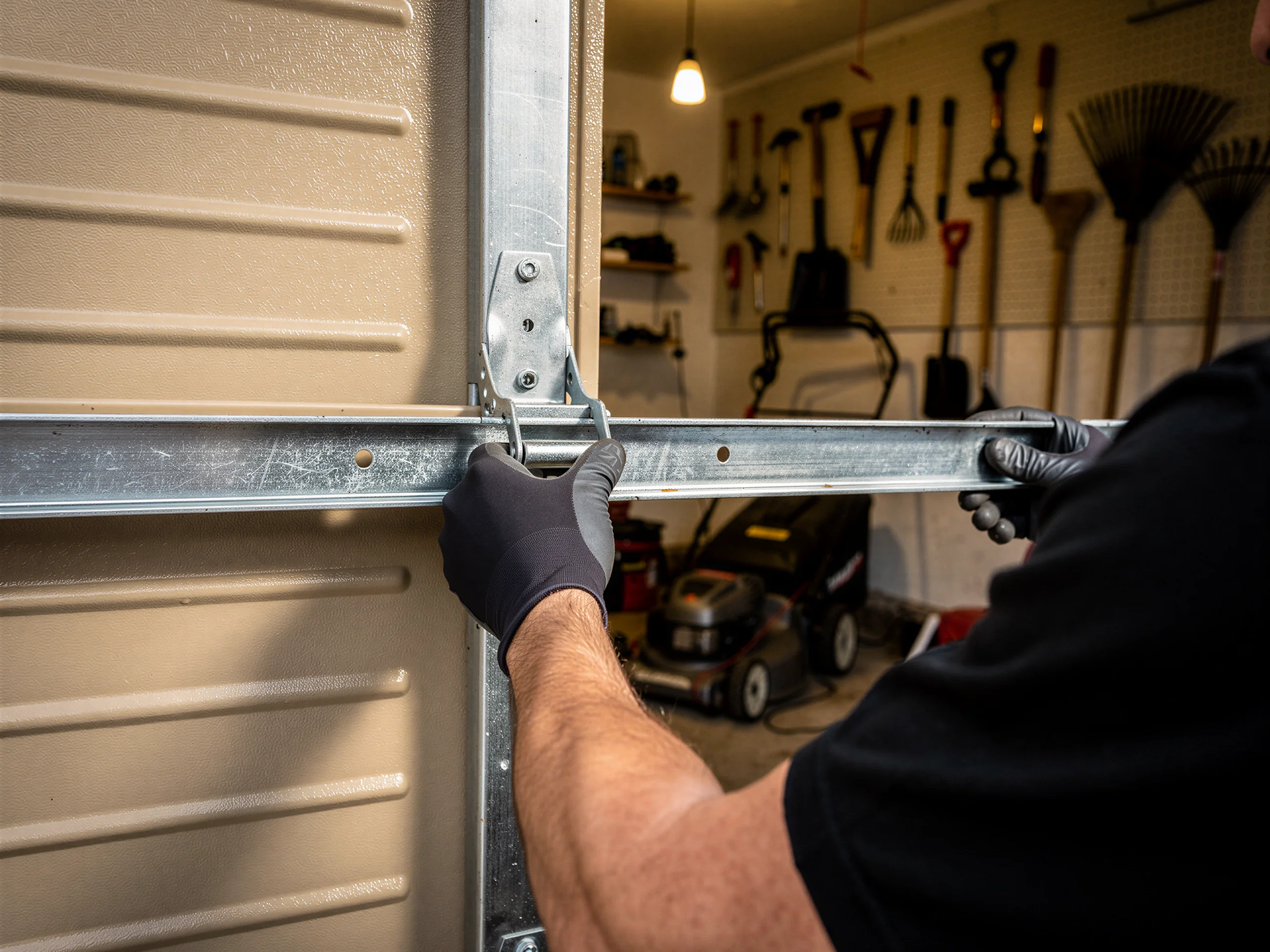
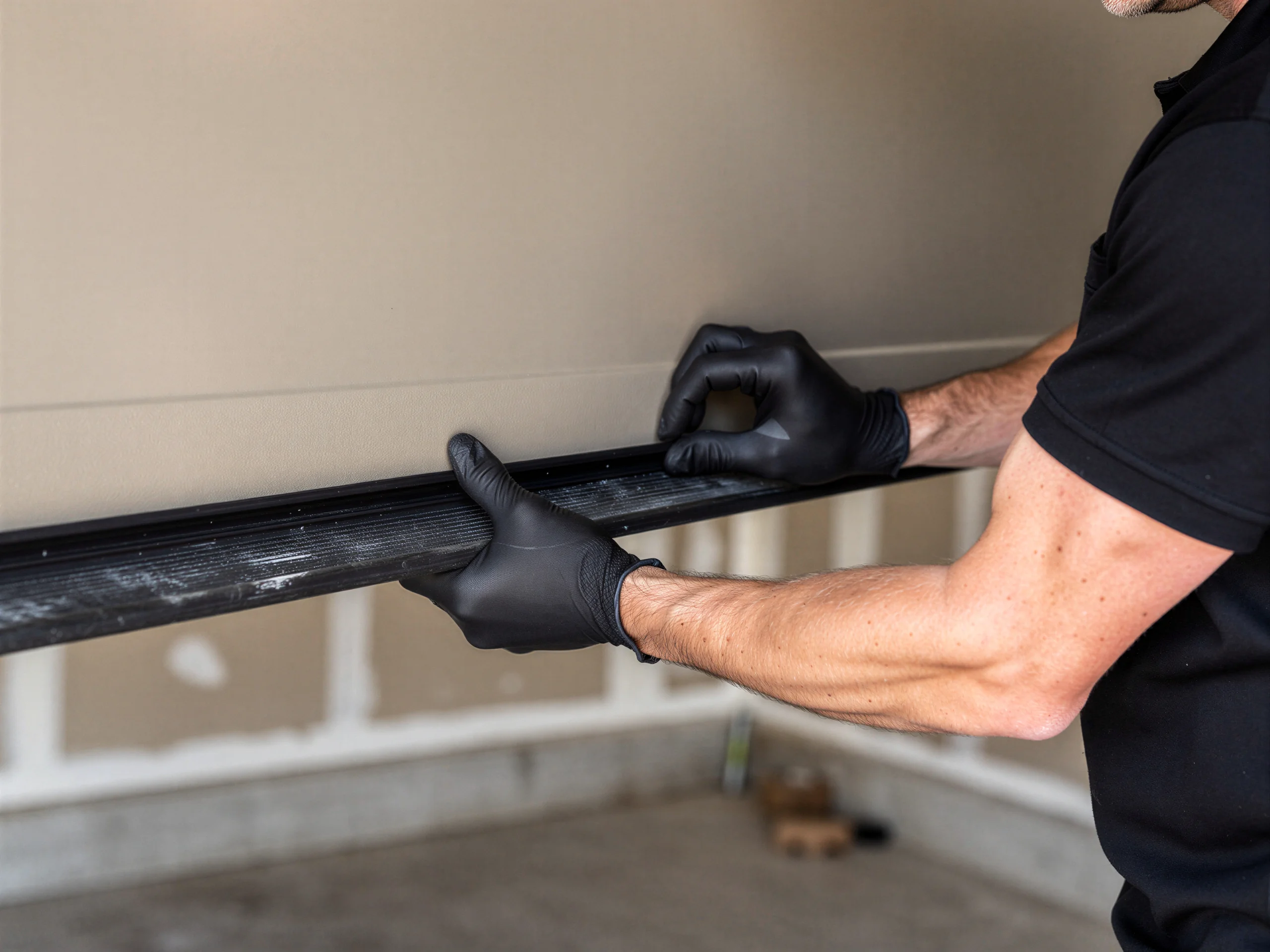
Garage Door Service
Scotts Valley's garage doors mostly date to the 1980s, not the 1960s stock common elsewhere in the hills. Learn more →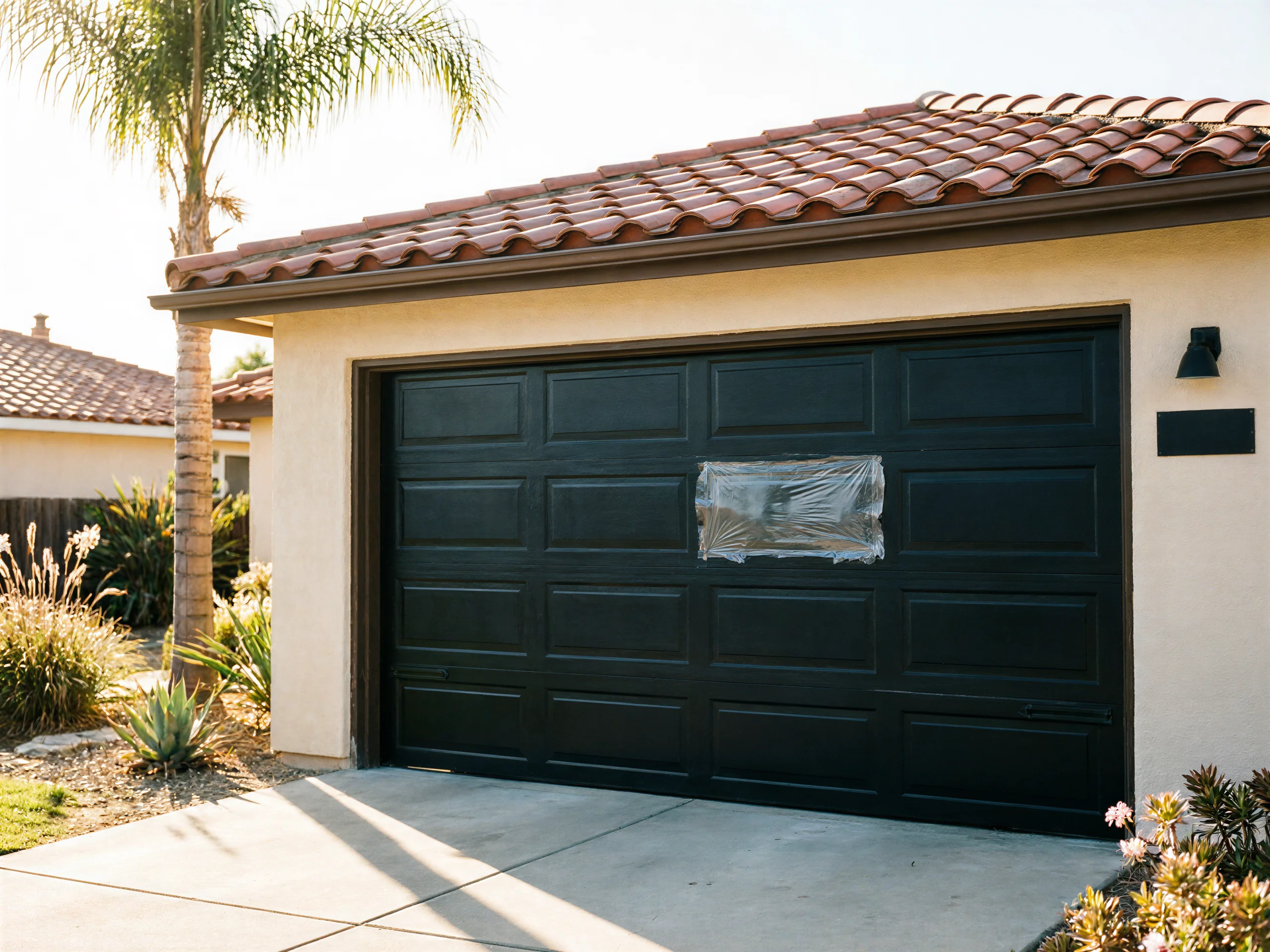
New Door Installation
Scotts Valley homes built mid-1980s need openers and springs matched to that era. Learn more →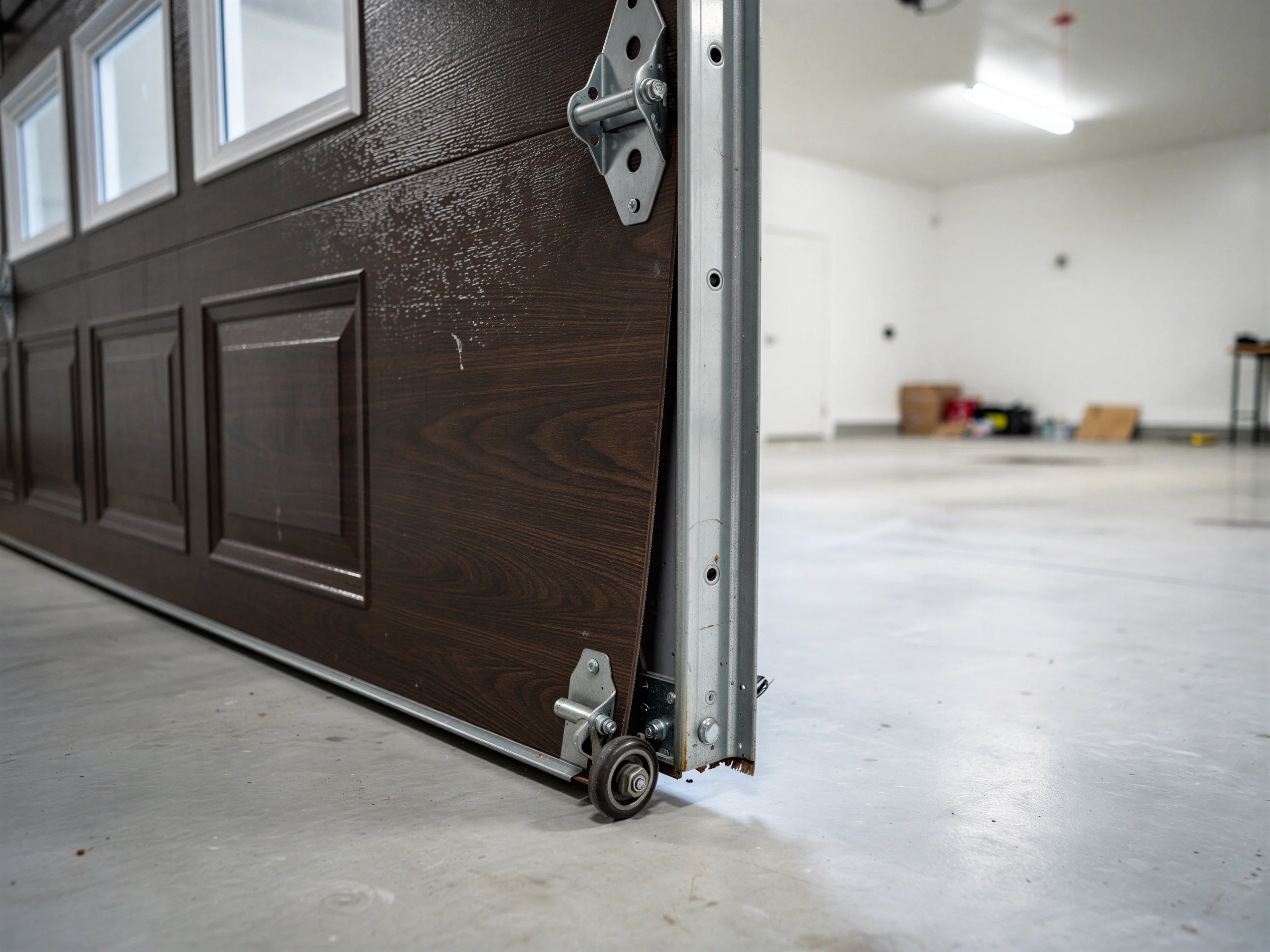
Off Track Repair
Scotts Valley homes date to 1985 on average, newer than most of the service area, with lighter two-inch track prone to a specific off-track fault. Learn more →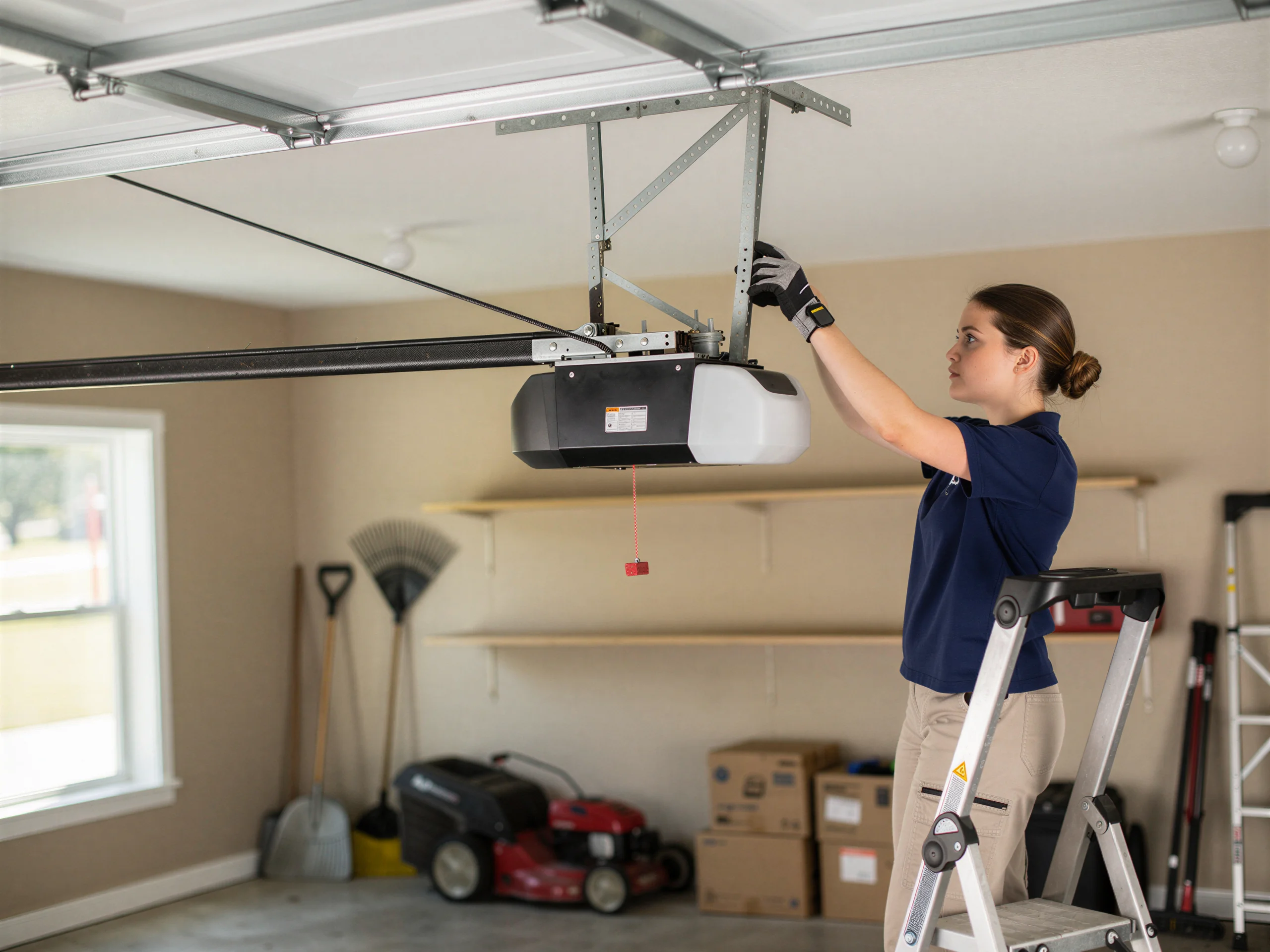
Panel Replacement
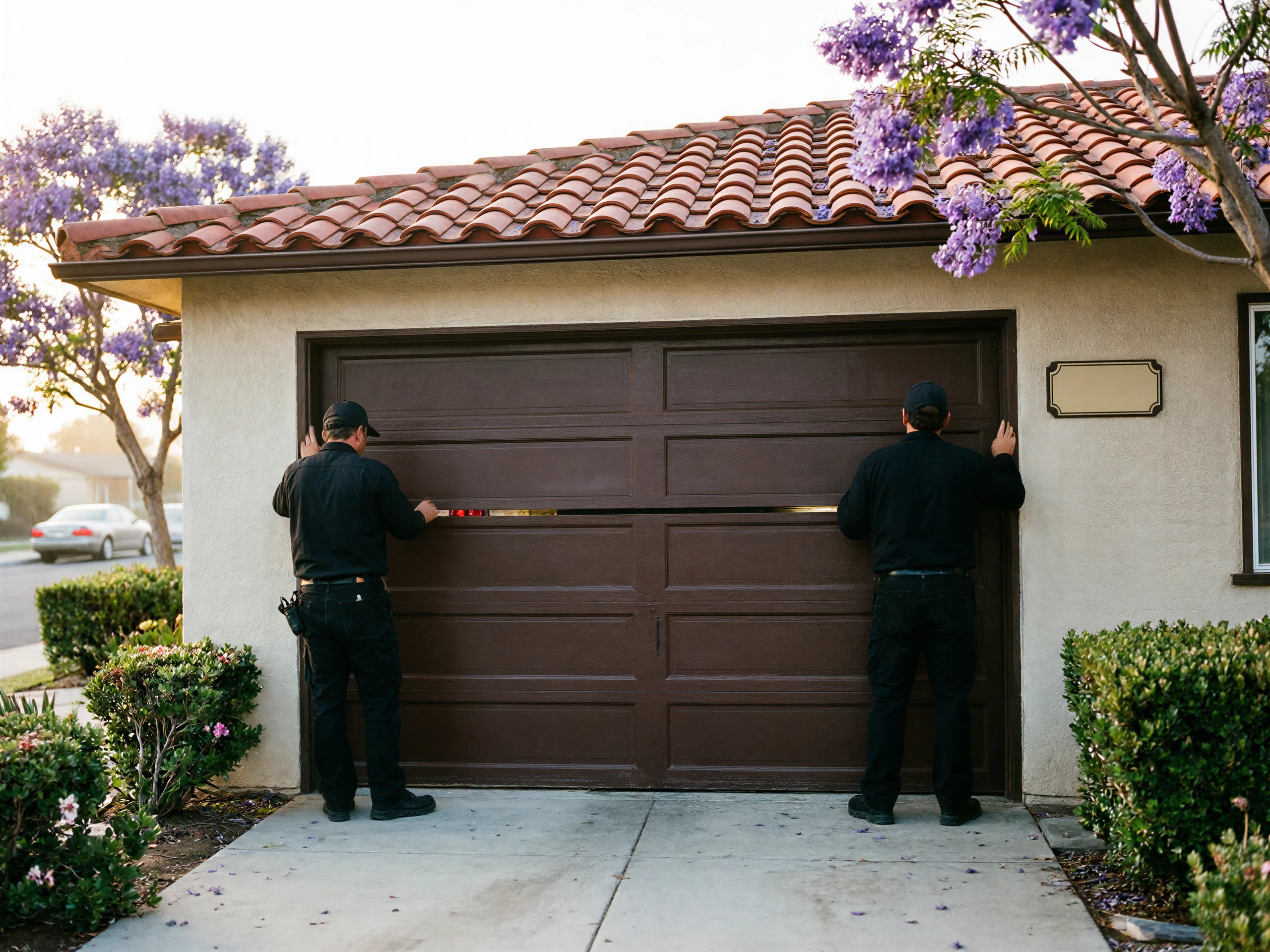
Scotts Valley homes mostly went up around 1985 with steel sectional doors, not the wood slab stock of older Santa Cruz streets. Learn more →Ready when you are
Need a garage door sorted in Santa Cruz?
Santa Cruz Garage Door Pros repairs and installs garage doors, springs and openers in Santa Cruz, CA and the surrounding area.