
Soquel, Santa Cruz
Garage Door Panel Replacement for Soquel's Mid-1970s Doors
Soquel's houses mostly went up in the mid-1970s, a few years past the area median. We match panels to that era's steel sectional doors, driving out from Santa Cruz.
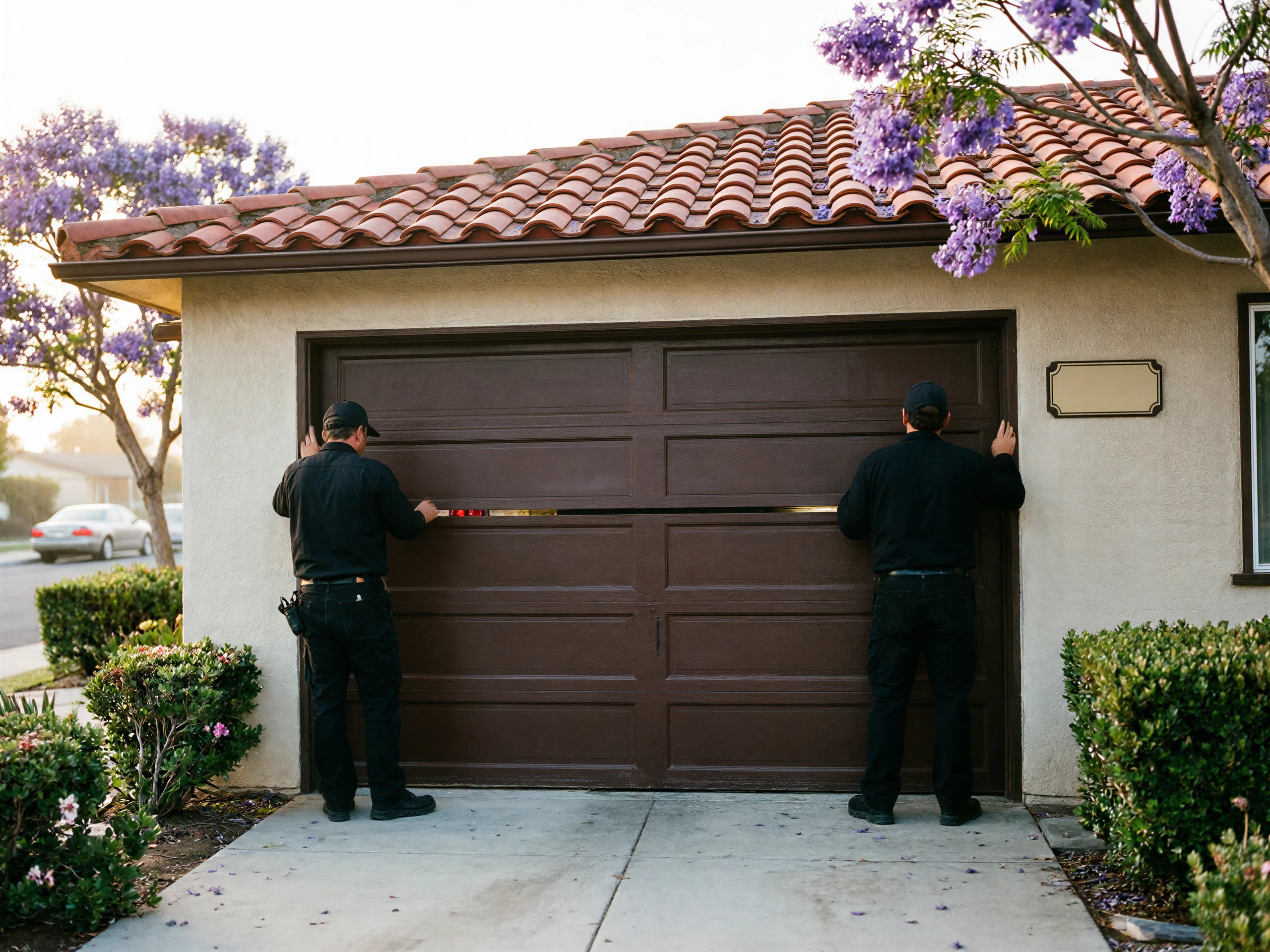
What the Repair Takes
Most houses in Soquel went up around 1977, a few years later than the wider service area's median of 1972. That gap matters: doors from the early '70s and before were often flush wood or early steel flush panels, while 1977-era construction more commonly got galvanized steel sectional doors with raised or ribbed panel faces, already on roll-formed track rather than the older flat track.
Raised-panel steel matching
When a panel on one of these doors gets dented or cracks, we're usually matching a raised-panel steel section, not a flat wood one. The job is pulling the damaged section, unbolting the hinges and rollers from it, and bolting them onto the new panel before it goes back on track.
Bottom section only
On a double door, if only the bottom section took the hit - a car bumper, a trash can, a mower - we replace that section alone rather than the whole door, as long as the replacement panel is still made in a matching profile.
Mismatched panels bind rollers
What we won't do is force a panel that doesn't match the existing section height or hinge pattern just to finish the job faster. A mismatched panel binds the rollers and shortens the life of everything around it.
How Long It Takes
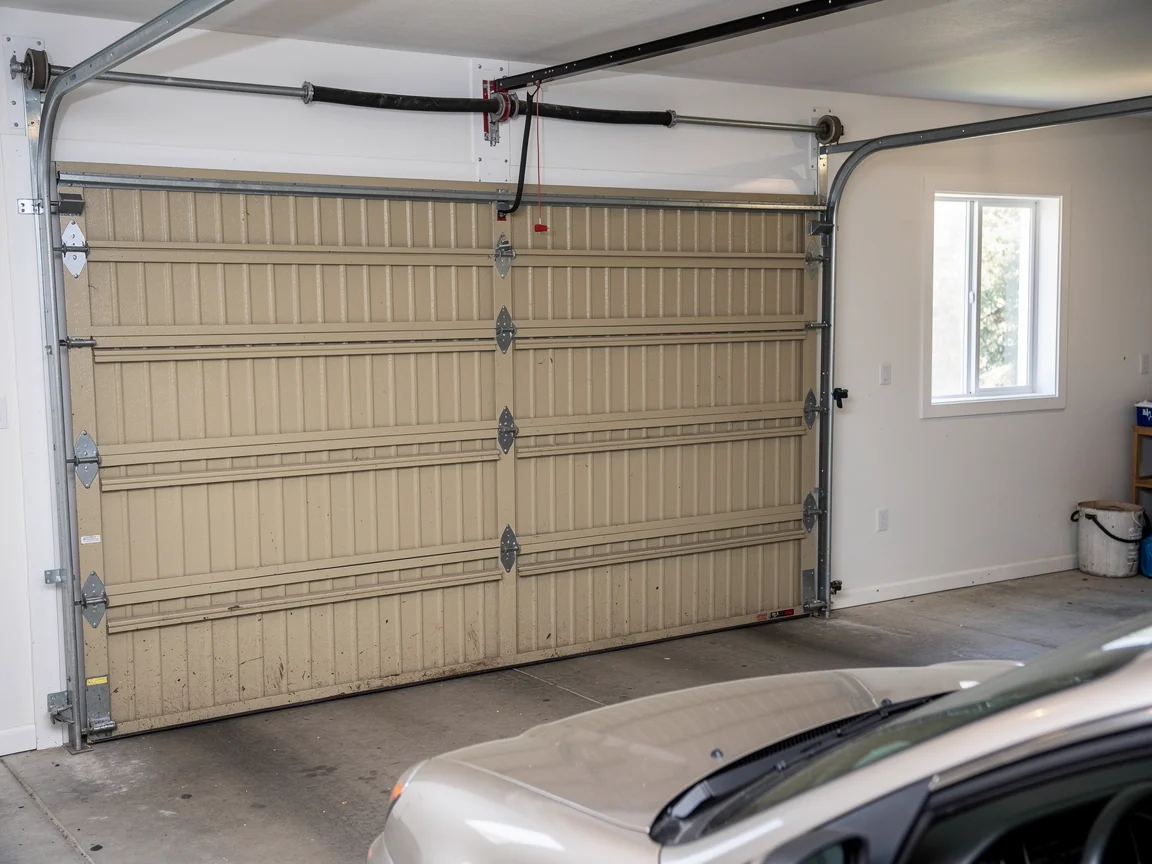
A single-section swap on a standard double door, with the panel on hand, usually runs under two hours once the truck's on site - removing the damaged section, transferring hardware, rehanging, and balancing the door against the spring. Soquel sits about 5 miles from our Santa Cruz base, so travel time here is short and doesn't eat into the job itself.
What adds time isn't the install, it's sourcing. If the panel profile is an older style no longer stocked - more likely on a door that predates the 1977 build-out than one from it - we're ordering from a supplier, and that can push the job out by days rather than hours. We'll tell you on the first visit whether your panel is a stock match or a special order, so you're not guessing.
Why This Fails Locally
Soquel's climate sits in the mild temperate band that covers the whole area - no hard freezes, no extreme humidity swings. That cuts one failure mode most panel-replacement jobs elsewhere deal with: rust-through at the bottom seam. We don't see much of that here.
What we see instead is UV and age fatigue in the foam-core panels that came standard on doors from the mid-1970s build wave. Decades of sun exposure dry out the foam core and the steel skin delaminates from it, so the panel looks fine from six feet away but flexes or booms when it moves. That's a panel problem, not a spring or opener problem, and it's specific to the age of door that's common on this side of the service area - a door built in the 1950s has different failure habits, and a door built in 2005 mostly doesn't have this issue at all.
Dents are the other common call - usually one section, usually low on the door, usually from something backed into it rather than weather.
Doing It Yourself
A single panel on a sectional door is bolted to its neighbors through the hinges, and in theory you can unbolt one section and swap it without touching the spring system at all - no stored tension to release if you leave the torsion spring alone.
Careful homeowners can try
That's the one part of this job that's genuinely within reach for a careful homeowner with the right panel in hand. Where it goes wrong is matching the panel.
Width, hinge, gauge mismatch
Order the wrong width, wrong hinge spacing, or wrong steel gauge and you'll fight the door every time it moves afterward - it'll bind on the track or won't sit flush against its neighbor.
Wrong section pulled first
We've also seen owners pull the wrong section first and knock the door out of square, which then needs a full rebalance. If you're not sure the replacement panel matches what's already on the door, it's worth a call before you start unbolting anything.
What Is on the Truck
For panel jobs in this area we carry steel sectional panels in the common raised and ribbed profiles that match 1960s-70s builds, plus the hardware that goes with a section swap - hinges, roller brackets, and the fasteners that don't always survive removal cleanly. We don't carry every discontinued wood-panel profile from the oldest houses in the service area; those sometimes have to be special-ordered, and we'll say so up front rather than jury-rig a fit.
We also bring a level and a straightedge to check the door's square after the new section goes in - a panel that's the right size but installed slightly out of plumb will still drag on the track, and that's an easy thing to miss if you're rushing.
The Cost of This Job
Soquel's median household income runs $114,991, below the wider service area's $128,163, and in practice that shows up as more single-panel repairs and fewer full-door replacements on calls out here - owners fixing the section that failed rather than swapping the whole door. We price the job on what the panel and labor actually run, not on a flat number, and we'll quote it before we start so there's no surprise when the invoice shows up.
Questions
Common questions
Can you replace just one panel on my garage door instead of the whole door?
Usually, yes, if the rest of the door is sound and we can get a matching panel profile. On a double sectional door this is common - we pull the damaged section, move the hinges and rollers over, and bolt the new one in. If the door's an older discontinued profile, matching gets harder and we'll tell you honestly if full replacement makes more sense.
Why does my panel look fine but boom and flex when the door moves?
That's usually a foam-core panel delaminating from age and sun exposure, common on doors from the 1970s building wave in this area. The steel skin separates from the foam inside, so the panel still looks straight but no longer holds its shape under load. It's a panel issue, not a spring or opener issue.
Do you keep panels in stock or do you have to order them?
We carry common steel sectional profiles that match the raised and ribbed panels typical of 1960s-70s construction. Older wood-panel styles or discontinued profiles sometimes need to be special-ordered, which adds days rather than hours to the job. We'll know which category your door falls into after a look at it.
Explore more
More Services in Soquel
Emergency Garage Door
Soquel homes built mostly in the mid-1970s carry different opener and spring hardware than older Santa Cruz stock. Learn more →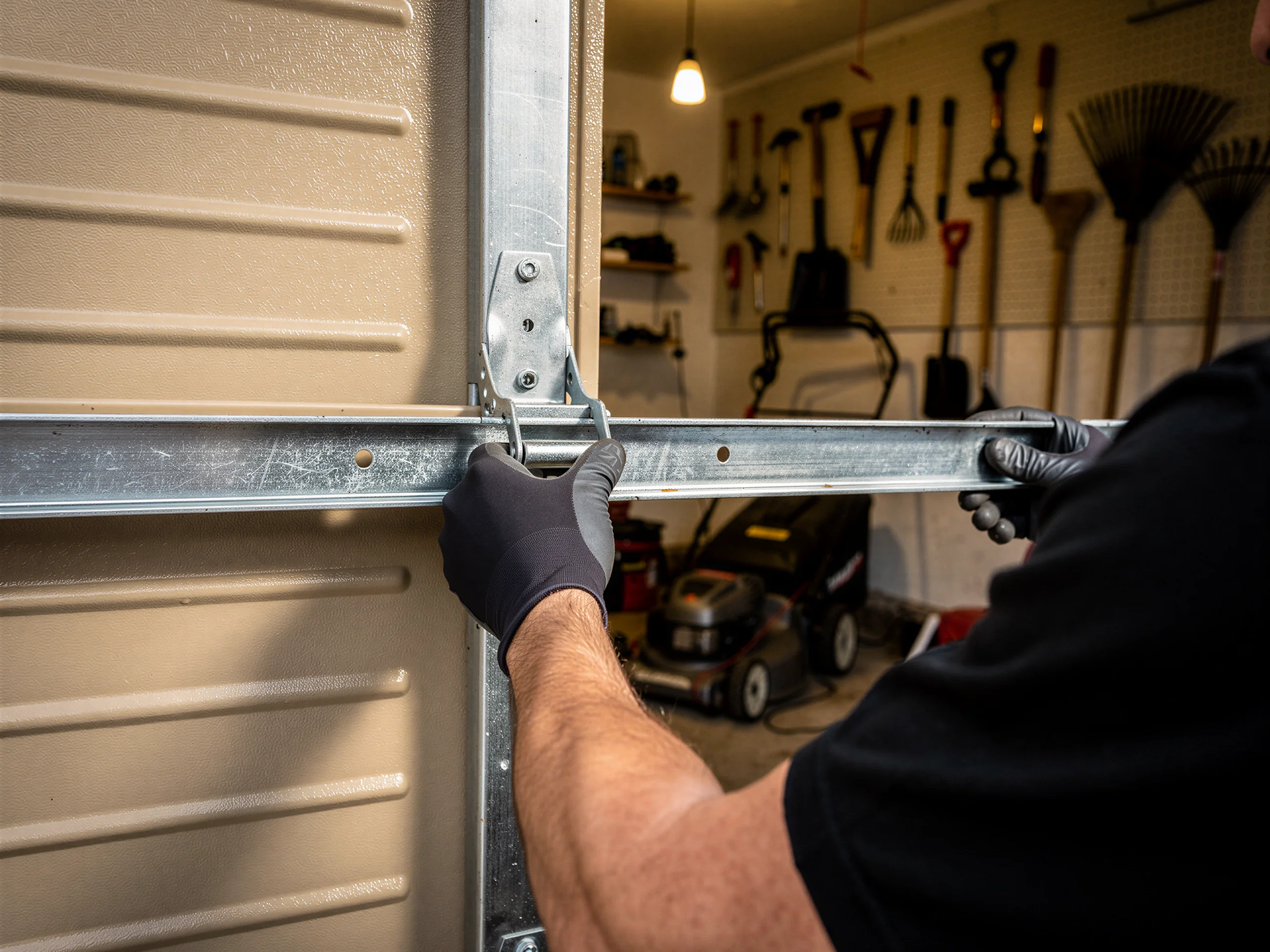
Garage Door Repair
Garage door repair for Soquel homes built mostly in the 1970s, covered from Santa Cruz five miles away. Learn more →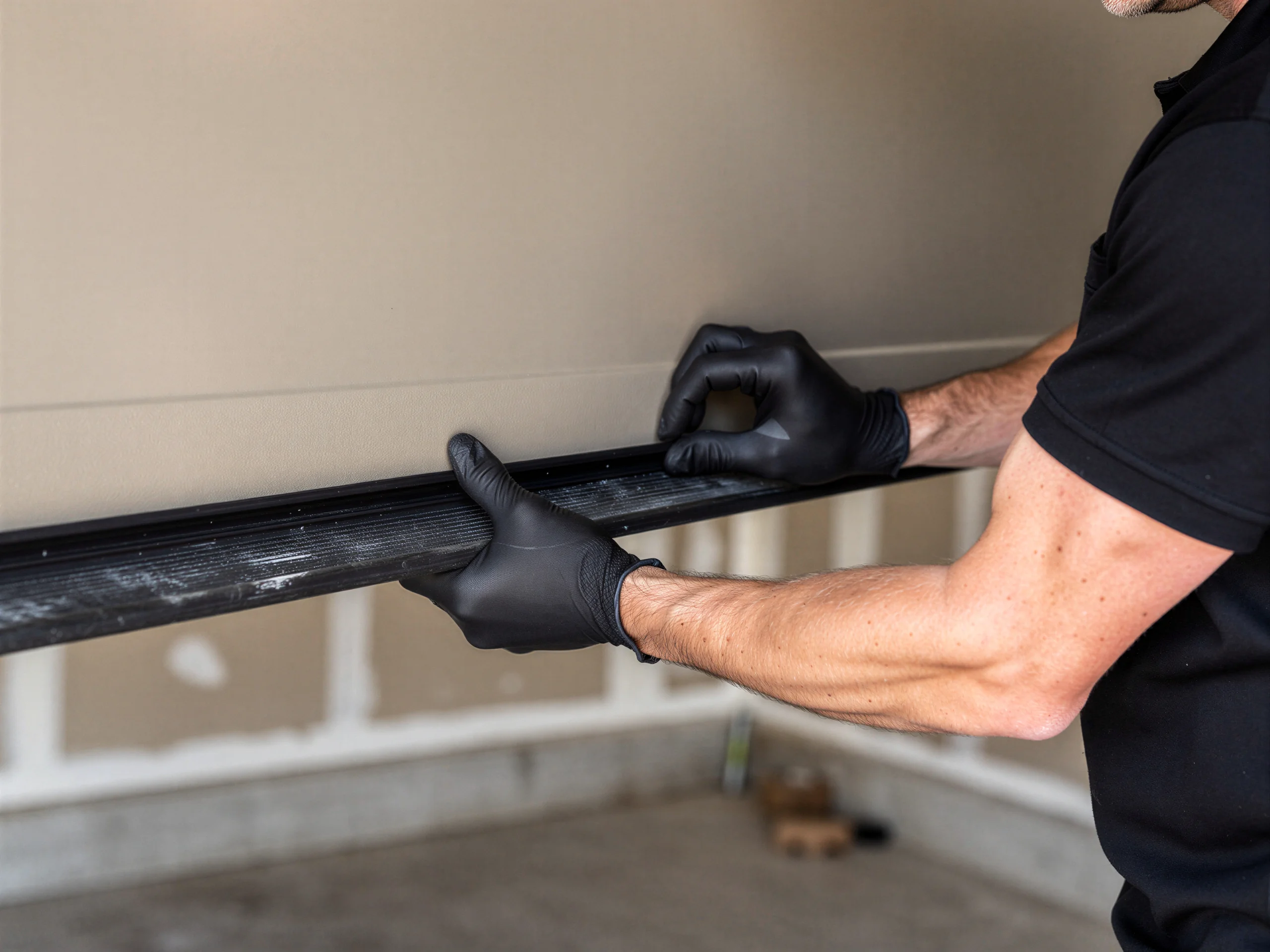
Garage Door Service
Soquel homes went up mostly in the 1970s, five miles from our Santa Cruz shop. Learn more →
New Door Installation
New garage door installation in Soquel, CA, where household income runs about $114,991 and most houses date to 1977 - the numbers that decide repair versus replace here. Learn more →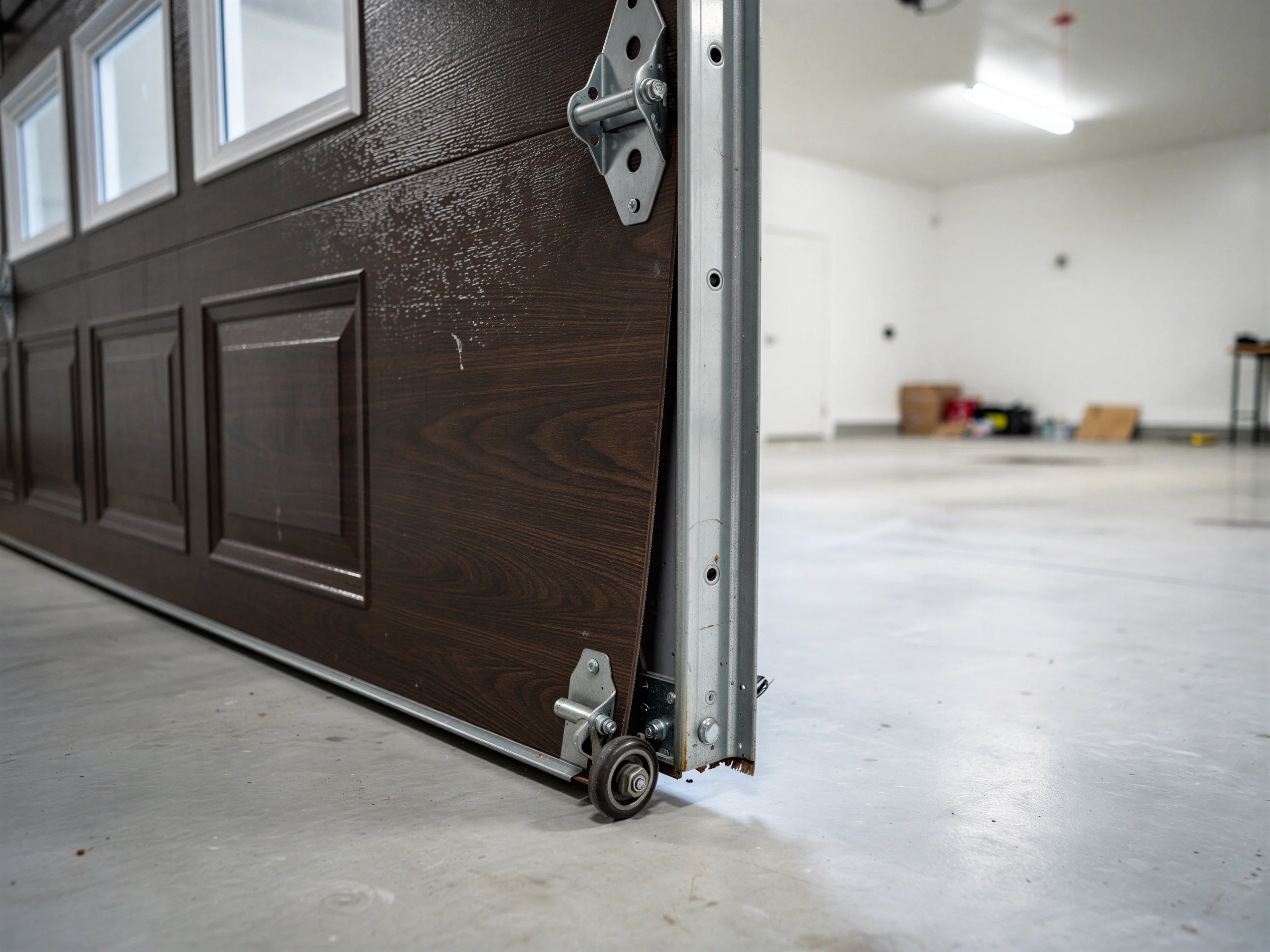
Off Track Repair
Soquel homes built around 1977 have track hardware prone to coming loose. Learn more →
Opener Installation
Soquel's median home dates to 1977, and a lot of the openers out there have never been swapped. Learn more →
Opener Repair
Opener repair for Soquel's mid-1970s garages, built around 1977 with chain-drive units and aging gears. Learn more →Ready when you are
Need a garage door sorted in Santa Cruz?
Santa Cruz Garage Door Pros repairs and installs garage doors, springs and openers in Santa Cruz, CA and the surrounding area.