
Rio Del Mar, Santa Cruz
New Garage Door Installation for Rio del Mar's 1970s Housing Stock
Rio del Mar homes mostly date to the early 1970s, which means original steel doors on hardware nobody stocks. We install from Santa Cruz, 8 miles out.
How Long It Takes
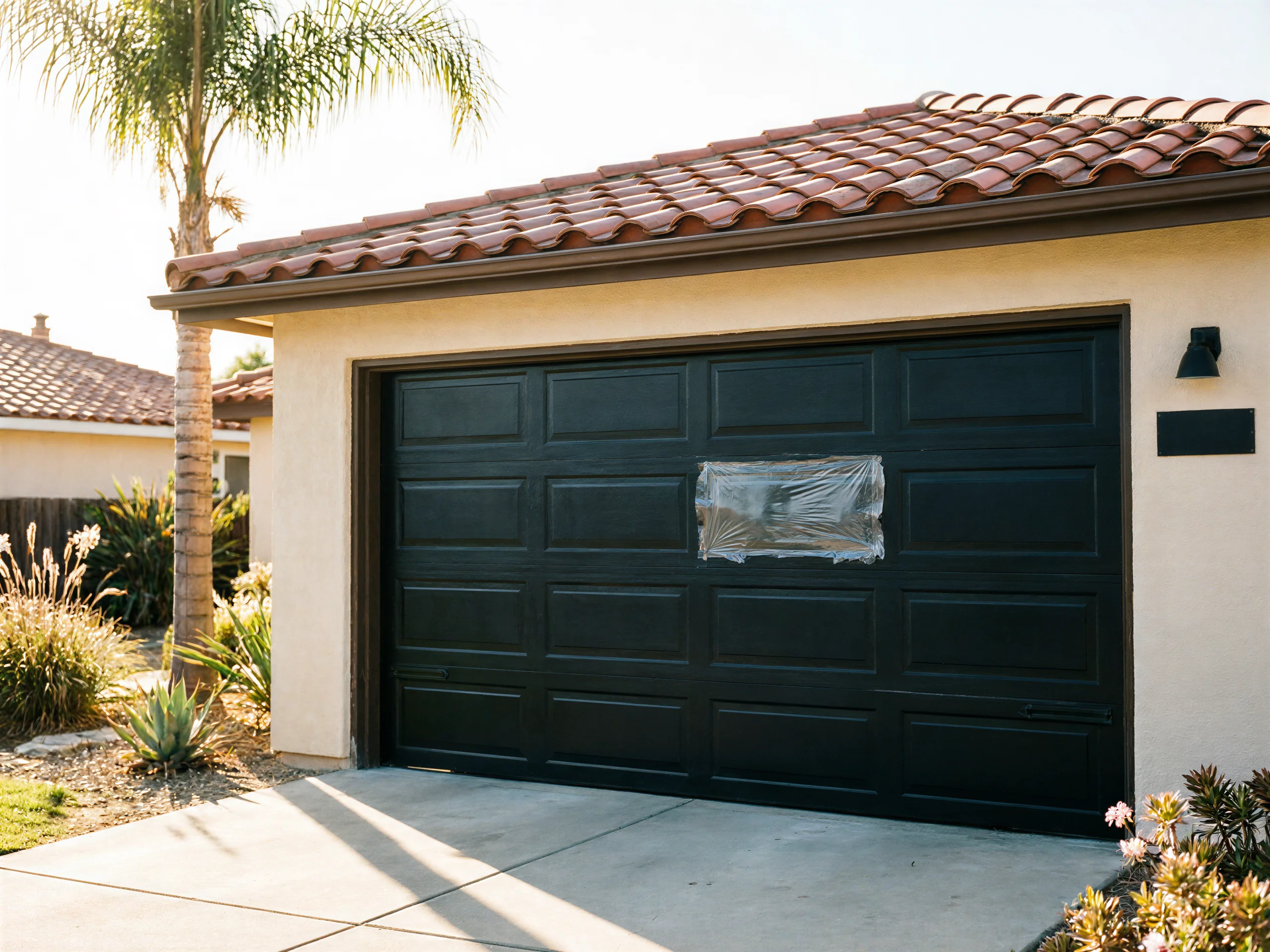
Most of what we see in Rio del Mar is a door that's never been replaced since the house went up, somewhere around 1973. That's not an estimate we're guessing at for your street specifically - it's the pattern across this whole stretch of the coast, where houses built between 1951 and 1985 share the same first-generation steel sections and the same narrow track clearances.
Single-visit swap steps
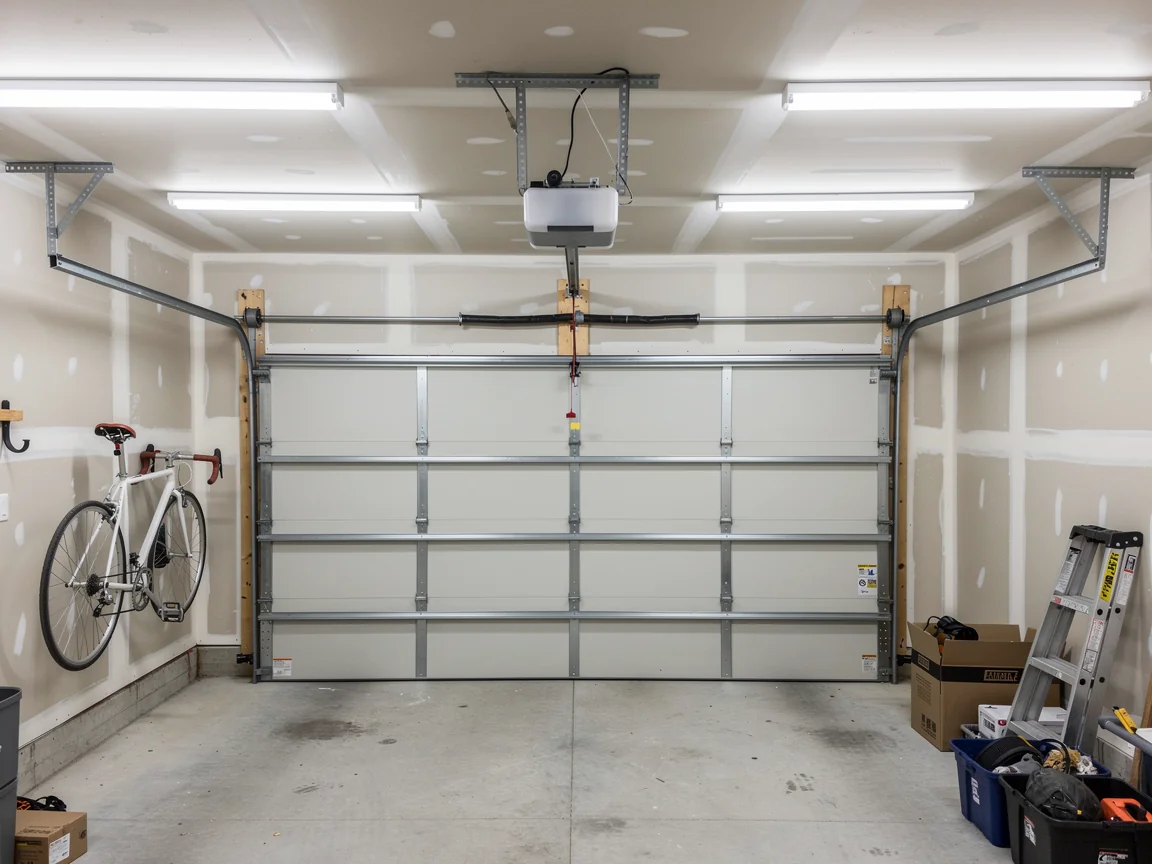
A straight swap, same size opening, same header, usually runs a single visit: pull the old door and track, set new jamb brackets if the wood has shifted (common at this age), hang the new sections, balance the springs, mount the opener.
Reframing takes extra time
If the opening itself needs reframing - which happens more often here than in newer subdivisions, because the original framing was built to 1970s code, not current wind and seismic standards - that adds time.
Predictable coastal schedule
We tell you on the walk-through, not after we've started cutting. A mild coastal climate means we're not fighting humidity swells or hard freezes on install day, which keeps the schedule predictable once we're on site.
Getting It Booked In
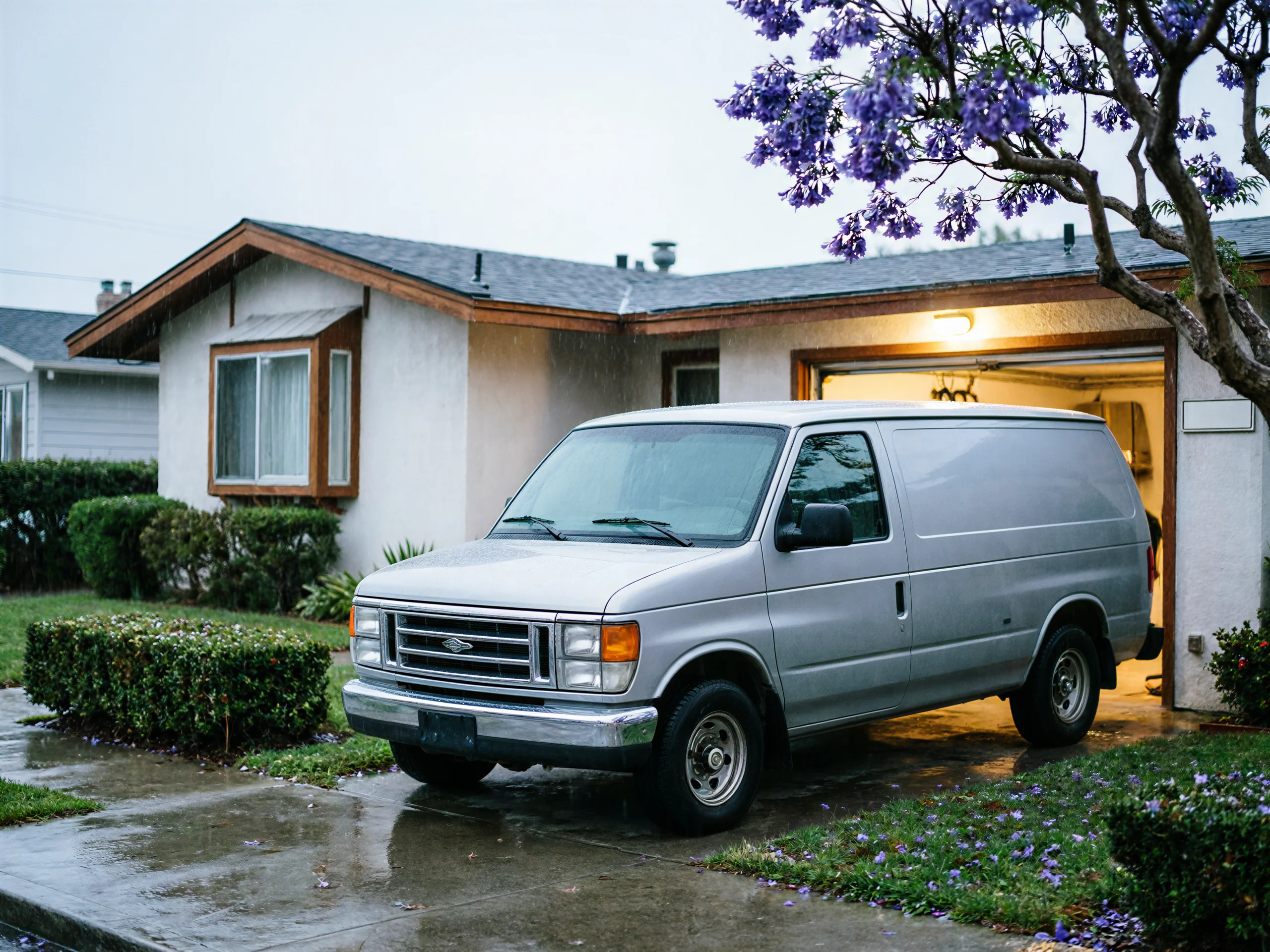
We run out of Santa Cruz, about 8 miles from Rio del Mar, so booking means putting you on the truck route for that day rather than a same-hour drop-in.
Quotes from photos
That's a real limitation and we'd rather say it than pretend otherwise. Once we've got your opening width, header height, and a photo of the existing track and spring setup, we can quote without a site visit for a straightforward replacement.
Eyes on original framing
For anything where the framing looks original to the house - which at this age is common - we'll want eyes on it before we commit to a number.
Done once, done right
Rio del Mar homeowners we talk to tend to want this done once and done right rather than patched twice, and the household income here supports that: median is over $150,000, well above the wider service area, so most people here are choosing full replacement with a better-insulated door rather than a cheap swap. We work that into scheduling - fewer callbacks, more time per job to get the balance and seal right the first time.
What Is on the Truck
For a 1973-era opening, the parts list looks different than it does for a house built in the 2000s. We carry torsion springs sized for the heavier, uninsulated steel sections that were standard through the 1970s, along with jamb brackets and header reinforcement for framing that's never been touched.
No legacy openers reinstalled
Original openers from this era, if they're even still running, are chain-drive units with none of the safety reversal sensors that have been code since the late 1990s - we don't reinstall those, full stop.
Insulated steel or composite
New doors we hang here are usually insulated steel or composite, since the mild temperate climate along this part of the coast doesn't demand heavy insulation for heat, but it does matter for sound and for keeping salt air off bare steel over time.
Wood doors special order
We don't carry wood doors as standard stock; if you want one, that's a special order with a longer lead time, and we'll tell you that up front rather than quote a date we can't hit.
Why This Fails Locally
The failure we see over and over in Rio del Mar isn't a broken spring out of nowhere - it's a door and track system original to a house built around 1973, now asked to run on hardware that was never designed for 50 years of cycles. The springs lose tension unevenly because they were sized for a lighter original door, not whatever's been bolted on since. Tracks mounted to framing from that era shift slightly as the house settles, which throws the door off-square without anyone noticing until it binds. None of this shows up as an emergency; it shows up as a door that's gotten slow and loud over a couple of years. Swapping the door alone without addressing track alignment on a house this age just moves the problem onto the new door. That's the piece a straight panel replacement misses, and it's specific to how these houses were built, not a general garage door issue.
The Symptom
What you'll notice first is usually the door hesitating partway up, or needing a shove to get past the same spot every time. On a house from this era that's almost always the spring compensating for track misalignment, not a spring that's simply worn out - which is why a straight parts swap sometimes doesn't fix it. You might also notice the door sitting slightly crooked when fully closed, a gap wider on one side than the other. That's framing settlement, common across the 1970s-built stretch of Rio del Mar, and it's worth mentioning to whoever quotes you, because it changes whether a repair holds or just buys you another year before the whole thing needs replacing anyway.
Questions
Common questions
Why does my original 1970s door feel heavier to lift than a new one?
Steel sections from that era weren't insulated and used heavier gauge panels than most doors built today. The springs on the truck are sized to match that older weight, which is one reason we check the actual door before quoting a spring swap rather than guessing from the model year alone.
Do you have a local branch in Rio del Mar?
No. We run out of Santa Cruz, about 8 miles away, and schedule Rio del Mar jobs onto the truck route rather than offering same-hour drop-ins. For a planned installation that's rarely an issue, but it's worth knowing before you book.
Will you reuse my existing opener?
If it's a chain-drive unit from the original install with no safety reversal sensor, no - that's not something we'll put back on a new door regardless of how it's running now. Anything newer with working safety sensors, we're happy to reuse if it still tests correctly.
Does the coastal air here mean I need a different door material?
The climate along this stretch is mild, so insulation for temperature isn't the main driver. Salt air exposure over decades does matter for bare steel, which is part of why most replacements here go with a coated or composite finish rather than raw steel.
Explore more
More Services in Rio Del Mar
Emergency Garage Door
Rio del Mar homes mostly date to 1973, and original torsion hardware from that build year is still the most common cause of a broken spring or dead opener call. Learn more →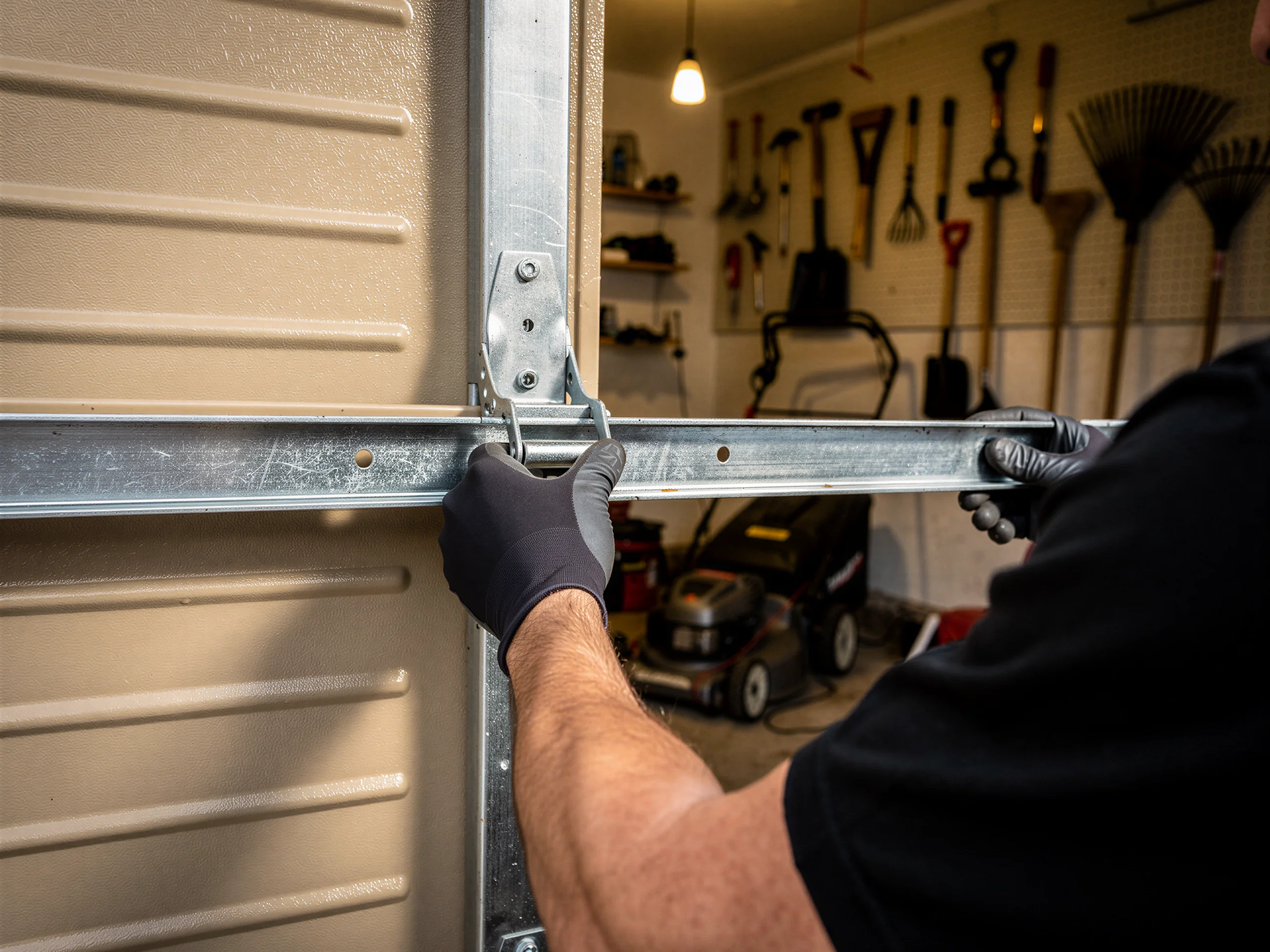
Garage Door Repair
Rio del Mar homes date to the early 1970s, and at a $150,313 median income the repair-vs-replace math looks different than it does elsewhere in the service area. Learn more →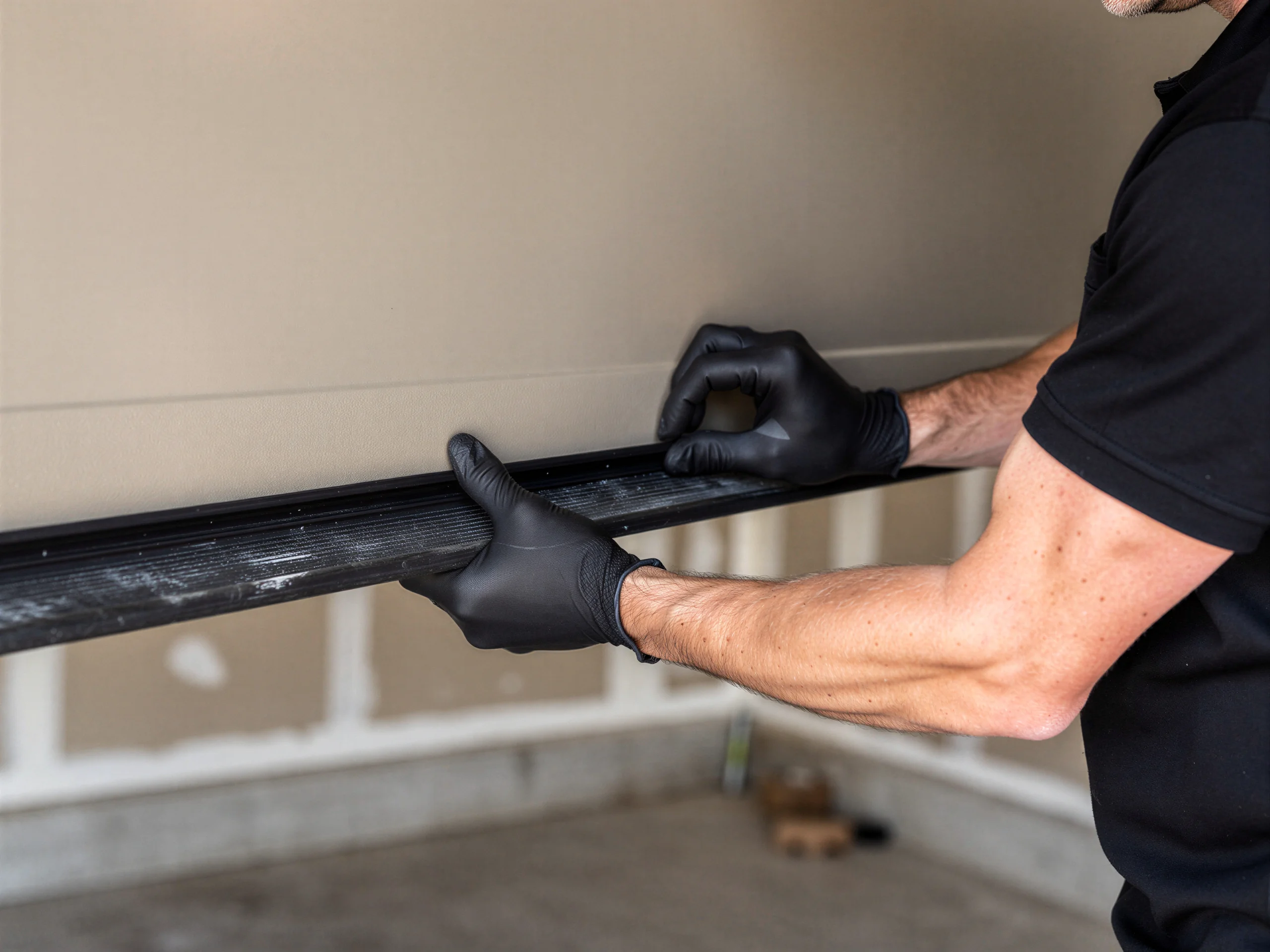
Garage Door Service
Rio del Mar homes median out at 1973 build - a different hardware generation than the rest of the Santa Cruz service area. Learn more →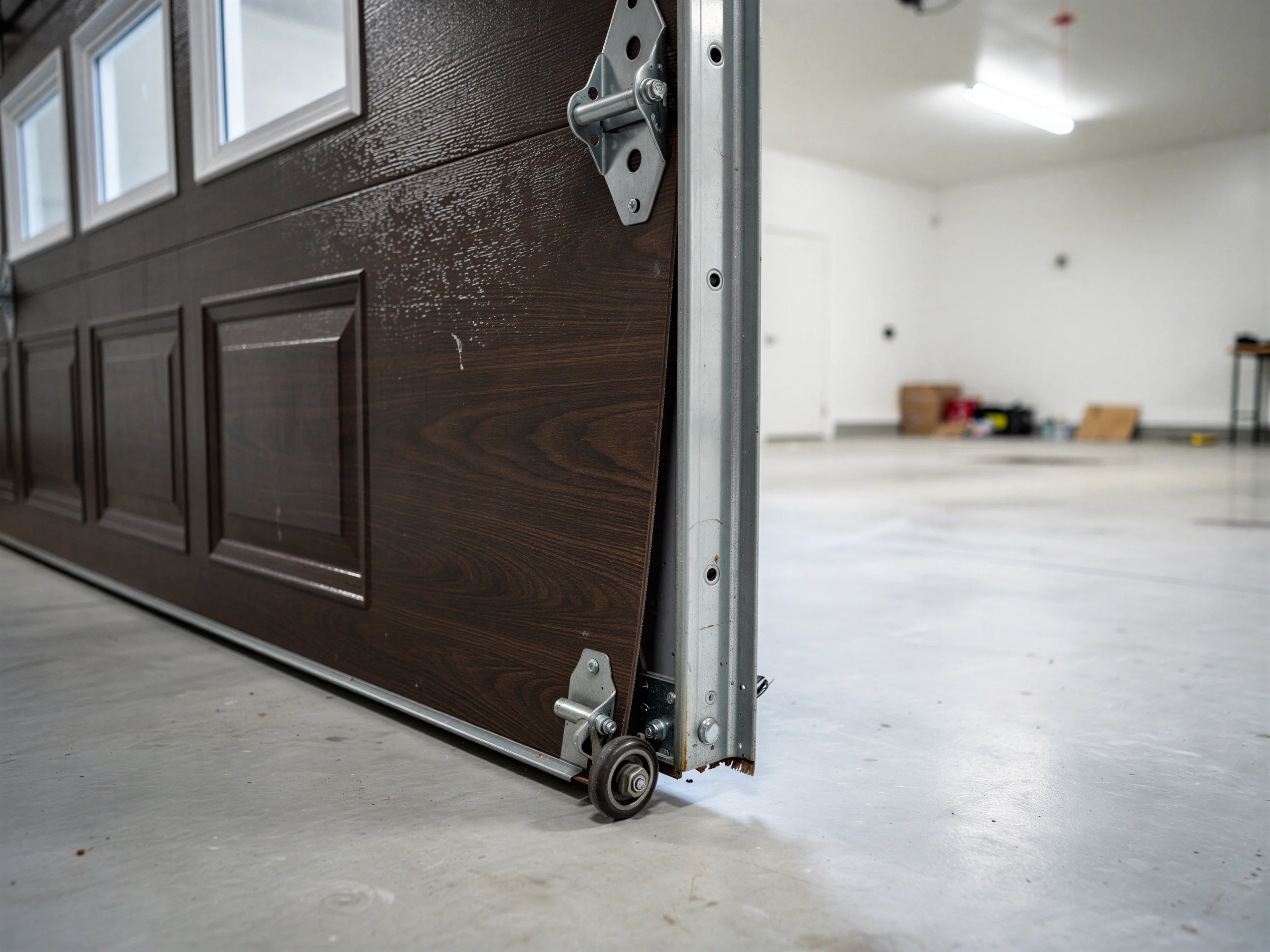
Off Track Repair
Rio del Mar homes date mostly to 1973, with steel sectional doors on aging track hardware. Learn more →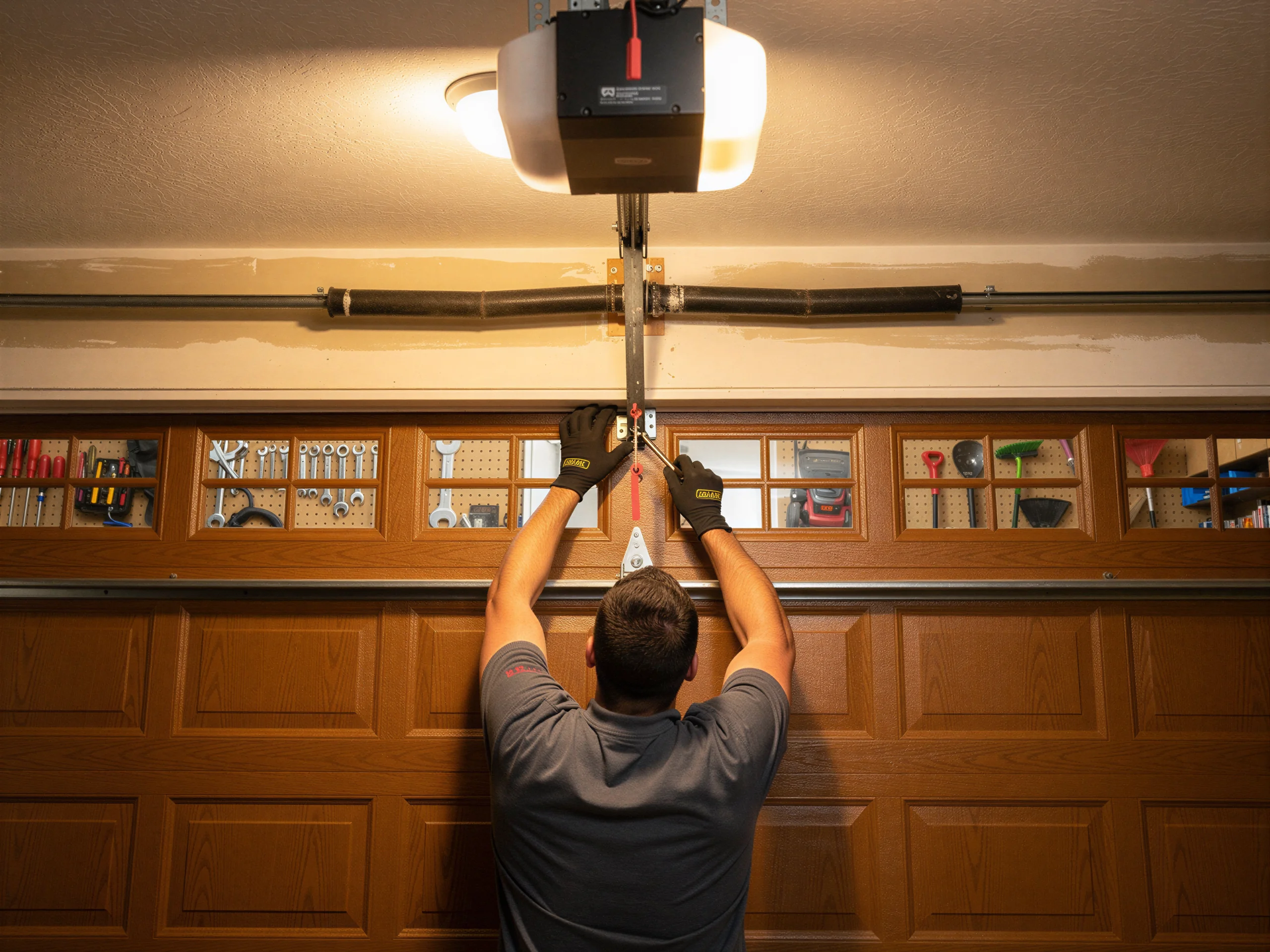
Opener Installation
Rio del Mar homes mostly went up in the early 1970s with builder-grade openers long since retired. Learn more →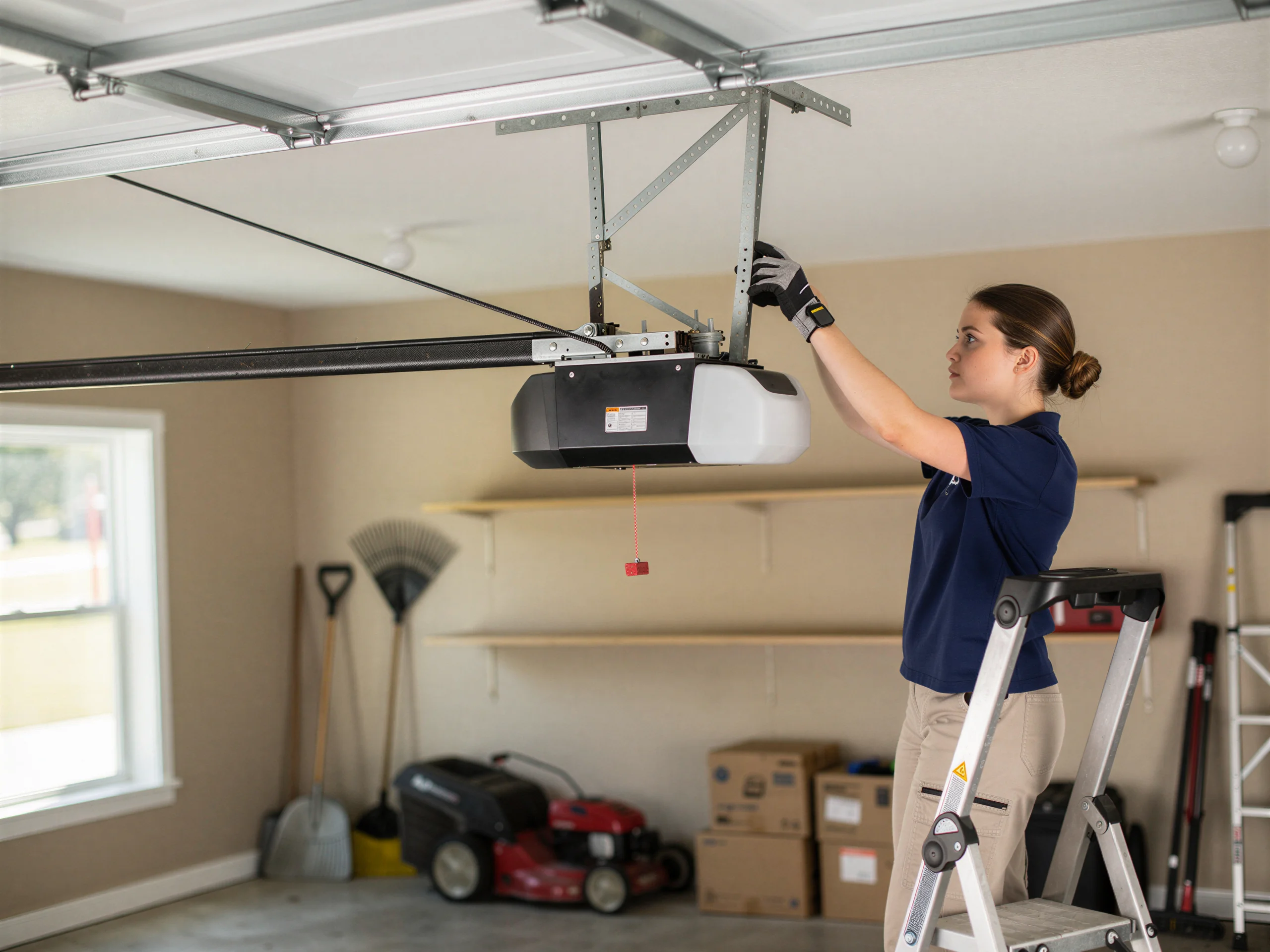
Opener Repair
Eight miles from our Santa Cruz shop, Rio del Mar's early-70s houses run openers that are older than the warranties on most repair parts. Learn more →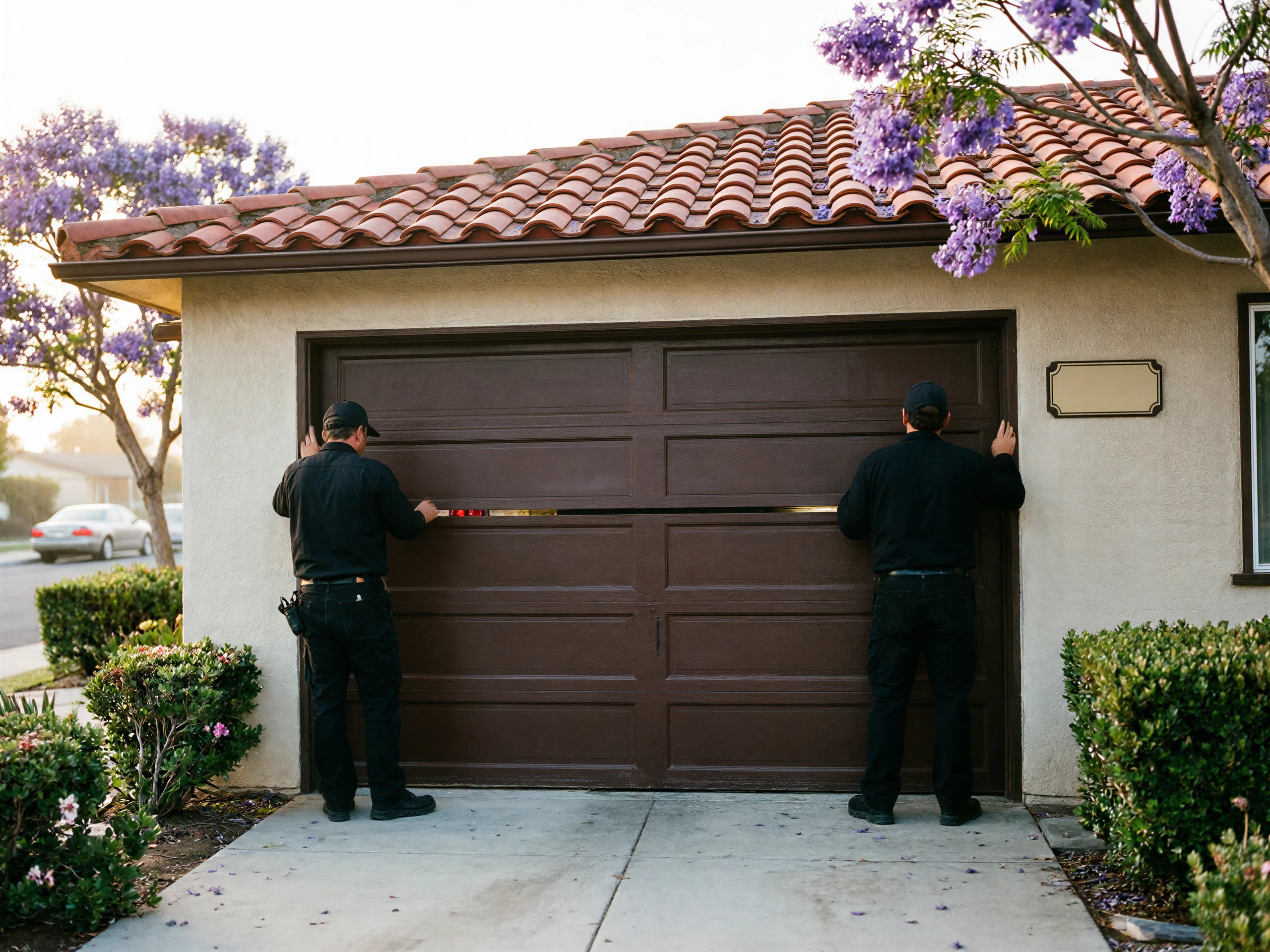
Panel Replacement
Rio del Mar homes built around 1973 often need mismatched steel panels replaced one section at a time. Learn more →Ready when you are
Need a garage door sorted in Santa Cruz?
Santa Cruz Garage Door Pros repairs and installs garage doors, springs and openers in Santa Cruz, CA and the surrounding area.