
Rio Del Mar, Santa Cruz
What Panel Replacement Looks Like in Rio del Mar
Rio del Mar homes built around 1973 often need mismatched steel panels replaced one section at a time. See what the Santa Cruz crew brings for this job.
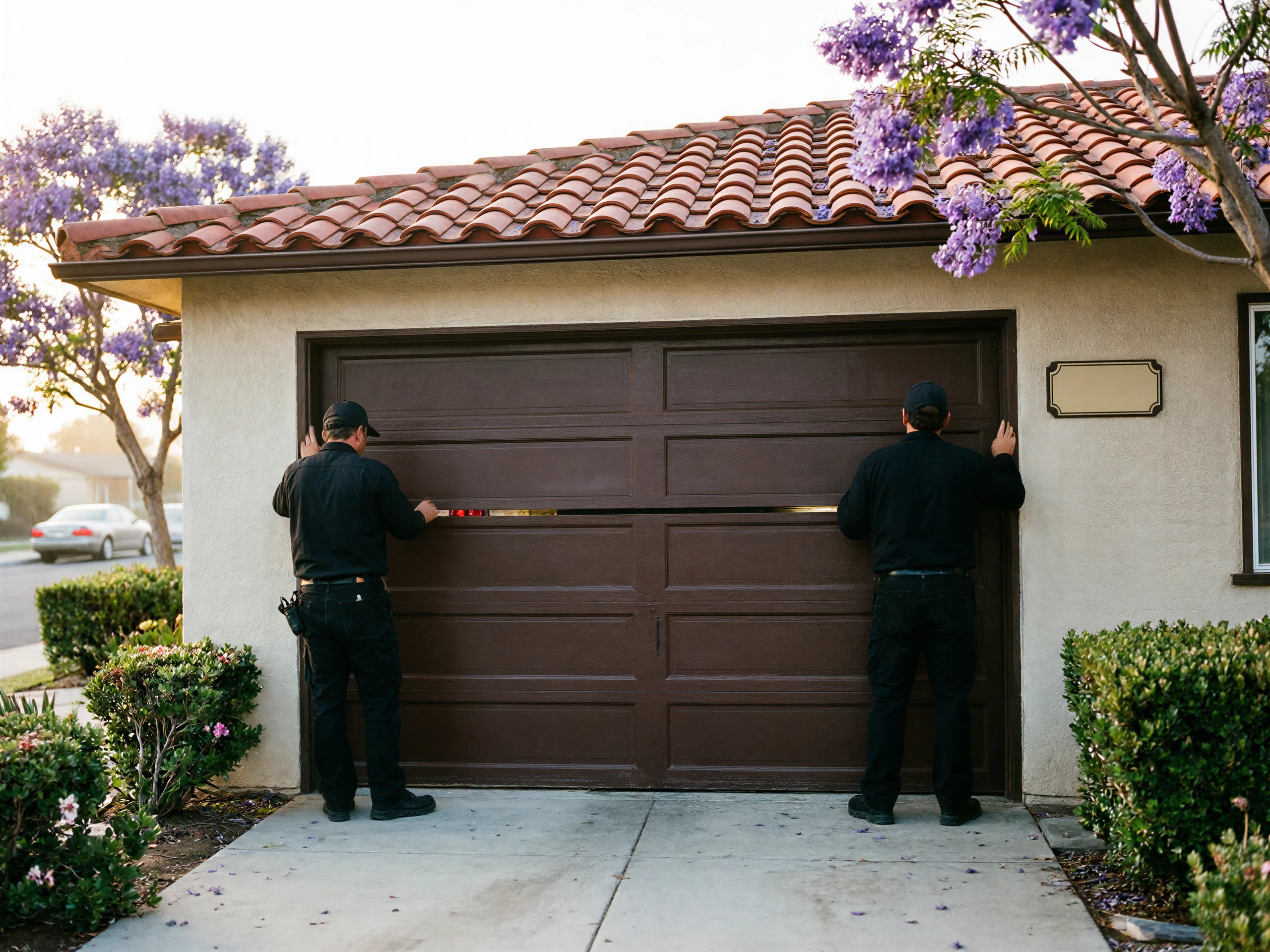
How Long It Takes
Rio del Mar has about 3,779 households, a small slice of the 74,988 across the wider service area the crew covers out of Santa Cruz.
No local panel stock
That size means there's no local shop stocking spare panels for this stretch of coast between Aptos and Opal Cliffs - everything comes out already loaded on the truck in Santa Cruz, then the eight miles out to Rio del Mar. For most jobs here, the drive itself is a fixed cost, not something that shrinks on short notice.
Confirm height and embossing
The parts side matters more than the mile count. If a homeowner's door dates to the early 1970s, which the median build year of 1973 for this stretch suggests many do, the crew needs to confirm panel height and embossing pattern before committing to the trip, since a mismatched curve or grain line won't sit flush against the surrounding sections.
Out-of-production profiles
One honest limit: if the exact panel profile is out of production, which happens with doors this old, the job turns into a special order and the schedule runs on the supplier's timeline, not ours.
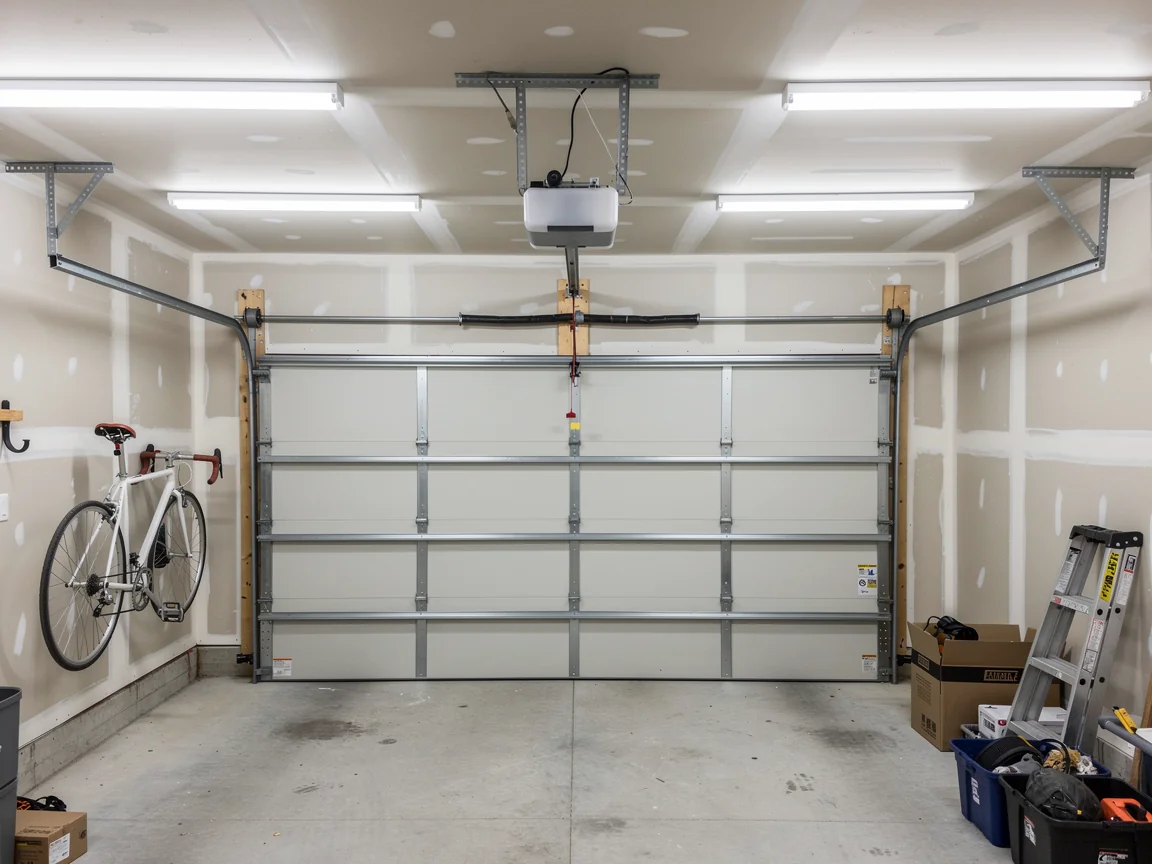
Getting It Booked In
Booking a panel job in Rio del Mar starts with a few questions over the phone or by photo: door brand if it's visible on the end stile, panel width, and roughly how many sections need replacing.
Whole-face matching preference
With a median household income of $150,313 here, a good number of owners decide partway through the call that they'd rather match the whole face of the door in one pass than patch a single faded or dented section next to older, sun-worn panels - that's a different scope and a different visit than a one-panel swap.
Grouped coverage stops
Because the crew is traveling from Santa Cruz, not based in Rio del Mar, jobs here get grouped with other coverage-area stops when possible rather than run as single one-off trips. That keeps the visit efficient but it does mean the exact day isn't always flexible to the hour.
Identify the door first
If the door is a style the crew hasn't carried a panel for before, the first call is about identifying it correctly, not scheduling - getting the wrong panel ordered costs more time than getting the order right the first time.
What Is on the Truck
For a neighborhood built mostly in the 1960s and 70s, the truck carries steel sectional panels sized to the dimensions common from that era, along with the end hinges, stile caps, and fasteners that go with them - not the aluminum or composite panel styles that came later.
Narrower panel heights
Doors from 1972-73 construction often use a narrower panel height and a different rib spacing than doors built even ten years later, so panel stock has to be matched to the house, not just the opening width.
Touch-up paint matching
The crew also carries touch-up paint matched to common factory finishes from that production period, since a single new panel dropped next to three decades of sun exposure rarely matches color straight out of the box.
Measure-and-order visits
What isn't on the truck: panels for every discontinued profile ever made. If a door uses a pattern the manufacturer stopped producing, the visit becomes a measure-and-order trip rather than a same-day swap - that's the honest limit on what shows up ready to install.
Why This Fails Locally
Rio del Mar sits in a mild temperate climate band, which means the doors here aren't failing from freeze-thaw cracking or extreme heat warping the way they might inland. What shows up instead is steady, years-long UV fade and gradual embrittlement of the steel coating on panels that have sat in consistent sun since the early 1970s. A dent or a hard knock on one panel doesn't just damage that section - it exposes how much the surrounding panels have faded compared to the day they were installed.
Because so much of the housing in this part of the service area went up in that 1951-1985 window, with construction here centered around 1973, a lot of these doors are original or close to it. That means the panel profile itself, not just the paint, is old enough that it doesn't match what current manufacturers stock off the shelf.
The failure isn't dramatic. It's a slow mismatch between one new panel and the rest of a door that's been fading quietly for fifty years, which is why color and profile matching takes longer here than the actual mechanical swap.
The Symptom
The call usually starts the same way: one panel is dented, cracked, or visibly bowed, and the rest of the door still looks fine from the driveway.
Faded neighbors, new panel
Up close, though, the surrounding panels on a door this old are often a shade lighter or duller than they were originally, which is why a straight panel swap can leave a new section standing out more than the original damage did.
Delaminated seams, rust edge
Sometimes the symptom isn't damage at all - it's a panel that's delaminated at the seam or started to rust along a bottom edge, which on a door from the early 1970s usually means the galvanized coating has finally worn through after decades in a mild coastal climate.
Whole door aging out
That's a sign the whole door is aging out, even if only one panel looks bad right now. If more than one panel shows this kind of wear, replacing just the damaged one is often a short-term fix - worth knowing before committing to a single-panel repair instead of planning for the door as a whole.
Questions
Common questions
Can you match a panel on a door from the early 1970s?
Often, yes - panel profiles from that era are common enough across the broader service area that the crew keeps stock sized for them. The harder part is color and finish match, since decades of sun fade the original panels more than a new one. If the exact profile has been discontinued, the job becomes a special order.
Why does the crew need to see the door before quoting the job?
Panel height, rib spacing, and end hinge style varied even within the 1960s-70s construction window common in this area. A phone estimate without photos or a visit risks ordering the wrong panel, which costs more time than getting the measurement right up front.
Is it worth replacing one panel instead of the whole door?
If only one panel is damaged and the rest match in color and condition, a single swap makes sense. If multiple panels show fade or rust from age, a single new panel next to worn ones often looks mismatched enough that full-door replacement is the better long-term call.
Explore more
More Services in Rio Del Mar
Emergency Garage Door
Rio del Mar homes mostly date to 1973, and original torsion hardware from that build year is still the most common cause of a broken spring or dead opener call. Learn more →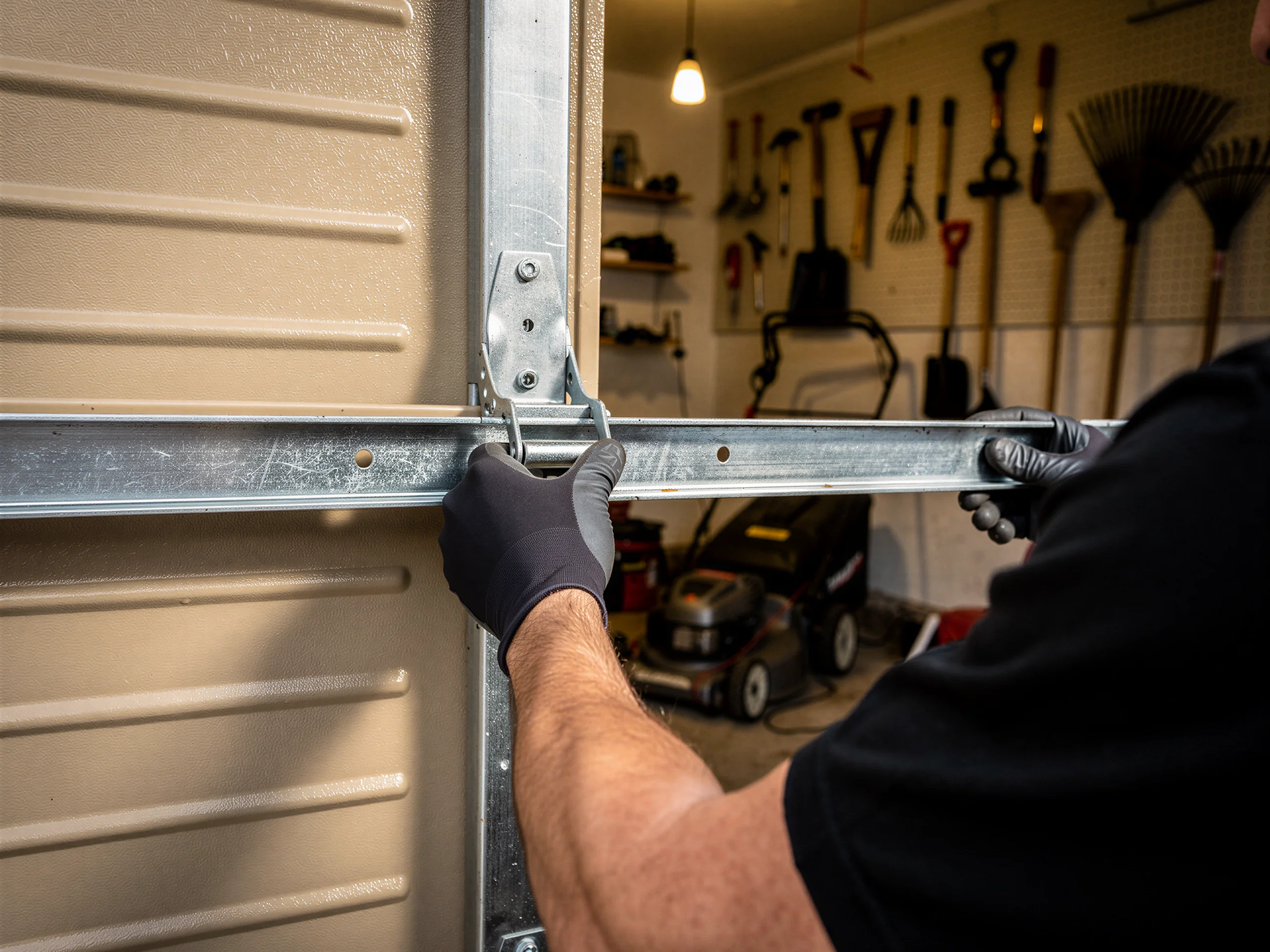
Garage Door Repair
Rio del Mar homes date to the early 1970s, and at a $150,313 median income the repair-vs-replace math looks different than it does elsewhere in the service area. Learn more →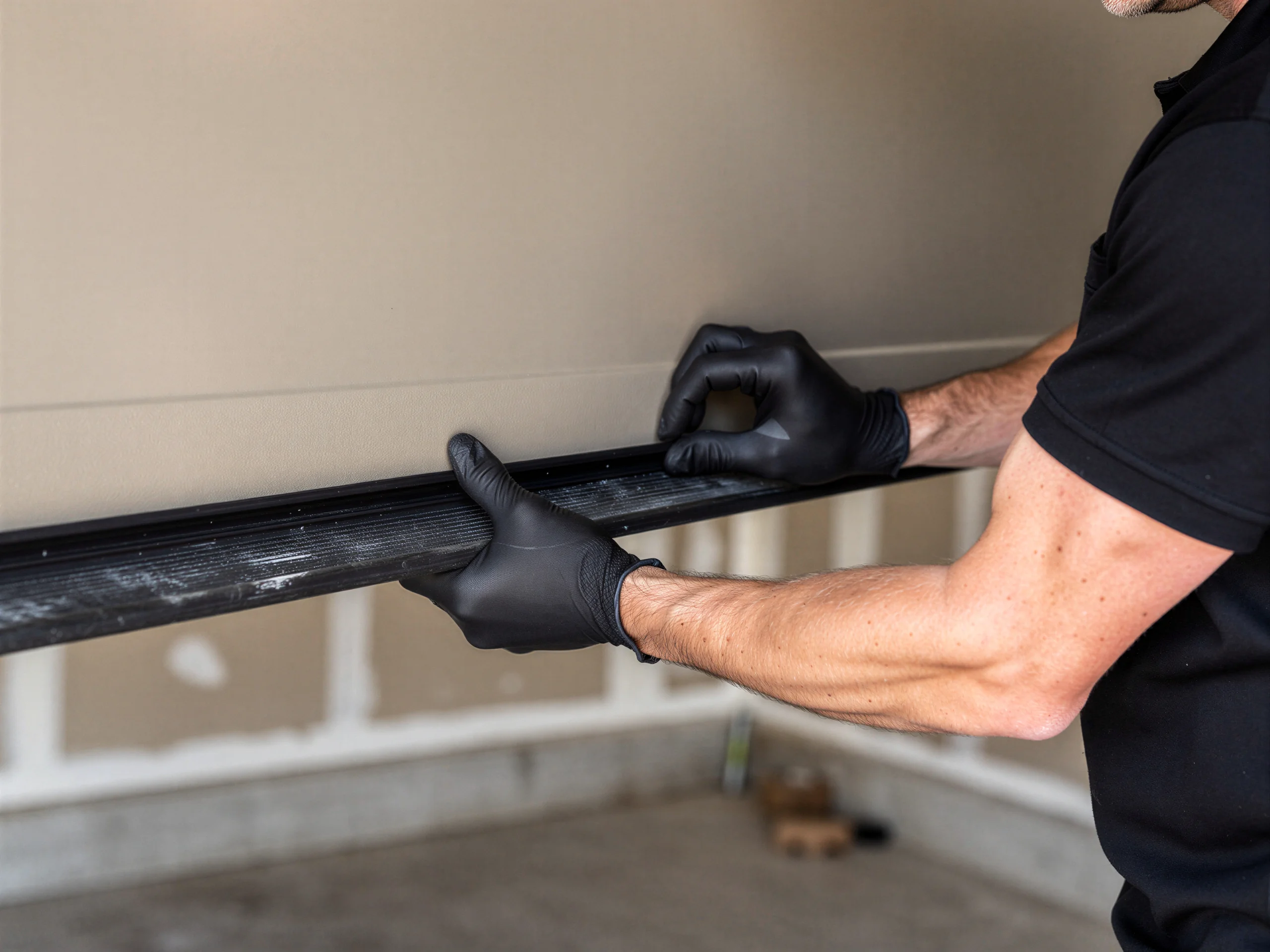
Garage Door Service
Rio del Mar homes median out at 1973 build - a different hardware generation than the rest of the Santa Cruz service area. Learn more →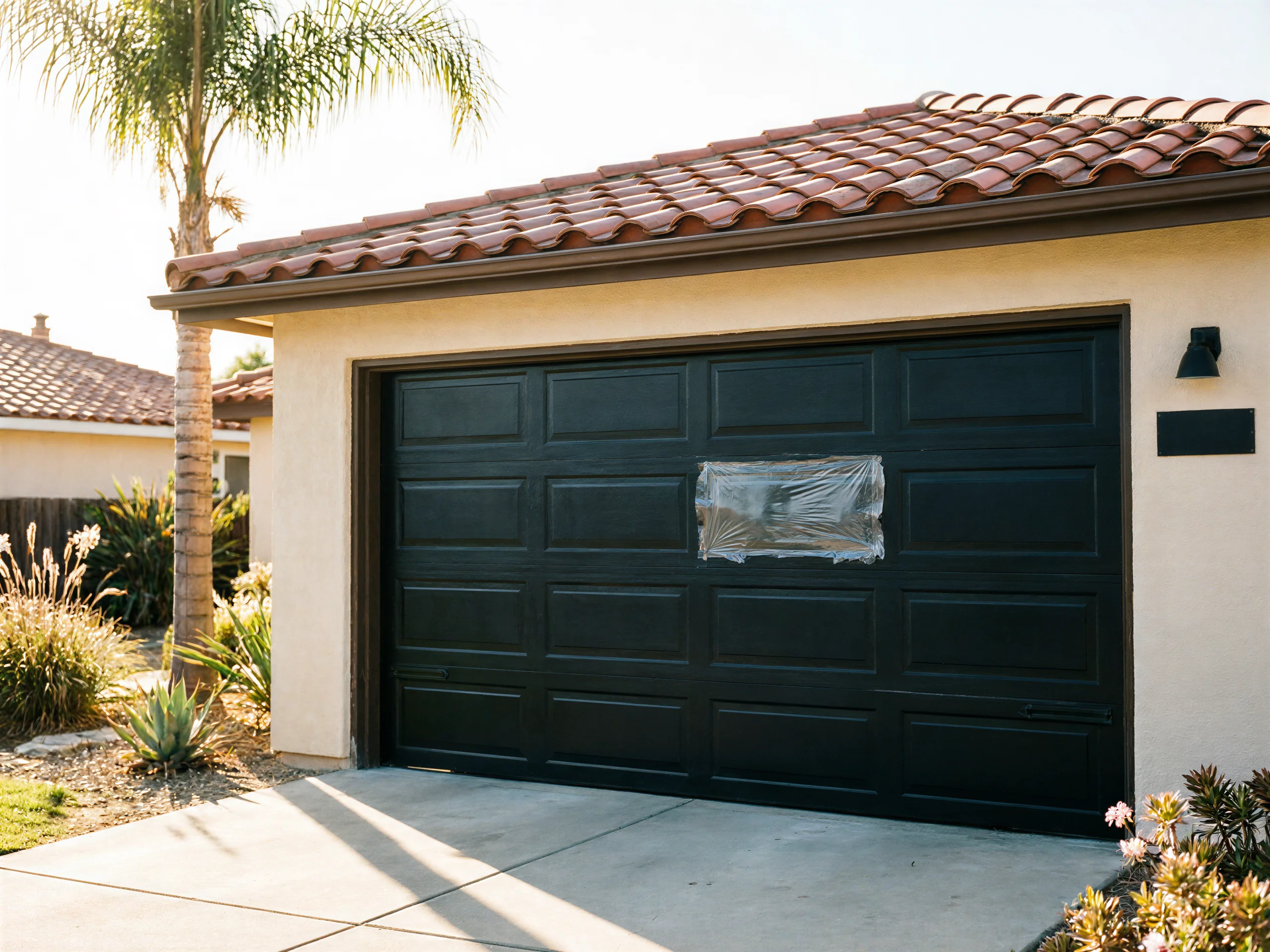
New Door Installation
Rio del Mar homes mostly date to the early 1970s, which means original steel doors on hardware nobody stocks. Learn more →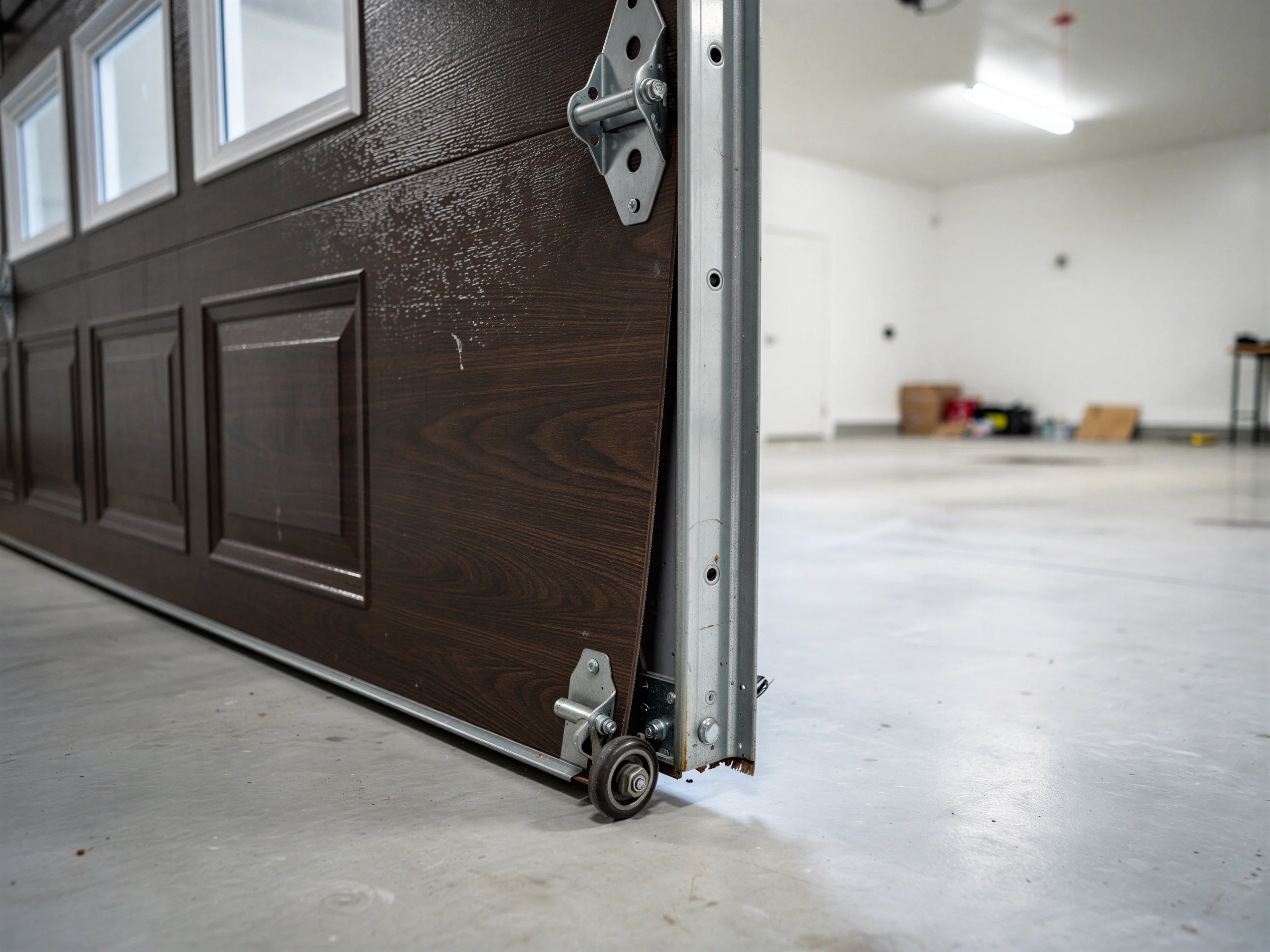
Off Track Repair
Rio del Mar homes date mostly to 1973, with steel sectional doors on aging track hardware. Learn more →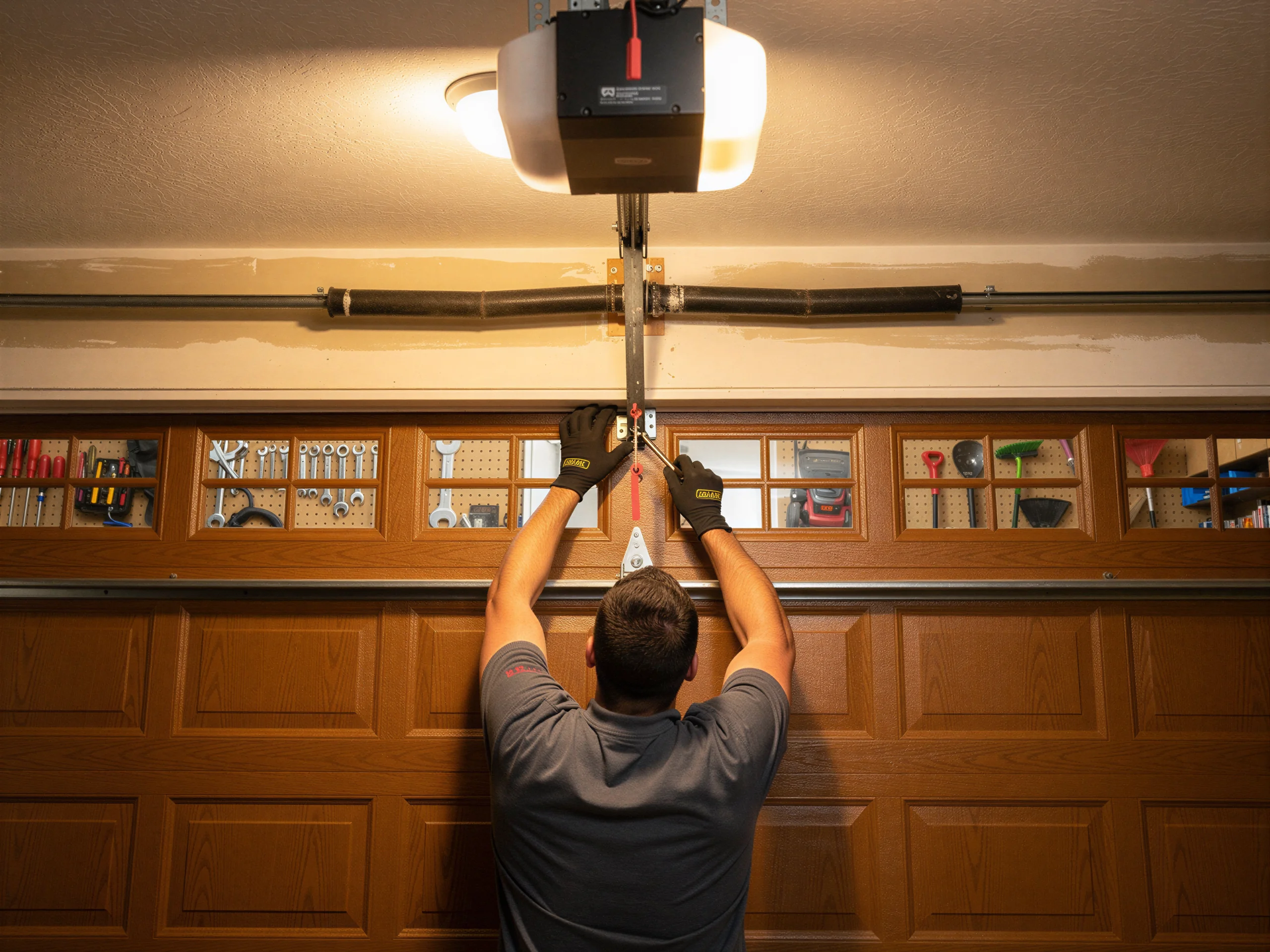
Opener Installation
Rio del Mar homes mostly went up in the early 1970s with builder-grade openers long since retired. Learn more →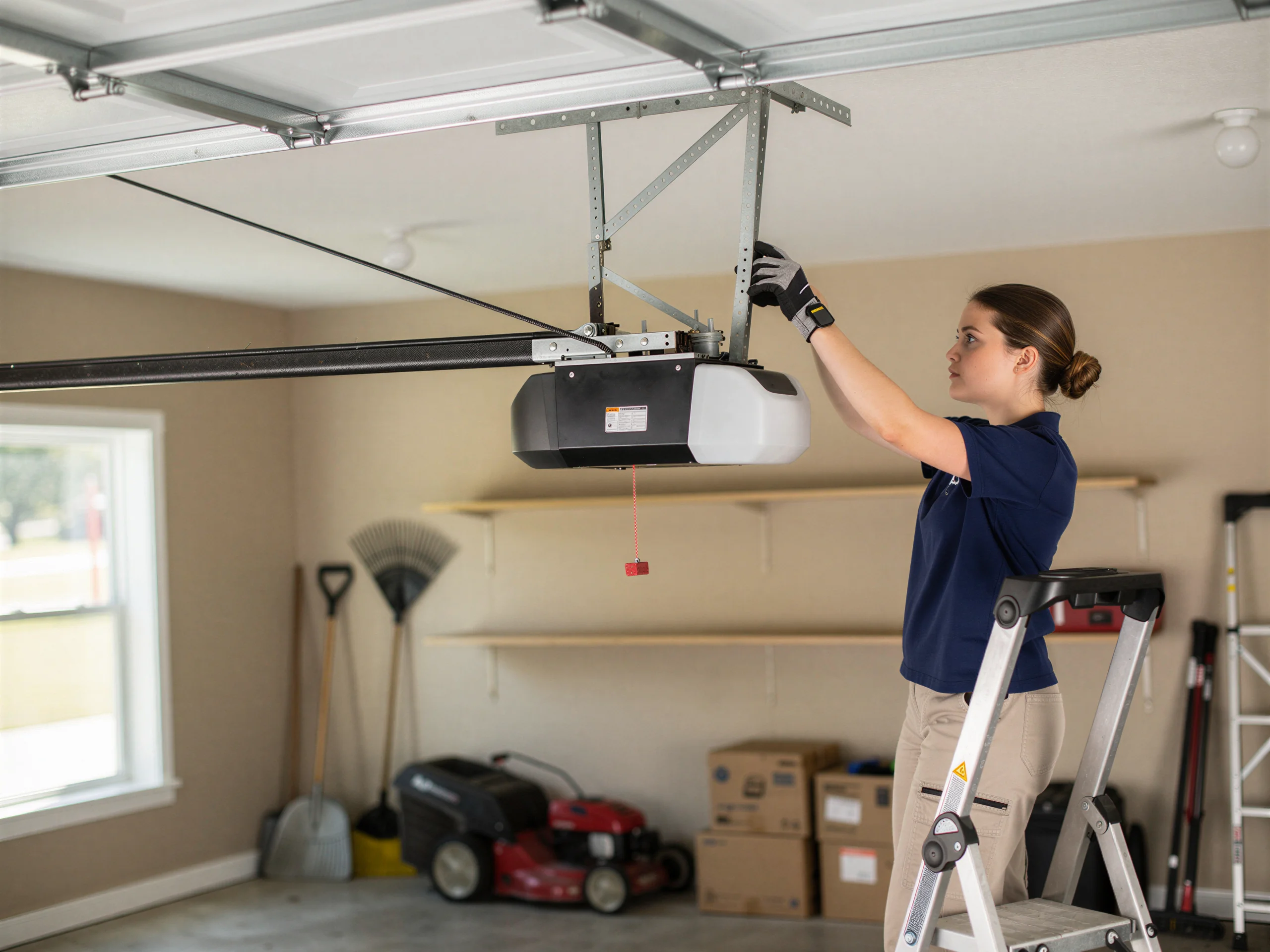
Opener Repair
Eight miles from our Santa Cruz shop, Rio del Mar's early-70s houses run openers that are older than the warranties on most repair parts. Learn more →Ready when you are
Need a garage door sorted in Santa Cruz?
Santa Cruz Garage Door Pros repairs and installs garage doors, springs and openers in Santa Cruz, CA and the surrounding area.